There is a deadline in Malaysian financial services that most international brands have not registered, and it expires in a few months. Bank Negara Malaysia published its Digital Insurer and Takaful Operator framework, known as DITO, in July 2024, opening a two-year application window running from January 2025 through December 31, 2026. According to ICLG's Malaysia fintech guide, that window closes at the end of this year.
What DITO is for
The framework creates a route for digital-first insurance and takaful operators to enter the Malaysian market with a licence designed around their model, rather than forcing them through requirements built for traditional branch-based insurers. Takaful is the Sharia-compliant equivalent of conventional insurance, and its inclusion is deliberate in a market where Islamic finance is central rather than niche.
Licensing windows of this kind do not stay open indefinitely, and they rarely reopen quickly. A brand that misses this one may wait years for another route in.
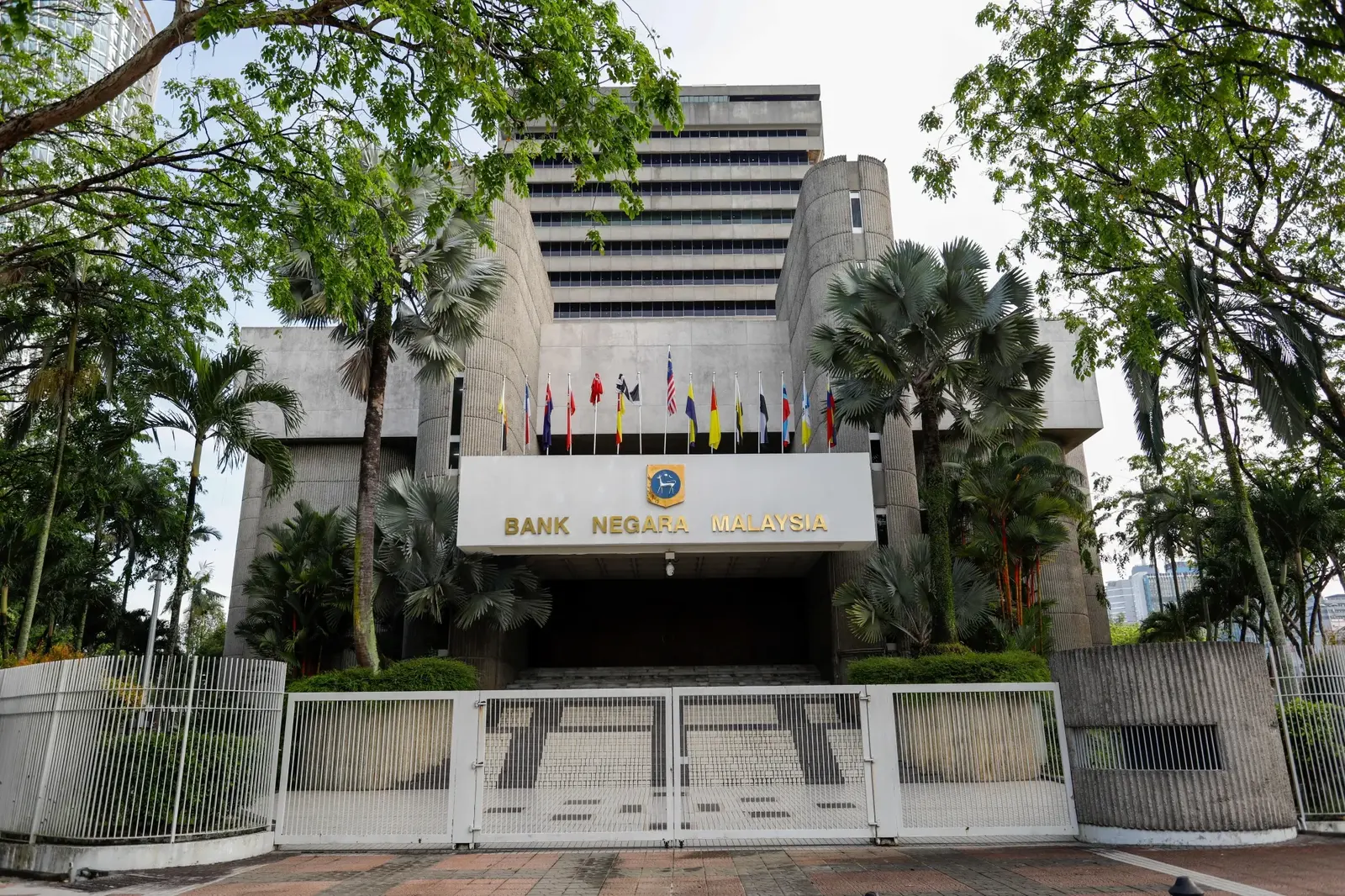
Why Malaysia is worth the effort
Malaysia is one of the world's leading Islamic finance jurisdictions, with Sharia-compliant products embedded throughout its banking, insurance and capital markets in a way that has no equivalent elsewhere in ASEAN. That is not a compliance detail. For brands targeting Malaysia's Muslim-majority consumer base, Islamic finance compliance is a product strategy requirement that determines whether much of the market considers you at all.
The market has already shown what works. Aeon Bank, the first Islamic digital bank to launch in Malaysia, opened in May 2024 and has since partnered with Zurich Malaysia for inclusive takaful products and with Visa for Sharia-compliant digital payments. The template of a digital-first, Sharia-compliant, partnership-led model is proven.
The payments dimension
Malaysia's second relevant development is infrastructure. The country participates in Project Nexus, which will create direct instant payment linkage between the Malaysian DuitNow system and equivalents in Singapore, Thailand, Indonesia and the Philippines.
For an insurer or fintech, that matters practically. Premium collection, claims payout and cross-border servicing all get simpler as regional rails connect, which improves the unit economics of a Malaysian operation serving regional customers.
In Malaysia, Islamic finance compliance is not a regulatory checkbox. It is a product strategy requirement that decides whether most of the market considers you at all.
Takaful, explained
Takaful is the Islamic alternative to conventional insurance. Instead of buying a policy from a company that profits from the difference between premiums and claims, participants contribute to a shared fund on the basis of mutual help, and claims are paid from that fund. The operator manages the fund for a fee or a share of investment returns, under models such as wakalah, an agency arrangement, or mudarabah, a profit-sharing arrangement. Investments must avoid interest and activities prohibited under Islamic law, and each operator has a Sharia committee that approves its products.
Malaysia has one of the most developed takaful markets in the world, with dedicated laws, a central Sharia advisory council at Bank Negara Malaysia and a large base of customers who prefer Sharia-compliant products.
How Malaysia licenses digital financial institutions
Malaysia has a track record of opening licensing windows for new types of institution. In 2022 Bank Negara Malaysia awarded five digital bank licences after a competitive application process, and those banks began operating in stages over the following years. The digital insurer and takaful framework follows a similar approach: a defined application window, a foundational period with lighter requirements while the business proves itself, and full requirements once it is established. Insurers and takaful operators are regulated under the Financial Services Act 2013 and the Islamic Financial Services Act 2013 respectively.
What a strong application needs
Regulators assessing applications for new digital licences typically look for a credible business plan with realistic growth and loss projections, sufficient capital to absorb losses during the early years, an experienced board and management team, robust technology and cyber security, a clear approach to treating customers fairly and, for takaful, a qualified Sharia governance structure. A plan to serve underserved segments, such as gig workers, small businesses or lower-income households, often strengthens an application because it supports the regulator's inclusion goals.
Why distribution matters as much as the licence
Holding a licence does not bring customers. Digital insurers in other markets have found that selling directly online is expensive, and many rely on partnerships with banks, e-commerce platforms, ride-hailing apps and telecom operators to reach customers at the moment they need cover. In Malaysia, the digital banks and large consumer platforms are natural partners for embedded insurance and takaful products.
Risks for new entrants
- Claims experience can be worse than expected in new customer segments.
- Customer acquisition costs online can exceed projections.
- Sharia compliance requires specialist expertise that is in demand.
- Competition from established insurers that are digitising their own operations.
- Regulatory expectations rise as the business grows out of its foundational phase.
Options after the window closes
Firms that do not apply in time can still enter Malaysia by partnering with licensed insurers and takaful operators, acting as technology providers or distributors, or acquiring stakes in existing players. These routes give less control than holding a licence but can be faster and require less capital. Choosing between them depends on how central Malaysia is to a firm's regional strategy.
Why the deadline matters now
Preparing a licence application takes months: setting up a local entity, raising capital, appointing a board and key officers, building systems and drafting policies on risk, compliance and Sharia governance. Firms that start late often find they cannot assemble a complete, credible application before the window closes. For any brand with protection products and an interest in Malaysia, the practical question this year is not whether the market is attractive, but whether there is still time to prepare properly.
What applicants should be doing now
With months remaining, any firm seriously considering DITO should already be structuring a Malaysian entity, assembling capital and governance documentation, building Sharia compliance capability into the product rather than bolting it on, and engaging advisers who have dealt with Bank Negara Malaysia directly. Incomplete applications are the most common cause of delay in any licensing process, and there is no time left to absorb a resubmission cycle.
Firms that miss the window are not locked out of Malaysia entirely, but they will be looking at partnership or distribution arrangements with existing licensed operators rather than holding their own licence. That is a materially weaker strategic position.
This is exactly where SpinDepth helps, guiding financial brands on timing, positioning and credibility as they enter Malaysia and the wider region.
FAQs
Q1: When does the DITO window close?
A1: December 31, 2026. The two-year application window opened in January 2025 under a framework published in July 2024, according to ICLG.
Q2: What does DITO cover?
A2: Digital insurance and takaful operators, meaning both conventional and Sharia-compliant digital-first insurers.
Q3: Why does Islamic finance matter in Malaysia?
A3: Malaysia is a leading Islamic finance jurisdiction with Sharia-compliant products embedded across banking, insurance and capital markets, making compliance a product requirement rather than an option.
Q4: What if a firm misses the deadline?
A4: It would likely need to pursue partnership or distribution arrangements with existing licensed operators instead of holding its own licence.
For brands eyeing Malaysia, timing is the whole strategy right now, and that is exactly where SpinDepth helps brands show up.
Source:
Source 1: ICLG, Fintech Laws and Regulations Malaysia
Source 2: Bank for International Settlements, Project Nexus
Source 3: Bank Negara Malaysia
You've finished this story
Read on, send it to someone, or ask about it.