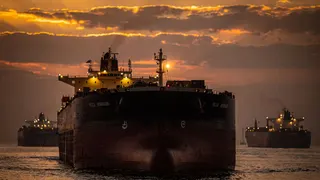
Oil prices have climbed back to levels last seen in May. On 16 October, Brent crude briefly touched 110 dollars a barrel before settling at 109.86 dollars, up 3.72 percent on the day and its highest close since mid May, while US benchmark WTI rose 3.55 percent to 101.41 dollars, as reported by The National. For the week, Brent gained nearly 5 percent and WTI more than 10 percent.
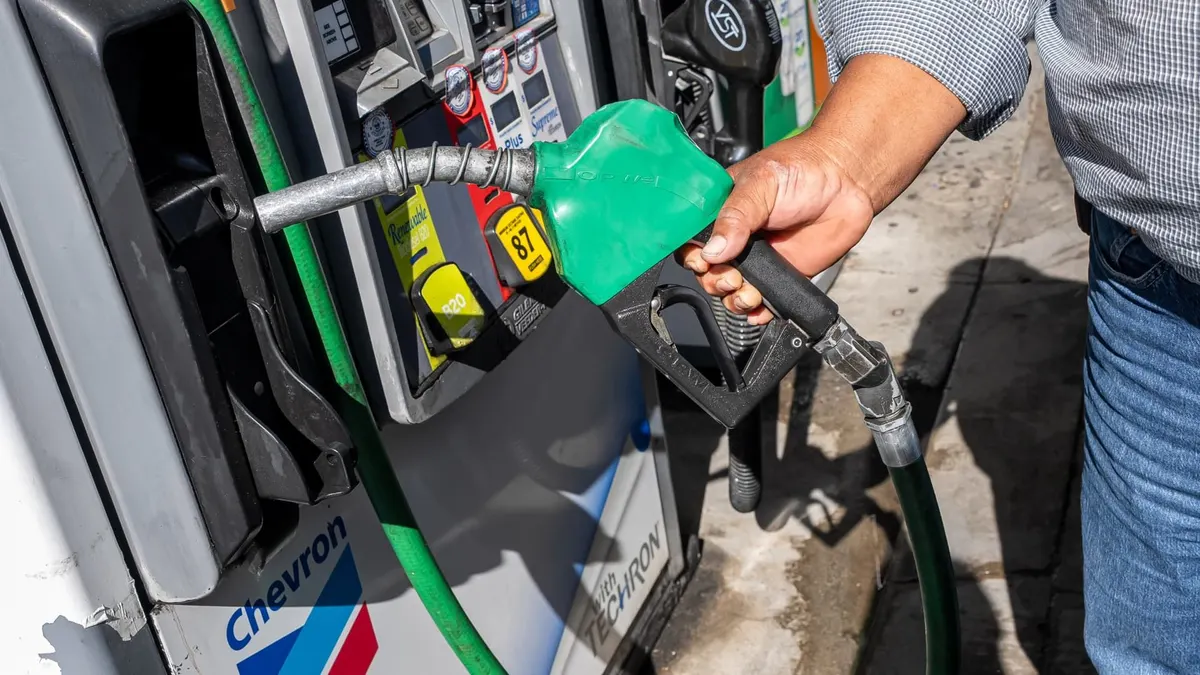
Behind the crude headline is an even tighter market for diesel, the fuel that powers trucks, ships, fishing boats, farm machinery and generators across Asia. Wholesale diesel prices topped 200 dollars a barrel in Singapore, Asia's main fuel trading hub, and the International Energy Agency has stepped up emergency releases to ease the squeeze. For Southeast Asia, where diesel keeps the real economy moving, that is the number to watch.
Why oil jumped again
The latest rise came as attacks on energy infrastructure spread. Reports cited Houthi missile and drone strikes on Saudi Arabia, alongside attacks by Russia and Ukraine on each other's energy facilities, including a drone strike that forced a Russian refinery to suspend a crude distillation unit. Each incident tightens supply or raises the risk of further disruption.
The conflict around Iran remains the backdrop. Prices have risen by more than 50 percent since late February, the day before the US Iran war began, according to reports. Disruption around the Strait of Hormuz has already pushed tanker freight rates to records, adding to the cost of getting oil to Asia, as we reported in our analysis of supertanker rates passing 1 million dollars a day.
Bloomberg described the move as oil topping 110 dollars for the first time since May as supply risk grows, as reported in its coverage. Forecasts vary widely, with some bank base cases far below current prices and stress scenarios far above them, depending on how the conflict evolves.
Diesel is the tighter market
Diesel has been squeezed even harder than crude. The IEA reported that wholesale diesel exceeded 200 dollars a barrel in Singapore and reached about 220 dollars in Europe and the United States. Even after easing from those peaks, diesel remains unusually expensive relative to crude.
Several factors explain the squeeze. Refinery outages caused by attacks reduce output of distillate fuels such as diesel and jet fuel. Shipping disruptions make it harder to move fuel between regions. And inventories were already low, leaving little buffer. One analyst cited in reports said depleted diesel stocks are unlikely to recover until the second half of 2027.
Crude prices make headlines, but diesel prices decide what it costs to move food, goods and people across Asia.
The IEA has responded by accelerating emergency stock releases. On 15 October, it announced plans that include more than 20 million barrels of diesel. Releases can ease prices in the short term, but they cannot fix the underlying problems of damaged infrastructure and disrupted trade routes.

What it means for Southeast Asia
Southeast Asia is heavily dependent on diesel. It powers the trucks that carry goods across Indonesia's islands and Thailand's highways, the fishing fleets of the Philippines and Vietnam, and the generators and machinery that keep factories and farms running. When diesel prices rise, the effects spread quickly through transport costs, food prices and business margins.
Governments face difficult choices. Countries that subsidise fuel must spend more to keep pump prices stable, straining budgets already under pressure, as Malaysia acknowledged in its 2027 budget. Countries that pass costs on to consumers see inflation rise and public frustration grow. Either way, higher diesel prices are a heavy burden.
The impact on currencies adds to the pain. Most Southeast Asian economies are net energy importers, so higher fuel costs increase their demand for dollars, weighing on currencies such as the Philippine peso and the Indonesian rupiah that are already under pressure this year.
What businesses should watch
For businesses across the region, the fuel squeeze is a direct cost pressure. Logistics companies, airlines, manufacturers and farmers are among the most exposed, and many will try to pass higher costs on to customers, adding to inflation.
The key points to watch include:
- Singapore diesel prices, the benchmark for much of Asia's fuel trade.
- IEA emergency releases and whether they ease the diesel squeeze.
- Attacks on energy infrastructure that could tighten supply further.
- Government subsidy decisions and fuel price adjustments across the region.
Central banks are watching too. Higher fuel prices push up inflation, which argues for tighter policy, but they also slow growth. That dilemma is visible across Asia, from the Philippine central bank's rate decisions to the IMF's warnings about energy risks at its Bangkok meetings.
The emergency stock question
Emergency releases are one of the few tools governments have to calm fuel markets quickly. By releasing stored crude and diesel, IEA members can add supply while damaged infrastructure is repaired and shipping routes recover. The IEA's decision to accelerate releases, with a specific focus on diesel, shows how seriously it views the distillate shortage.
But releases have limits. Stocks are finite, and once drawn down they must eventually be rebuilt, which can itself support prices later. Releases also do little to address the root causes of the squeeze, such as attacks on refineries and disruption around key shipping lanes.
For Asian importers, the question is whether enough of the released supply reaches the region. Fuel flows to where prices are highest, and with Europe and the United States also facing high diesel prices, competition for available cargoes will remain intense.
A squeeze that may last
The return of 110 dollar oil and 200 dollar diesel is a reminder that the energy shock from the conflict around Iran is far from over. Attacks on infrastructure, disrupted shipping and low inventories have combined to keep fuel markets tight, and the IEA expects diesel to stay tight into 2027.
For Southeast Asia, the lesson is to prepare for a prolonged period of expensive fuel. Governments, businesses and households that improve efficiency, diversify energy sources and plan for higher costs will cope better than those hoping for a quick return to cheap diesel.
How high did Brent crude go on 16 October 2026?
Brent briefly touched 110 dollars a barrel and settled at 109.86 dollars, its highest close since mid May.
What happened to WTI?
WTI rose 3.55 percent to 101.41 dollars, topping 100 dollars for the first time in nearly a month.
Why did oil prices rise?
Reports cited Houthi strikes on Saudi Arabia and attacks on energy infrastructure in Russia and Ukraine, against the backdrop of the conflict around Iran.
How expensive is diesel in Asia?
The IEA reported wholesale diesel above 200 dollars a barrel in Singapore, Asia's main fuel trading hub.
Why is diesel tighter than crude?
Refinery outages from attacks, shipping disruptions and low inventories have reduced supplies of diesel and other distillates.
What has the IEA done?
On 15 October 2026, the IEA announced accelerated emergency stock releases, including more than 20 million barrels of diesel.
How long will diesel stay expensive?
One analyst said depleted diesel inventories are unlikely to recover until the second half of 2027, and the IEA expects the market to stay tight into 2027.
How does this affect Southeast Asia?
Diesel powers trucks, fishing boats, farms and generators across the region, so higher prices raise transport, food and business costs and add to inflation.
How much have oil prices risen since the war began?
Prices have risen by more than 50 percent since late February, the day before the US Iran war began, according to reports.
How do fuel subsidies affect governments?
Countries that subsidise fuel must spend more to keep pump prices stable, straining budgets, while those that do not see higher inflation.
Why does Singapore matter for diesel prices?
Singapore is Asia's main oil trading and refining hub, so its diesel prices serve as a benchmark for much of the region.
How do higher fuel prices affect Asian currencies?
Most Southeast Asian economies import energy, so higher fuel costs increase demand for dollars and weigh on currencies such as the peso and rupiah.
What should businesses do?
Businesses should monitor diesel prices, plan for higher logistics costs, improve fuel efficiency and consider hedging where possible.
What is the difference between Brent and WTI?
Brent is the main international oil benchmark, based on crude from the North Sea, while WTI is the US benchmark. Both rose sharply on 16 October 2026.
Brent at 110 dollars grabs attention, but diesel above 200 dollars is what will shape everyday costs across Asia. The fuel that moves goods, food and people is in short supply, and emergency releases can only do so much while infrastructure is under attack and shipping is disrupted. For Southeast Asia, the energy shock is settling in for the long haul, and the economies that adapt fastest will feel it least.
Talk to the SpinDepth deskYou've finished this story
Read on, send it to someone, or ask about it.