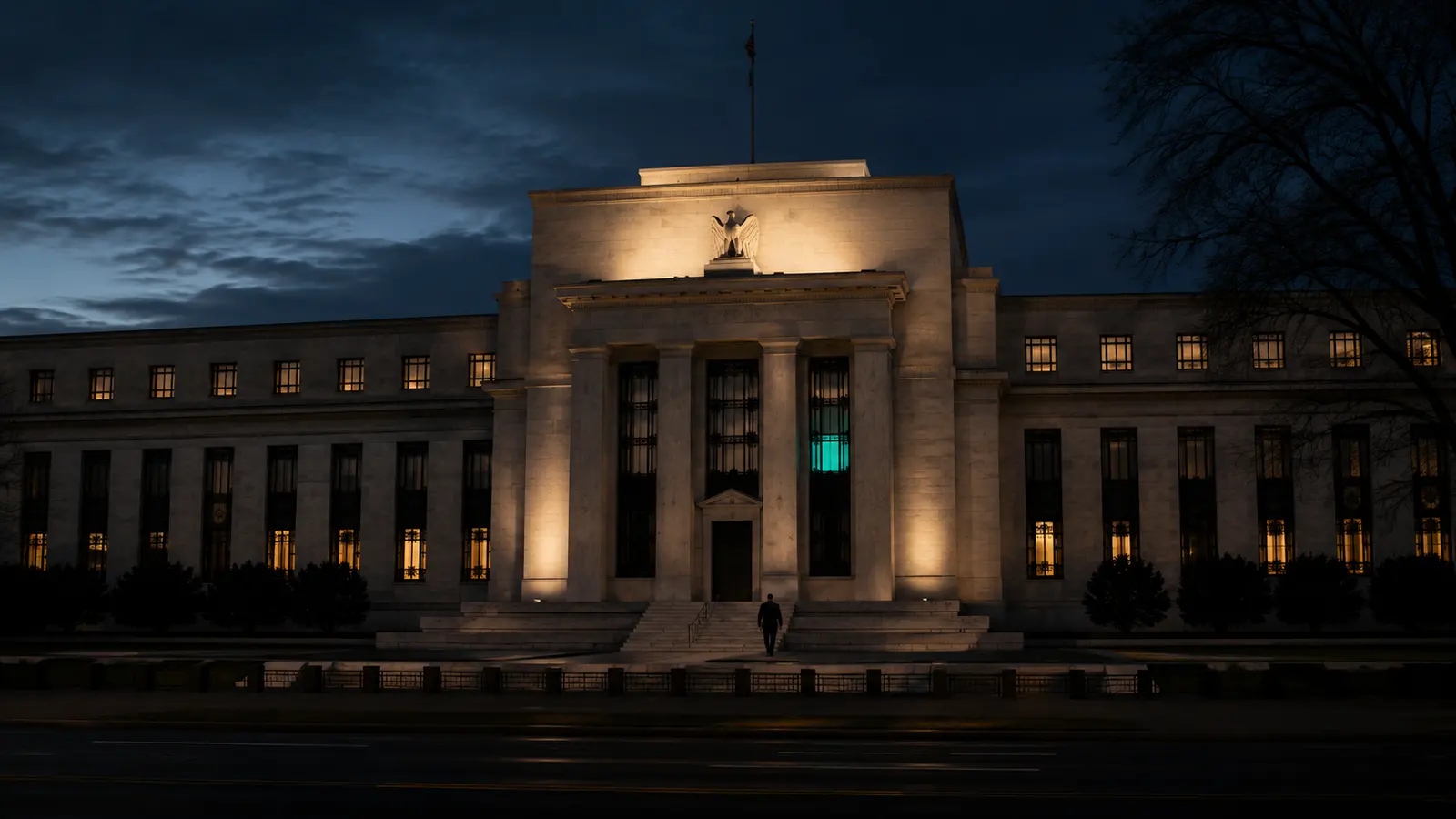

The Philippine peso has never been this weak. It closed at a record low of about P63.06 per dollar last week, according to the Daily Tribune, and the slide has changed the conversation ahead of the Bangko Sentral ng Pilipinas policy meeting on Thursday 22 October.
A few weeks ago, economists were debating whether the central bank would end its tightening cycle. Now they are debating how big the next hike should be. A quarter point increase looks likely, and some voices are raising the possibility of a jumbo half point move if the currency keeps falling. For a country that relies heavily on imported fuel and food, the stakes are high.
Why the peso is falling
The peso is being squeezed from several directions at once. The most important is oil. The conflict involving Iran has kept crude prices high for months, and the Philippines imports nearly all of its oil, so every rise in fuel prices increases the amount of dollars the country needs to pay for imports. That steady demand for dollars weighs on the currency.
The dollar itself has been strong, supported by higher US bond yields, which pull global capital toward American assets. When US yields rise, emerging market currencies typically weaken, and the peso has not been spared. Regional stress has added to the pressure, with the sharp sell off in Indonesian stocks last week reminding investors how quickly sentiment toward Southeast Asia can turn.
There is also a domestic element. Inflation has been sticky, partly because higher fuel and transport costs feed into the prices of almost everything, and markets are watching to see whether the central bank will act decisively enough to keep inflation expectations anchored. A currency that looks undefended can attract speculative selling.
What the central bank is expected to do
The Bangko Sentral has already raised rates three times in a row, taking its policy rate to 5.00 percent with a 25 basis point hike in August, a move it described as preemptive. Most economists expect it to continue. Standard Chartered expects a quarter point increase to 5.25 percent this month, as noted by FXStreet, and Oxford Economics shares that view.
The debate is about whether a quarter point is enough. BPI's chief economist, Emilio Neri Jr., said the peso's slide strengthens the case for additional hikes at the central bank's remaining two meetings this year. Reports have raised the prospect of a jumbo 50 basis point move if depreciation continues, although that remains a risk scenario rather than the consensus forecast.
A central bank defends a currency with credibility first and interest rates second, and markets test both at moments like this.
Not everyone sees a long path ahead. Some economists, as reported by the Inquirer, expect the central bank to end its tightening cycle after Thursday's meeting, arguing that a final hike combined with intervention in the currency market could be enough to stabilise the peso without damaging growth.
Winners and losers of a weak peso
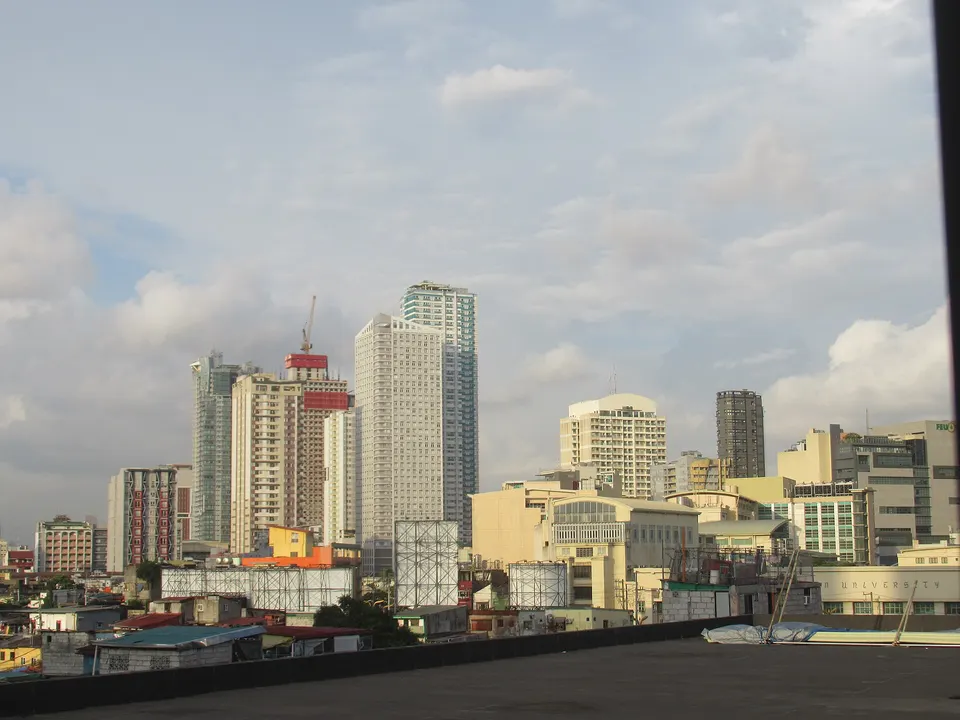
A weaker peso is not bad news for everyone. Millions of Filipino families depend on remittances from relatives working overseas, and every dollar sent home now buys more pesos. For those households, the record low brings a welcome boost in purchasing power, at least until higher import prices catch up with them.
Exporters and business process outsourcing firms, which earn in dollars but pay many costs in pesos, also benefit. Their revenues rise in peso terms while their local costs stay the same, which improves margins and can support hiring.
The losers are importers and consumers. Fuel, food and many manufactured goods become more expensive, and companies with dollar debts face higher repayment costs. For ordinary Filipinos, the most visible effect will be at the petrol pump and in the price of rice and other staples, which is exactly why the central bank is under pressure to act.
What it means for traders and businesses
For currency traders, the coming days are a classic event risk setup. The decision on 22 October could move USD PHP sharply, especially if the central bank surprises with a larger hike than expected or signals that its tightening cycle is over. Traders will also watch for signs of direct intervention, which the central bank uses to smooth excessive moves.
Businesses with exposure to the peso should consider practical steps:
- Review hedging for dollar costs and dollar debts, as volatility may stay high.
- Plan for higher import costs, particularly for fuel and imported inputs.
- Watch the 22 October decision and any guidance on future hikes.
- Consider the remittance boost when forecasting consumer demand in the provinces.
We have covered how currency moves ripple through the region, including the Thai baht's slide to a 15 month low, and the pattern is similar across Southeast Asia's oil importing economies. When fuel prices stay high and the dollar stays strong, their currencies come under steady pressure.
How this compares with past peso crises
Record lows sound alarming, but context matters. The peso has weakened gradually rather than collapsing, and the Philippines enters this period with substantial foreign exchange reserves, a healthier banking system and a more credible central bank than it had in past crises. Those buffers give policymakers room to respond without panic.
The key difference from earlier episodes is that today's pressure is largely external. High oil prices, a strong dollar and regional market stress are forces the Philippines cannot control, and they affect many of its neighbours too. That makes the central bank's task one of managing the pace of depreciation rather than stopping it entirely, because fighting global forces head on can drain reserves quickly.
The real danger would be a loss of confidence that turns gradual weakness into a disorderly fall. That is why Thursday's decision matters so much. A clear, credible response can reassure markets that the central bank is in control, while a hesitant one could invite further selling.
The decision that will set the tone
Thursday's meeting is about more than a single rate move. The central bank's statement will tell markets how it sees the balance between fighting inflation, defending the currency and protecting growth. If it signals that more hikes are possible, the peso may stabilise. If it signals the end of tightening while the currency is still weak, traders may test its resolve.
Whatever it decides, the record low of P63 has already changed the economic picture for the Philippines. Fuel and import costs are rising, remittance families are gaining, and businesses are revising their plans for 2027. The central bank's job now is to make sure the adjustment stays orderly.
Why did the Philippine peso hit a record low?
The peso has been pressured by high oil prices linked to the Iran conflict, a strong US dollar supported by higher US yields, regional market stress and sticky domestic inflation. It closed at a record of about P63.06 per dollar in mid October 2026.
When is the next BSP rate decision?
The Bangko Sentral ng Pilipinas holds its next monetary policy meeting on 22 October 2026. Its quiet period began on 15 October.
What is the current BSP policy rate?
The policy rate stands at 5.00 percent after a 25 basis point hike in August 2026, the third consecutive increase.
Will the BSP raise rates in October?
Most economists expect a quarter point hike to 5.25 percent. Standard Chartered and Oxford Economics share that view, while some reports raise the possibility of a larger 50 basis point move if the peso keeps weakening.
What is a jumbo rate hike?
A jumbo hike usually refers to an increase larger than the standard 25 basis points, typically 50 basis points. Central banks use larger moves when they want to send a strong signal, for example to defend a falling currency.
Who benefits from a weak peso?
Families receiving remittances from overseas workers, exporters and business process outsourcing firms benefit because their dollar income converts into more pesos.
Who is hurt by a weak peso?
Importers, consumers and companies with dollar debts are hurt, because fuel, food and imported goods become more expensive and dollar loans cost more to repay.
How can businesses protect themselves?
Businesses can review hedging for dollar costs and debts, plan for higher import prices and watch the central bank's guidance closely for signs of future rate moves.
The peso's record low is a stress test for the Philippine central bank, and Thursday's decision will show how it intends to pass it. The pressures are mostly external, the buffers are stronger than in past crises, and the likely response is another hike. The question is whether the central bank can convince markets it is firmly in control before the currency's slide gathers momentum of its own.
Talk to the SpinDepth deskYou've finished this story
Read on, send it to someone, or ask about it.