 Media & Reputation
 Football
 Culture
 Experiences
 Advertising


The Thai baht has been sliding steadily and the pace has picked up. USD/THB reached 33.640 in late July, its weakest level in 15 months, marking an 8.78 percent decline since February and a 6.95 percent rise in the dollar pair year to date, according to Thailand Business News. The psychological 34.00 level is now within reach.
The rate gap doing most of the work
The dominant driver is the interest rate differential. The Bank of Thailand has held its policy rate at 1 percent, while the US Federal Reserve holds at 3.50 to 3.75 percent, creating a gap of roughly 250 to 275 basis points.
According to Trading Economics, the BOT kept rates unchanged at 1 percent in June to support an uneven recovery, with policymakers signalling monetary policy would remain accommodative as growth stays below potential. Consumer price inflation eased to 2.42 percent in June from 2.79 percent in May, within the BOT's 1 to 3 percent target range, giving room to stay accommodative.
Meanwhile markets are pricing potential further Fed tightening, while Thai rate expectations point to less than a 50 percent chance of any move over the next six months. Yield differentials that wide pull capital toward the dollar.
Oil and trade compound it
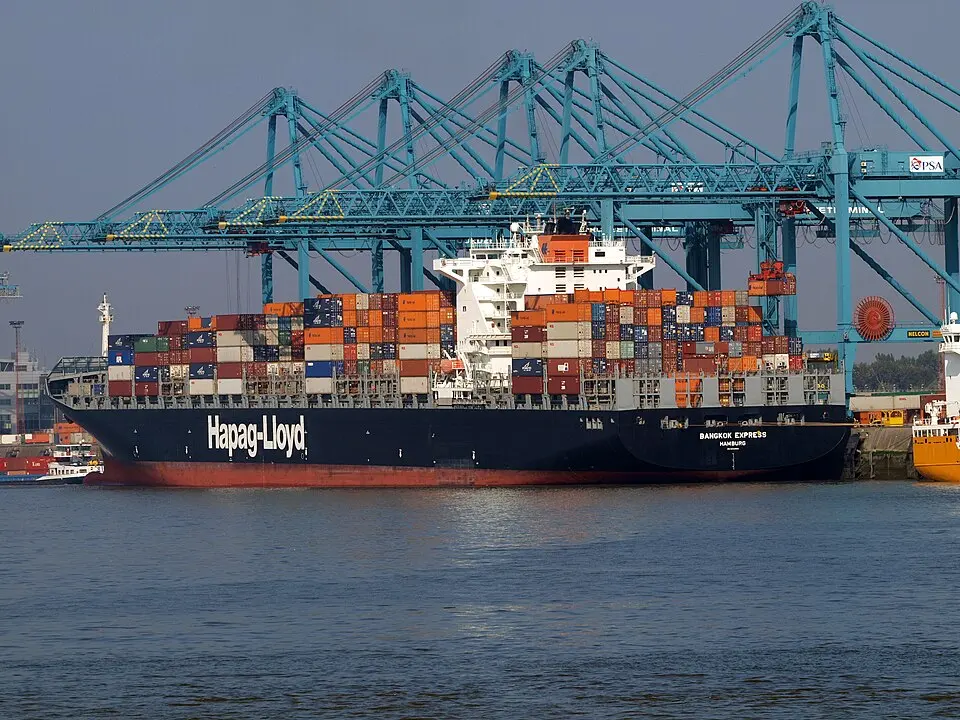
Thailand imports most of its energy, so oil prices feed directly into the currency. Trading Economics noted that rising oil prices amid Middle East tensions added pressure on the baht, as Thailand's reliance on energy imports raised concerns over higher import costs and a weaker external balance. Thailand Business News cited Brent crude near 88.50 dollars and a trade deficit of THB875.3 billion as contributing factors.
Underlying conditions are soft. Trading Economics pointed to elevated household debt, weak consumption, subdued credit growth, slower Chinese demand, a shrinking workforce and softer tourism flows as structural weights on momentum.
Repricing rather than crisis
Thailand Business News was careful to distinguish this from a funding crisis, citing foreign reserves of 279.2 billion dollars and GDP growth around 2.8 percent, concluding the move reflects repricing rather than distress. That distinction matters. A currency falling because of rate differentials and terms of trade is behaving normally. A currency falling because reserves are running out is a different situation entirely.
A 250 to 275 basis point gap between Thai and US rates does not need a crisis to move a currency. It only needs time.
How interest rate gaps move currencies
When one country's interest rates are much higher than another's, investors can earn more by holding assets in the higher-yielding currency. That draws money towards it and away from the lower-yielding one. A gap of 250 basis points or more between US and Thai policy rates makes holding dollars more attractive than holding baht, which helps explain the baht's decline. Rate gaps work over months rather than days; on any single day, news, risk appetite and flows into Thai stocks and bonds can push the baht either way.
The role of tourism and the current account
Thailand's currency depends heavily on its current account, the balance of trade in goods and services plus income flows. Tourism is a major source of foreign currency: when visitor numbers are strong, tourists convert large amounts into baht, supporting the currency. When tourism slows, or when oil import bills rise, the current account weakens and so does that support. Seasonal patterns in tourism and gold trading, in which Thailand is unusually active, also affect the baht at different times of year.
How the Bank of Thailand approaches the baht
The Bank of Thailand does not target a specific exchange rate, but it monitors the baht closely and has said it will step in to smooth excessive volatility. Its main focus is inflation and financial stability, which shape its interest rate decisions. A weaker baht raises import costs and can lift inflation, but with inflation low and growth soft, the central bank has kept rates low to support the economy. The balance between those goals decides how much currency weakness it tolerates.
What a weaker baht means for households and businesses
For exporters and the tourism industry, a weaker baht makes Thai goods and holidays cheaper for foreigners, which can support sales. For importers and households, it raises the cost of fuel, imported goods and overseas education or travel. Businesses that earn in baht but owe debts in dollars face higher repayment costs. Companies often use forward contracts to fix exchange rates for future payments, reducing uncertainty.
Practical steps for people moving money
For people sending money abroad or receiving money from overseas, small exchange rate moves add up on large amounts. Comparing rates between banks and licensed money changers, avoiding converting everything on a single day and using tools such as rate alerts can help. For those receiving money in foreign currencies, a weak baht means more baht per dollar, which can be a good moment to convert a portion.
A checklist for watching USD/THB
- Track Federal Reserve and Bank of Thailand decisions and guidance.
- Watch oil prices, which affect Thailand's import bill.
- Follow monthly tourism and trade data.
- Note statements from the Bank of Thailand about volatility.
- Remember that technical levels such as 34.00 are watched widely but can be broken quickly by news.
Why the baht matters beyond Thailand
The baht is one of the most traded currencies in Southeast Asia, and its moves influence trade and investment decisions across the region. A weaker baht can affect neighbouring economies that compete with Thailand for exports and tourists, and it shapes the costs for regional companies with operations in Thailand. For investors in Thai stocks and bonds, currency moves can add to or erase returns earned in local terms, which is why foreign investors watch the exchange rate as closely as the markets themselves.
What to watch next
Two dates dominate. The Fed's July 29 decision has passed, and the BOT meets on 26 August. Thailand Business News flagged technical resistance near 33.70 with 34.00 in reach, and 50-day moving average support around 32.98.
A hawkish Fed, sustained high oil or enacted trade tariffs could push USD/THB toward 34.00. Dovish Fed signals, falling oil or improved trade conditions would support a pullback.
What this means for brands
A weaker baht helps exporters and tourism while raising import costs for households and businesses. For financial brands serving Thai audiences, the currency is one of the most searched topics of the moment, and explaining it accurately builds authority. This is exactly where SpinDepth helps.
FAQs
Q1: How weak is the baht?
A1: USD/THB reached 33.640 in late July, a 15-month low and an 8.78 percent decline since February, according to Thailand Business News.
Q2: What is driving it?
A2: A 250 to 275 basis point Fed-BOT rate gap, rising oil prices, and a THB875.3 billion trade deficit.
Q3: Is this a crisis?
A3: Analysts describe it as repricing rather than crisis, citing 279.2 billion dollars in reserves and around 2.8 percent GDP growth.
Q4: When does the Bank of Thailand next meet?
A4: 26 August 2026, with the policy rate currently at 1 percent.
For brands serving Thai audiences, currency clarity is authority, and that is exactly where SpinDepth helps brands show up.
Source:
Source 1: Thailand Business News, Why Is the Thai Baht So Weak in 2026
Source 2: Trading Economics, Thai Baht
Source 3: Thai Examiner, Shift in the Thai economy sees the lowest baht value in 15 months
You've finished this story
Read on, send it to someone, or ask about it.