The Philippines has become one of Southeast Asia's most competitive digital banking markets, and the battle is moving from savings rates to everyday life. In October, two players made telling moves. GoTyme Bank promoted its cross border remittance features ahead of the holiday season, as reported by Philstar, while Tonik added mobile load, telco promos and game credits directly inside its banking app.
The common thread is a simple idea: a bank that handles a customer's everyday money, from topping up a phone to sending pesos home from abroad, earns more loyalty and more revenue than one that simply holds savings. In a market where e-wallets such as GCash and Maya already dominate daily payments, digital banks are fighting to become part of that routine.
GoTyme bets on remittances
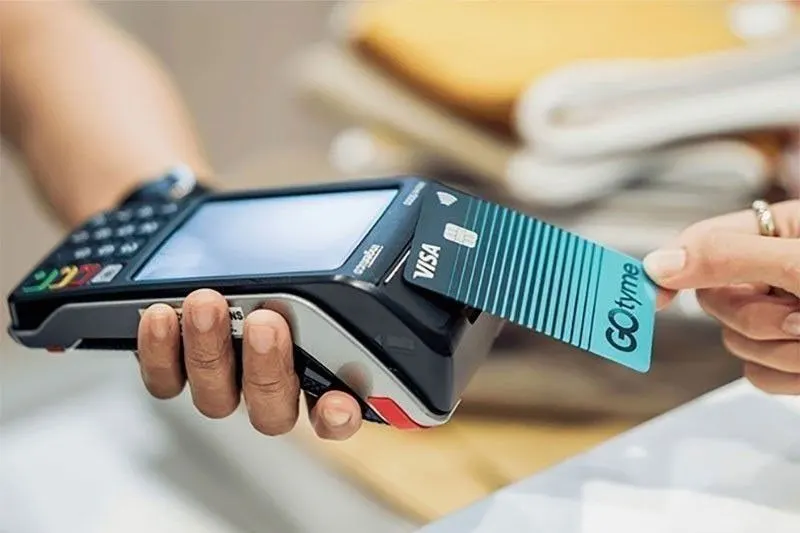
Remittances are the lifeblood of millions of Filipino families, with overseas workers sending billions of dollars home every year. GoTyme has positioned itself to capture both sides of that flow. In November 2025, it became the first Wise Platform partner in the Philippines, allowing customers to receive money from more than 11,000 banks in 23 currencies.
The bank later added an outbound Send Money Abroad service, reported in September 2026 to cover more than 200 countries and territories, powered by Wise's infrastructure. Before confirming a transfer, the app shows the fees, exchange rate, estimated arrival time and the amount the recipient will receive, a level of transparency that traditional remittance channels have not always offered.
The results so far are encouraging for the bank. GoTyme reported that unique users of its international payments feature rose more than 85 percent since partnering with Wise. With the holiday season approaching, when remittances typically peak, the bank is pushing to win more of that traffic.
Tonik moves into daily spending
Tonik is taking a different route into everyday money. On 12 October, it launched mobile load, telco promos and mobile game credits inside its app, letting customers buy load for themselves or anyone else simply by entering a mobile number, as reported by the Manila Times.
Buying load is one of the most frequent financial actions for many Filipinos, and it has long been a strength of e-wallets. By offering it inside a bank app, Tonik hopes to bring customers back to the app more often, deepening engagement and creating opportunities to offer savings, loans and other products.
In a market built on mobile wallets, a digital bank wins by becoming part of the small, daily habits, not just the big decisions.
Tonik enters this push from a position of relative strength. In May 2026, it reported positive cash net income after all costs in the first quarter, which it said made it the first standalone digital bank in the Philippines to achieve that milestone, according to the Manila Times.
Why everyday money matters
Digital banks face a fundamental challenge: attracting deposits is easier than building a profitable relationship. High savings rates can win customers, but they are expensive and customers may leave when rates fall. Everyday services such as payments, load and remittances create regular engagement and fee income, making customers more valuable and more loyal.
The Philippines is a particularly competitive market for this strategy. GCash and Maya have built enormous user bases around everyday payments, and the GCash parent's record IPO this month underlines the value investors place on owning that daily relationship. Digital banks must offer something compelling to win a place on customers' phones.
The key implications for the market include:
- Digital banks are expanding into payments, load and remittances to deepen engagement.
- Partnerships with global firms such as Wise accelerate cross border capabilities.
- Profitability is becoming a key measure of success for digital banks.
- Competition with dominant e-wallets is pushing innovation and better pricing for customers.
We covered the broader landscape in our report on the Philippines' seven digital banks, a market that has become one of the most crowded in the region.
The remittance opportunity
Remittances offer digital banks a particularly attractive opportunity. Overseas Filipinos sent home about 3.03 billion dollars in cash remittances in August alone, even as growth slowed to one of its weakest rates in years. Capturing even a small share of those flows can provide significant volume, and receiving remittances directly into a bank account creates a natural opportunity to offer savings and other products.
Competition for remittances is intense, involving traditional banks, remittance companies, e-wallets and increasingly stablecoin based services. Digital banks that offer transparent pricing, fast delivery and an easy experience on both ends of the transfer can win share, especially among younger, digitally savvy migrants.
We examined the latest remittance trends in our report on Filipino remittances growing at their slowest pace in four years.
What regulators are watching
The Bangko Sentral ng Pilipinas has encouraged digital banks to compete, but it is also watching closely. It has pushed banks and e-wallets to keep transfer fees fair, to strengthen cybersecurity and to protect consumers from scams. As digital banks add more everyday services, they take on more of the risks that come with them, from fraud to operational outages.
Remittances bring specific obligations. Banks handling cross border transfers must apply anti money laundering checks and comply with rules on foreign exchange, while ensuring customers understand fees and exchange rates. Partnerships with global firms such as Wise help, but responsibility for compliance remains with the bank.
For the market as a whole, the regulator's goal is a competitive but safe system in which digital banks expand financial inclusion without creating new vulnerabilities. That balance will shape how quickly banks such as GoTyme and Tonik can roll out new services.
The race for daily relevance
The Philippine digital banking race is entering a new phase. Having attracted customers with high rates and slick apps, banks such as GoTyme and Tonik are now competing to become part of everyday financial life, from phone load to cross border remittances.
For Filipino consumers, the competition brings more choice, better pricing and more convenient services. For the banks, the challenge is to turn that convenience into lasting, profitable relationships in a market where e-wallets already hold a powerful position.
What is GoTyme Bank doing on remittances?
GoTyme is promoting its cross border remittance features, including receiving money through Wise Platform and an outbound Send Money Abroad service reported to cover more than 200 countries and territories.
Who owns GoTyme Bank?
GoTyme Bank is a joint venture between the Gokongwei Group and Tyme, a multi country digital banking group.
When did GoTyme partner with Wise?
GoTyme became the first Wise Platform partner in the Philippines in November 2025, allowing customers to receive money from more than 11,000 banks in 23 currencies.
How fast is GoTyme's international payments use growing?
GoTyme reported that unique users of its international payments feature rose more than 85 percent since partnering with Wise.
What did Tonik launch in October 2026?
On 12 October 2026, Tonik launched mobile load, telco promos and mobile game credits inside its app.
Is Tonik profitable?
In May 2026, Tonik reported positive cash net income after all costs in the first quarter, saying it was the first standalone digital bank in the Philippines to achieve that milestone.
Why are digital banks offering everyday services?
Everyday services such as payments, load and remittances create regular engagement and fee income, making customers more valuable and loyal than savings alone.
How do digital banks compete with GCash and Maya?
They offer competitive rates, transparent fees and new everyday features, while trying to win a regular place on customers' phones.
Why are remittances important for Philippine banks?
Overseas Filipinos send billions of dollars home every year, and receiving remittances into a bank account creates opportunities to offer savings and other products.
How much did Filipinos abroad send home in August 2026?
Cash remittances reached about 3.03 billion dollars in August 2026, up about 1.9 percent from a year earlier.
What information does GoTyme show before a transfer?
The app shows the fees, exchange rate, estimated arrival time and the amount the recipient will receive before a transfer is confirmed.
Is the Philippine digital banking market crowded?
Yes. The Philippines has several licensed digital banks competing with e-wallets and traditional banks, making it one of the region's most competitive markets.
What does this mean for consumers?
Consumers benefit from more choice, better pricing and more convenient services as digital banks compete for everyday money.
Philippine digital banks are learning that winning customers is only the first step; keeping them means becoming part of everyday life. GoTyme's push into remittances and Tonik's move into phone load and game credits show how banks are chasing the daily habits that e-wallets have long owned. The winners will be those that combine convenience, transparency and profitability in one of Southeast Asia's most competitive financial markets.
Talk to the SpinDepth deskYou've finished this story
Read on, send it to someone, or ask about it.