
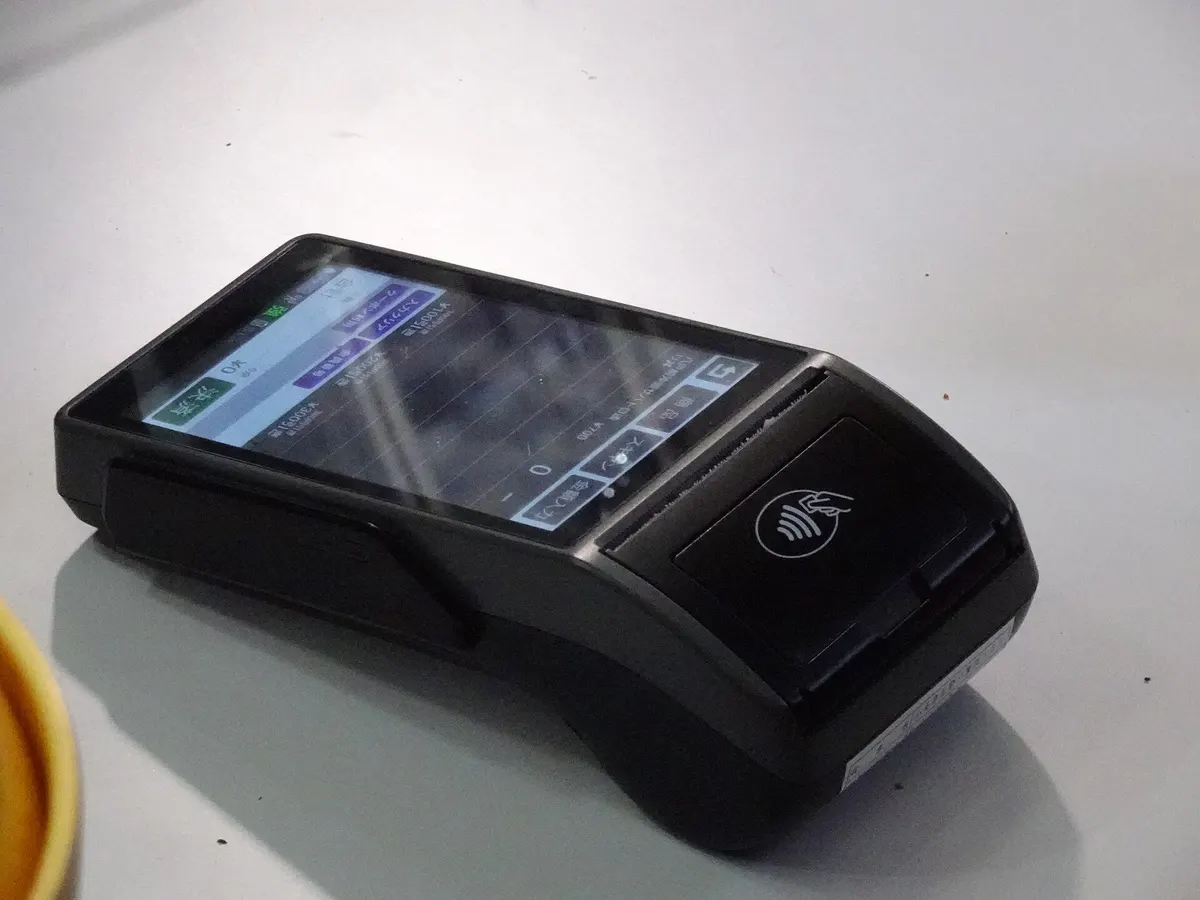
Every year, enormous sums of money go to the wrong place. Some are honest mistakes, a mistyped account number or a confused name. Many more are fraud, payments sent to accounts controlled by scammers who have tricked people into believing they are paying a legitimate business, a relative or a government agency. Singapore fintech IPID is building a network to catch those errors before the money moves, and it has just raised 16 million dollars to expand it.
The Series A round was led by Foundation Capital, with participation from Citigroup and HSBC, two of the world's largest banks, alongside existing investors QED Investors, Monk's Hill Ventures and Quona Capital, according to RootData. Backing from major banks is a strong signal that verifying payees has become a priority for the financial industry.
What IPID does
IPID offers what it describes as a beneficiary verification service. Before a payment is sent, a bank or payment provider can use IPID's API to check whether the account details match the intended recipient's name, and whether there are signs of identity fraud. The payer can then confirm that the account belongs to the person or business they mean to pay.
The concept is similar to confirmation of payee systems introduced in some countries, which check that the name on an account matches what the sender entered. IPID's ambition is to provide that kind of check across borders and across many payment systems, through a single connection.
The company plans to use the new funding to expand its payment data network, extend into US payment rails and develop capabilities related to stablecoins and digital assets. That last point reflects how payments are evolving: as more money moves through stablecoins and tokenised systems, verifying recipients becomes just as important there as in traditional banking.
Why banks care
Payment fraud, especially scams where victims are manipulated into sending money themselves, has become one of the biggest problems in finance. Because the victim authorises the payment, traditional fraud controls often fail to stop it, and banks face growing pressure from regulators and the public to do more.
Verifying payees is one of the most direct defences. If a customer is about to send money to an account whose name does not match the intended recipient, a warning can stop the payment before it leaves. For cross border payments, where checks have historically been weak, such verification could be especially valuable.
The cheapest fraud to fight is the payment that never leaves, which is why checking the recipient first has become so valuable.
Singapore's scam statistics show why the problem matters locally. Police figures for the first half of 2026 showed scam losses of about S$410.6 million, down from a year earlier but still substantial, with investment scams and government impersonation scams among the costliest categories. Tools that verify recipients before money moves are part of the response.
Singapore's fintech funding concentration
IPID's round adds to Singapore's dominance in Southeast Asian fintech investment. Singapore fintechs raised about 1.9 billion dollars in the first nine months of 2026, roughly 83 percent of the 2.3 billion dollars raised across Southeast Asia, according to Tracxn data. Large rounds have dominated, while overall deal numbers have fallen.
In that environment, startups that solve clear problems for large financial institutions are attracting capital. Fraud prevention, compliance and payment infrastructure are areas where banks are willing to pay, and where strategic investment from banks such as Citi and HSBC can also open doors to customers.
We covered the broader funding picture in our report on Southeast Asia's fintech funding tripling, where concentration in a few large deals was a defining theme.
What it means for payments in Asia
As Asia's payment systems become faster and more connected, the window to stop a fraudulent payment shrinks. Instant payments and cross border links mean money can move in seconds, which is convenient for users and for criminals alike. Verification before payment is therefore becoming essential infrastructure.
The implications for banks and payment providers include:
- Payee verification can stop many scams and errors before money moves.
- Cross border verification fills a gap left by domestic only systems.
- Stablecoin and digital asset payments will need similar verification tools.
- Bank investment in fraud startups signals rising regulatory and reputational pressure.
Regulators across the region are pushing banks to strengthen scam defences, from Singapore's shared responsibility framework for phishing losses to Malaysia's and Thailand's measures against mule accounts. Verification services like IPID's fit squarely into that agenda.
The challenge of scale
For IPID, the challenge will be building a network broad enough to be useful. Verification works best when it covers as many banks, accounts and countries as possible. Each new connection makes the service more valuable, but building those connections across different payment systems, regulations and data privacy rules takes time.
Data protection is a particular consideration. Verifying account ownership involves handling sensitive information, and doing so across borders requires careful compliance with each jurisdiction's privacy laws. Getting that right will be essential to winning the trust of banks and regulators.
Stopping fraud at the source
IPID's funding round reflects a simple but powerful idea: the best way to fight payment fraud is to confirm the recipient before the money leaves. With Citi and HSBC among its backers and plans to expand into US rails and stablecoins, the Singapore startup is betting that verification will become a standard part of every payment.
For Asia's banks and payment providers, the message is clear. As money moves faster and across more borders, the tools that check who is on the other end will be as important as the rails that carry the money.

How much did IPID raise?
IPID raised 16 million dollars in a Series A funding round.
Who led IPID's funding round?
The round was led by Foundation Capital, with participation from Citigroup, HSBC and existing investors QED Investors, Monk's Hill Ventures and Quona Capital.
What does IPID do?
IPID provides a beneficiary verification service that checks bank account details, names and identity fraud through a single API, so payers can confirm who owns an account before sending money.
How will IPID use the funding?
IPID plans to expand its payment data network, extend into US payment rails and develop stablecoin and digital asset capabilities.
Why are banks investing in payment verification?
Scams where victims authorise payments themselves are hard to stop with traditional fraud controls, and verifying recipients before payment is one of the most direct defences.
What is confirmation of payee?
Confirmation of payee is a check that the name on a receiving account matches what the sender entered, used in some countries to reduce fraud and mistakes.
How big are scam losses in Singapore?
Police figures showed scam losses of about S$410.6 million in the first half of 2026, down from a year earlier.
How much fintech funding has Singapore attracted in 2026?
Singapore fintechs raised about 1.9 billion dollars in the first nine months of 2026, roughly 83 percent of Southeast Asia's total, according to Tracxn.
Why does verification matter for instant payments?
Instant and cross border payments move money in seconds, leaving little time to stop fraud, so checking the recipient beforehand becomes essential.
Does verification apply to stablecoin payments?
IPID plans to develop capabilities for stablecoins and digital assets, reflecting the need to verify recipients in new payment systems as well.
What challenges does IPID face?
Building a broad network across many banks and countries, and handling sensitive data in line with each jurisdiction's privacy laws, are key challenges.
When was the round announced?
Reports date the announcement to late September and early October 2026.
How does this fit regional anti scam efforts?
Regulators across Southeast Asia are pushing banks to strengthen scam defences, and payee verification complements measures such as mule account crackdowns.
Who are IPID's existing investors?
Existing investors QED Investors, Monk's Hill Ventures and Quona Capital also took part in the Series A round.
Why would Citi and HSBC invest in a startup?
Strategic investment lets large banks support technology they may use themselves, gain insight into new tools and help shape solutions to shared problems such as payment fraud.
Is payee verification required in Singapore?
Singapore has introduced measures such as a shared responsibility framework for phishing losses, and banks are under pressure to strengthen scam defences, which makes verification tools increasingly relevant.
What is a payment API?
An API, or application programming interface, lets one software system request information or services from another. IPID's API lets banks and payment firms check recipient details automatically before sending money.
IPID's 16 million dollar round, backed by two global banks, shows how seriously the financial industry now takes payment fraud. The answer it offers is straightforward: know who you are paying before the money goes. As Asia's payments become faster, more connected and increasingly digital, that simple check could save customers and banks billions, and it may soon be as routine as entering an account number.
Talk to the SpinDepth deskYou've finished this story
Read on, send it to someone, or ask about it.