
Asia is where crypto is actually used. That is the clear message from the latest Chainalysis research, which shows Asian countries filling the upper ranks of its 2026 Global Crypto Adoption Index and Singapore's crypto economy surging. Singapore's crypto activity rose 55.4 percent to about 284 billion dollars in the year to June 2026, driven largely by institutions, as reported by Cointelegraph.
The data paints a picture of two kinds of crypto economy in the region. In Singapore, professional players such as market makers, trading firms and institutional brokers dominate. In countries like the Philippines, Thailand and Vietnam, millions of small transactions show crypto being used by ordinary people. And across the region, stablecoins moving across borders have become one of the most important uses of all.
Singapore's institutional surge
Singapore recorded the region's biggest increase in crypto activity, with value received rising 55.4 percent to about 284 billion dollars in the year to June 2026. Activity on institutional platforms rose about 94 percent to roughly 60 billion dollars, concentrated among market makers, over the counter trading firms and institutional brokerages, according to reporting on the Chainalysis findings.
That growth came even as the wider Central and Southern Asia and Oceania region fell 6.8 percent over the same period, making Singapore's performance stand out. Australia was the region's second largest market at about 173.1 billion dollars.
Singapore's regulatory approach helps explain the pattern. The Monetary Authority of Singapore has tightened rules on retail crypto speculation and required local crypto firms serving overseas clients to obtain licences or leave, while welcoming well regulated institutional activity. The result is a market increasingly dominated by professional players rather than retail traders.
Asia at the top of the adoption index
The Global Crypto Adoption Index measures real world use rather than raw trading volume, adjusting for factors such as income and population. In the 2026 edition, Japan ranked 4th, South Korea 5th, India 6th and Thailand 8th, with China 12th, Indonesia 14th, Australia 15th, Vietnam 18th and the Philippines 19th, as reported by Cointelegraph.
Thailand's place in the top ten is notable. The country has built a regulated crypto market with licensed exchanges and has recently finalised rules for Bitcoin and Ethereum exchange traded funds on its stock exchange. Strong adoption gives that market a solid base of users.
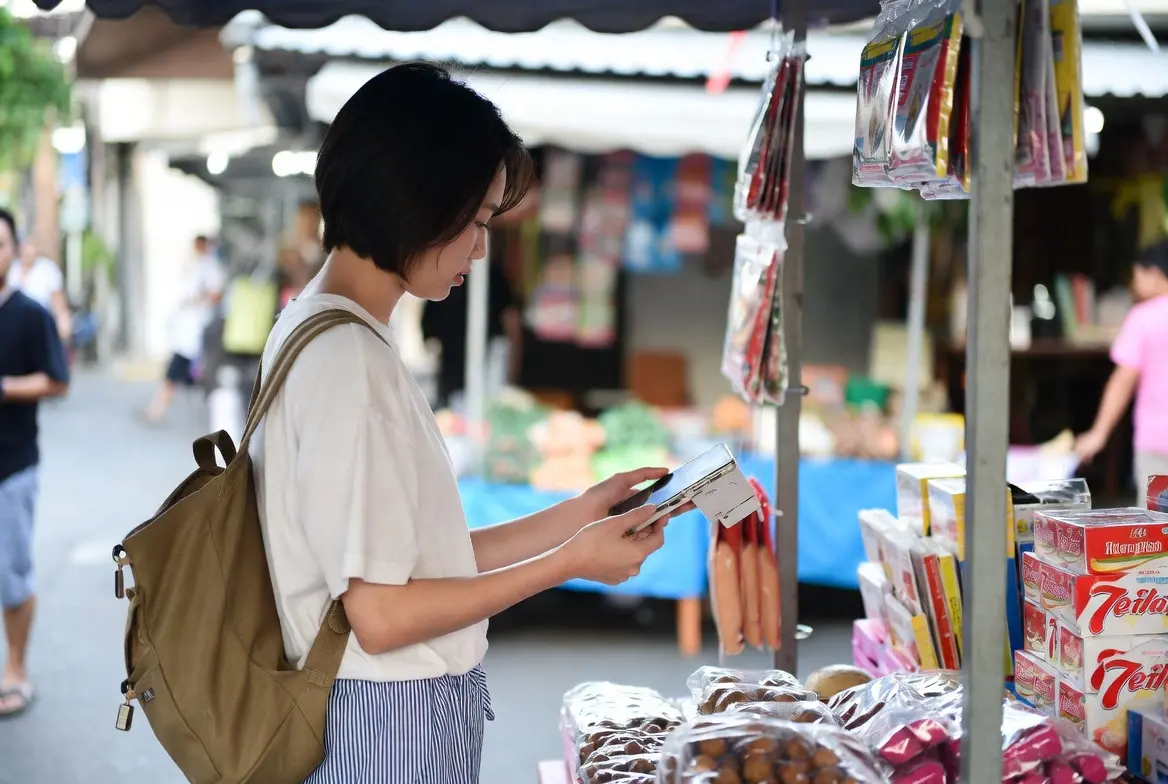
In Singapore, crypto is a professional market; in Manila, Bangkok and Ho Chi Minh City, it is something people use every day.
The Philippines, Thailand and Vietnam stand out for grassroots use. Together they recorded 5.4 million transactions under 10,000 dollars, accounting for 14.4 percent of the global total, even though they represent a small share of global crypto value. That points to widespread use for payments, remittances and small scale saving and investing.

Stablecoins cross borders
One of the most striking findings is the role of stablecoins in cross border activity. In every market examined in the region, cross border stablecoin activity exceeded domestic activity, with an overall ratio of about 3.2 to 1. Stablecoins are being used above all to move value between countries.
That fits what is happening on the ground. Stablecoin backed cards are booming in Southeast Asia, remittance corridors increasingly use digital dollars, and businesses use stablecoins to settle cross border trade. Regulators in Hong Kong, Malaysia, Singapore and Indonesia are building frameworks for stablecoins, while Europe is pushing non compliant tokens off its regulated platforms.
The key implications for the region include the following:
- Singapore is consolidating its role as Asia's institutional crypto hub.
- Grassroots crypto use is strongest in the Philippines, Thailand and Vietnam.
- Stablecoins are primarily a cross border tool, shaping payments and remittances.
- Regulators must balance innovation with consumer protection and anti money laundering.
We covered one driver of that cross border trend in our report on StraitsX taking stablecoin cards to 100 markets with Visa.
Risks behind the growth
High adoption also brings risks. Southeast Asia has been hit by scams, hacks and fraud involving crypto, from tampered hardware wallets sold through regional resellers to large exchange hacks attributed to North Korea. Widespread use among ordinary people means more potential victims when things go wrong.
Regulators are responding in different ways. Some, like Singapore, have focused on restricting retail speculation while encouraging institutions. Others, such as Thailand and Indonesia, are building licensed domestic markets and cracking down on unlicensed offshore platforms. The challenge everywhere is to support useful activity while protecting users and preventing illicit flows.
For businesses, the data suggests opportunity in serving both segments: institutional infrastructure in hubs like Singapore, and accessible, low cost services for everyday users across the region.
What the data means for regulators
For regulators, the data offers both reassurance and warning. The institutional growth in Singapore suggests that clear rules can attract serious, professional activity rather than driving it away. At the same time, the scale of grassroots use in the Philippines, Thailand and Vietnam means that millions of ordinary people are exposed to crypto's risks.
The dominance of cross border stablecoin flows is particularly important. It means that crypto policy in one country cannot be separated from policy in its neighbours, because value moves freely across borders. Cooperation between regulators, such as the stablecoin workstream agreed by Hong Kong and Malaysia, is likely to become more common.
Finally, the data underlines the need for good information. Regulators that understand how crypto is actually used in their markets, through research like Chainalysis's and their own supervision, are better placed to write rules that protect users without stifling useful activity.
Asia's crypto future
The Chainalysis research confirms that Asia sits at the heart of the global crypto economy, both as a centre of institutional activity and as the place where crypto is most widely used by ordinary people. Singapore's 284 billion dollar market and the grassroots adoption across Southeast Asia are two sides of the same story.
As stablecoins increasingly carry value across borders, the region's regulators, banks and fintechs will shape how digital money develops worldwide. The countries that combine clear rules, strong protection and room for innovation will capture the greatest benefits from Asia's leading role in crypto.

How much did Singapore's crypto activity grow?
Singapore's crypto activity rose 55.4 percent to about 284 billion dollars in the year to June 2026, according to reporting on Chainalysis research.
What drove Singapore's growth?
Institutional platforms led the growth, with activity up about 94 percent to roughly 60 billion dollars, concentrated among market makers, OTC firms and institutional brokers.
Where do Asian countries rank in the 2026 adoption index?
Japan ranked 4th, South Korea 5th, India 6th, Thailand 8th, China 12th, Indonesia 14th, Australia 15th, Vietnam 18th and the Philippines 19th.
What does the adoption index measure?
It measures real world crypto use rather than trading volume alone, adjusting for factors such as income and population.
How important are cross border stablecoins in Asia?
Cross border stablecoin activity exceeded domestic activity in every market examined in the region, at an overall ratio of about 3.2 to 1.
Which countries show the most grassroots crypto use?
The Philippines, Thailand and Vietnam recorded 5.4 million transactions under 10,000 dollars, accounting for 14.4 percent of the global total.
Did the wider region grow?
No. The wider Central and Southern Asia and Oceania region fell 6.8 percent over the same period, making Singapore's growth stand out.
How large is Australia's crypto market?
Australia was the region's second largest market at about 173.1 billion dollars.
Why is Singapore's market dominated by institutions?
MAS has restricted retail speculation and required crypto firms serving overseas clients to obtain licences or leave, while welcoming regulated institutional activity.
Why does Thailand rank so high?
Thailand has a regulated crypto market with licensed exchanges and strong everyday use, and it has recently finalised rules for Bitcoin and Ethereum ETFs.
What risks come with high adoption?
High adoption brings more exposure to scams, hacks and fraud, which is why regulators are focused on consumer protection and anti money laundering.
How are stablecoins used in Southeast Asia?
Stablecoins are used for cross border transfers, remittances, card spending and trade settlement, reflecting their role as digital dollars.
What should businesses take from the data?
There are opportunities in institutional infrastructure in hubs like Singapore and in low cost, accessible services for everyday users across the region.
Chainalysis's latest data shows Asia leading the world in how crypto is actually used, from Singapore's institutional boom to millions of small transactions in Manila, Bangkok and Ho Chi Minh City. Stablecoins moving across borders tie it all together. For the region, the opportunity is enormous, and so is the responsibility to make that activity safe, transparent and well regulated as crypto becomes part of everyday finance.
Talk to the SpinDepth deskYou've finished this story
Read on, send it to someone, or ask about it.