Every week, investors across Southeast Asia lose money to trading platforms that were never licensed to serve them. Some are outright scams. Others are real brokers licensed somewhere else, operating in a country where they have no permission and where clients have no protection. The difference between a safe account and a risky one often comes down to a five-minute check that most people skip: is this platform authorised by the regulator in my own country?
This guide explains how to do that check in six markets, what the main regulators do, how to read a broker's global licences, and the red flags that should stop a deposit. Rules and registers change, so always use the regulator's own website rather than a broker's claims or a third-party list.
The golden rule: local licence first
The most important principle is simple. A broker's licence protects you only in the jurisdiction where it applies, and only if your account is with the licensed entity. A firm regulated in Cyprus, the United Kingdom or Australia is not automatically allowed to serve clients in Thailand, Indonesia, Malaysia, the Philippines, Vietnam or Singapore.
Many global brokers operate through several entities, routing clients in different countries to different companies, often including an offshore entity with lighter rules. We explained how that works for large brokers in our guide to Exness's entities and our XTB licence explainer. Your protection depends on the entity named in your client agreement and on whether it is authorised locally.
If a platform is not licensed in your country, you will generally have no access to local complaint channels, compensation schemes or regulator intervention if something goes wrong. That is true even if the brand is famous and well regulated elsewhere.
Regulators publish the tools to check this. Malaysia's Securities Commission Investor Alert List and Singapore's MAS Investor Alert List name entities that are not authorised, while licensee directories confirm who is. Bookmarking these pages takes seconds and can save a great deal.
Thailand: SEC licences and investor alerts
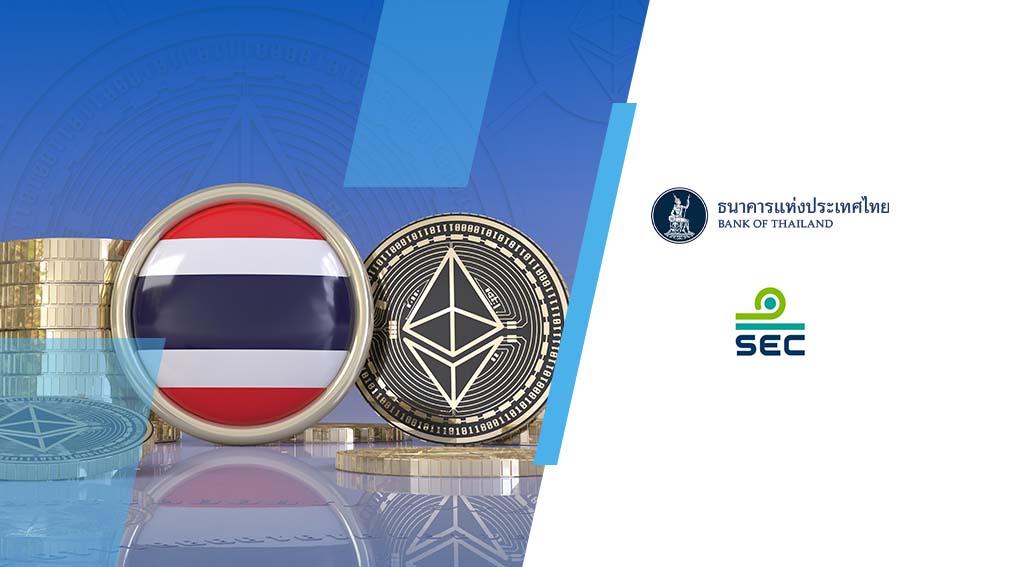
Thailand's Securities and Exchange Commission licenses securities companies, derivatives brokers and digital asset businesses, including crypto exchanges, brokers and dealers. Its website and Check First tools let users confirm whether a firm is licensed and for which activities.
The SEC also publishes investor alerts naming unlicensed platforms that target Thai users, and it has moved to block several offshore crypto exchanges. For forex specifically, leveraged trading through unlicensed foreign platforms carries legal and practical risk, as we explained in our guide to whether forex trading is legal in Thailand.
Licensed digital asset platforms in Thailand include names such as Bitkub, Binance TH and Upbit Thailand, which operate under Thai rules on custody and client money. Our guide to Thailand's crypto exchange licence requirements covers the regime in detail.
Indonesia: Bappebti and OJK
Indonesia splits oversight between two authorities. Bappebti, the commodity futures trading regulator, licenses futures brokers that offer forex and commodity trading, and it has blocked large numbers of unlicensed trading and binary option websites. Its list of licensed futures brokers is the place to check forex platforms.
Since January 2025, crypto supervision has sat with Otoritas Jasa Keuangan, the Financial Services Authority, which also oversees banks, insurers and capital markets. OJK publishes lists of licensed crypto operators and regular market data. As of August 2026 Indonesia had 23.21 million crypto accounts on licensed platforms, as we reported in our coverage of OJK's latest data.
Indonesia also restricts which trading platforms licensed brokers may use, as shown by Bappebti's approvals of specific platforms. Checking both the broker and its platform against official lists gives the clearest picture.
Social media deserves special caution. Many unlicensed platforms recruit through influencers, trading groups and messaging channels that promise signals or mentoring. Regulators in Indonesia and elsewhere have introduced rules for financial influencers precisely because promotion often reaches people before any licence check does.
A famous brand licensed in Cyprus is still unlicensed in Jakarta. Check the regulator where you live, not the one the advert mentions.
Malaysia, the Philippines, Singapore and Vietnam
Malaysia's Securities Commission licenses capital markets intermediaries and recognised digital asset exchanges, and maintains an Investor Alert List of unauthorised websites, investment products and companies. Trading leveraged forex through unlicensed foreign platforms is a frequent subject of SC warnings.
The Philippine SEC issues advisories against unregistered investment platforms and has moved to block access to several well-known trading platforms, which we covered in our report on its blocking orders. Crypto asset service providers must register under the SEC's CASP rules, with minimum capital and a physical office in the country.
Singapore's Monetary Authority of Singapore publishes a Financial Institutions Directory of licensed firms and an Investor Alert List of entities that may be wrongly perceived as regulated. Singapore's government also recently clarified that its ScamShield tool is not designed for investment background checks, pointing investors to MAS-licensed entities and official registries instead. In Vietnam, the State Securities Commission supervises securities firms and is running a pilot to license domestic crypto exchanges, none of which had received a final licence at the latest reports.
- Thailand: SEC licensee search and investor alerts.
- Indonesia: Bappebti for forex and futures brokers; OJK for crypto and capital markets.
- Malaysia: Securities Commission licensee lists and Investor Alert List.
- Philippines: SEC registration checks, advisories and CASP registrations.
- Singapore: MAS Financial Institutions Directory and Investor Alert List.
- Vietnam: State Securities Commission; crypto exchange pilot, no final licence yet.

How to read a broker's global licences
When a broker lists licences from regulators such as the UK FCA, Cyprus's CySEC or Australia's ASIC, check three things. First, which entity holds each licence. Second, which entity would hold your account. Third, whether that entity appears on the regulator's own register with matching website addresses and contact details.
Clone sites are a major risk. Fraudsters copy the name, logo and licence number of real brokers and set up look-alike websites. A licence number is only meaningful if the details on the regulator's register match the site you are using. Many regulators publish warnings about specific clones.
Offshore licences from jurisdictions such as Seychelles, Mauritius, St Vincent or Vanuatu vary widely in strength. Some impose real requirements, others very few. None provides the protections of a local licence in your country.
It also helps to check the broker's age and track record. Long-established brokers with public financial statements, listed parent companies or well-known owners carry more accountability than newly registered firms with no history. Searching the firm's name together with words such as warning or complaint on regulator websites often reveals problems quickly.
Red flags that should stop a deposit
Certain signs should make any investor pause. Guaranteed returns, pressure to deposit quickly, contact through social media or messaging apps by someone you do not know, requests to pay into personal bank accounts or crypto wallets, and difficulty withdrawing small amounts are all common features of scams.
Be cautious of platforms that cannot clearly state which legal entity you are contracting with, or whose licence claims cannot be verified on a regulator's website. Watch for bonus offers that lock your funds until you trade large volumes, a practice banned or restricted in many jurisdictions.
Finally, be wary of recovery scams. Victims of fraud are often targeted again by people claiming they can recover lost money for a fee. Regulators and police do not charge fees to investigate complaints.
How do I check if a broker is licensed in Thailand?
Use the Thai SEC's website and Check First tools to search for the firm and confirm which activities it is licensed for, and check the SEC's investor alerts for warnings.
Who regulates forex brokers in Indonesia?
Bappebti, the commodity futures trading regulator, licenses futures brokers that offer forex. OJK supervises crypto and capital markets.
Is a CySEC or FCA licence valid in Southeast Asia?
No. A licence applies in the jurisdiction that issued it. A broker licensed in Cyprus or the UK is not automatically authorised to serve clients in Southeast Asian countries.
Where is Malaysia's Investor Alert List?
The Securities Commission Malaysia publishes its Investor Alert List on its official website, naming unauthorised websites, products and companies.
How do I check a firm in Singapore?
Search the MAS Financial Institutions Directory for licensed firms and check the MAS Investor Alert List for entities that may be wrongly perceived as regulated.
What should I do if I was scammed by a broker?
Report it to your local regulator and police, keep records of all transactions and communications, and beware of recovery scams that charge fees to get money back.
Is it illegal to trade with an unlicensed broker in Southeast Asia?
Rules differ by country. Some regulators block unlicensed platforms and warn investors, and in some markets dealing with unlicensed providers can carry penalties. In all cases you lose local regulatory protection.
Checking a broker's licence in your own country is the simplest and most effective protection available to traders in Southeast Asia. Every major market in the region publishes registers or alert lists, and a few minutes on the right website can reveal whether a platform is authorised, offshore or fraudulent. Global licences matter, but local authorisation is what gives you real rights when something goes wrong.
Talk to the SpinDepth deskYou've finished this story
Read on, send it to someone, or ask about it.