
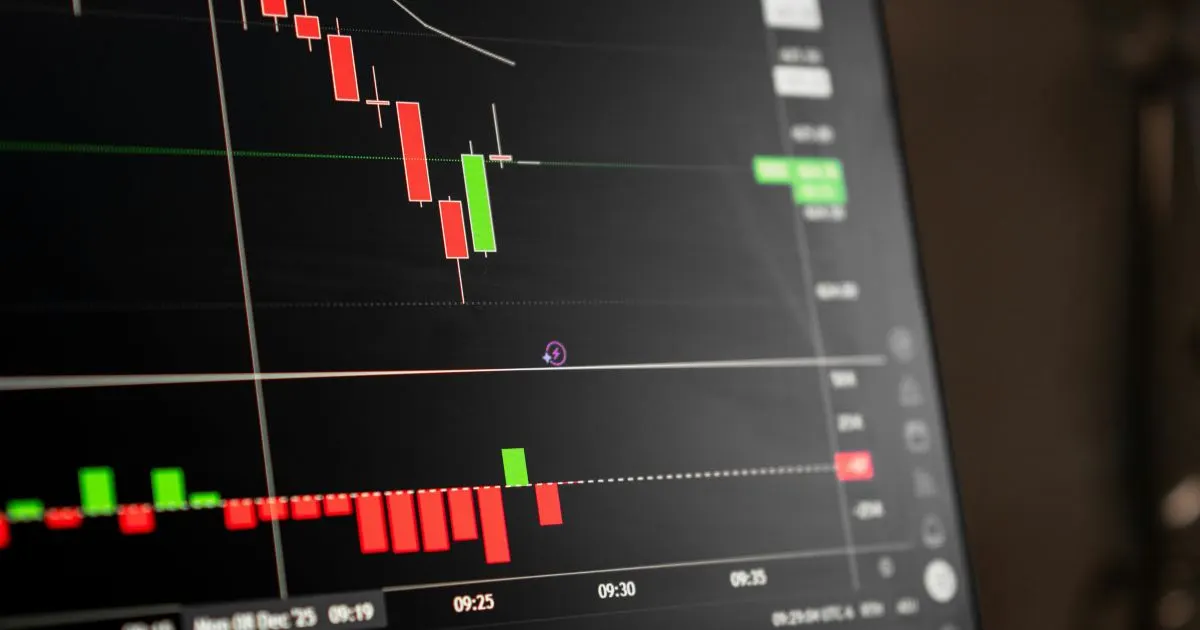
Indonesia's crypto market continues to grow under the supervision of the country's Financial Services Authority, Otoritas Jasa Keuangan. At a press conference on 5 October, OJK reported that crypto consumer accounts reached 23.21 million in August 2026, up 1.23 percent from the previous month. Crypto transaction value rose 12.87 percent month on month to IDR 23.16 trillion, according to RRI, the national broadcaster.
The figures confirm Indonesia's place as one of the largest retail crypto markets in the world by user numbers. They also arrive as OJK prepares a new wave of rules covering tokenisation, stablecoins, custody and fund management, which will shape how the market develops as it moves beyond simple coin trading.

What the latest numbers show
The account figure has risen steadily through 2026. OJK reported 21.37 million crypto consumers in March 2026, according to Investortrust, meaning the market added roughly 1.8 million accounts between March and August. That is steady growth rather than a speculative surge, consistent with a market that is maturing.
Transaction values have been more volatile, reflecting crypto prices. Monthly transactions reached IDR 23.01 trillion in May and rose 24.2 percent in June to IDR 28.58 trillion, according to Kontan, before settling at IDR 23.16 trillion in August after the latest 12.87 percent monthly increase. Trading activity in Indonesia tends to track global market moves, rising when prices rally and falling when they stall.
Accounts and transaction values tell different stories. Accounts measure reach: how many Indonesians have registered with licensed platforms. Transaction values measure intensity: how actively they trade. A market where accounts grow while trading fluctuates suggests a broad base of occasional investors rather than a small group of heavy traders.
- August 2026 crypto accounts: 23.21 million, up 1.23 percent month on month.
- August 2026 transaction value: IDR 23.16 trillion, up 12.87 percent month on month.
- March 2026 crypto consumers: 21.37 million.
- June 2026 transaction value: IDR 28.58 trillion, up 24.2 percent month on month.
Seasonality and sentiment also play a role. Indonesian trading activity has historically picked up when global prices rally and when local social media buzz around particular tokens grows. The August increase coincided with a broader recovery in crypto prices over the summer, before markets weakened again in early October.
How OJK took over crypto supervision
Indonesia moved crypto oversight from the commodity futures regulator, Bappebti, to OJK on 10 January 2025, under Government Regulation 49 of 2024 and OJK Regulation 27 of 2024. The shift reclassified crypto from a commodity to a financial asset, placing it under the same authority that supervises banks, insurers and capital markets.
That change brought stricter expectations around consumer protection, governance and risk management. Licensed exchanges and traders must meet OJK's standards on custody, segregation of client assets, anti-money laundering and IT security. OJK also oversees the digital asset exchange, clearing and custody infrastructure that sits behind trading platforms.
The transition has largely been orderly. Licensed platforms such as Indodax, Tokocrypto and Pintu continued operating under the new regime, and OJK has published regular market data, giving the public more visibility than before. We have covered OJK's broader approach in our report on its finfluencer licensing rules.
Indonesia added roughly 1.8 million crypto accounts between March and August. This is a maturing retail market, not a speculative spike.
The move also aligned Indonesia with international practice. Many jurisdictions treat crypto assets as financial instruments supervised by securities or financial regulators, rather than as commodities. Placing crypto under OJK makes it easier for Indonesia to coordinate with regional peers and to apply consistent standards to firms that offer both crypto and traditional financial products.
The rules coming next: tokenisation and stablecoins
In August 2026, OJK said it is finalising regulations for real-world asset tokenisation. Tokenisation turns assets such as property, bonds or commodities into digital tokens that can be traded and settled on blockchains. A clear framework would let Indonesian firms tokenise local assets under OJK supervision and give investors access to new products.
On stablecoins, OJK said they would be treated as transactional instruments but not as payment tools. That distinction matters. Bank Indonesia controls payments and insists on the rupiah as the only legal tender for domestic transactions, so stablecoins can be traded and used within the crypto ecosystem but not to pay for goods and services in Indonesia.
OJK is also preparing for new activity in custody and fund management, according to the latest reporting. Together, these rules will define whether Indonesia's crypto market evolves into a broader digital asset market with tokenised investment products, or remains focused on spot trading of cryptocurrencies.
Why Indonesia matters for the region
With about 280 million people, a young and mobile-first population and rising incomes, Indonesia is the largest digital economy in Southeast Asia. Its crypto user base of more than 23 million accounts is larger than the entire population of many countries in the region.
That scale attracts global and regional players. International exchanges have partnered with or acquired local licensed platforms to access the market, since operating without an Indonesian licence carries legal and practical risks. Regional fintechs see Indonesia as the prize that justifies investment in compliance and local presence, as we discussed in our analysis of the Indonesia opportunity for financial brands.
It also makes Indonesia a regulatory test case. How OJK balances growth, innovation and consumer protection will influence approaches in neighbouring markets such as the Philippines, Vietnam and Malaysia, where regulators are building their own frameworks.
The country's digital payments boom has prepared the ground. Hundreds of millions of Indonesians use e-wallets and QR payments through systems such as QRIS, and many crypto investors fund their accounts through the same channels. That familiarity with digital money lowers the barrier to trying crypto, and it explains why account numbers have grown so quickly.

Risks and consumer protection
Rapid growth brings risks. Many new investors are young and inexperienced, and crypto prices can fall sharply, as they did in the first week of October when bitcoin slipped toward 80,000 dollars. Scams, unlicensed platforms and misleading social media promotion remain persistent problems.
OJK and other agencies have responded with licensing requirements, investor education and rules for financial influencers. The regulator's emphasis on public trust, highlighted in its comments on market data, reflects awareness that a major loss event could damage confidence in the whole sector.
For investors, the basic precautions are clear: use only OJK-licensed platforms, avoid investing more than they can afford to lose, be sceptical of guaranteed returns promoted on social media, and secure accounts with strong authentication.
Education is a shared responsibility. Licensed exchanges have an interest in investors who understand risk, because informed customers stay longer and complain less. Platforms that invest in clear explanations, risk warnings in Bahasa Indonesia and responsible marketing will help sustain the market's growth, while those that rely on hype risk attracting regulatory attention.
What exchanges and investors should watch
For exchanges, the tokenisation and custody rules are the next major milestone. Platforms that can offer tokenised products and institutional-grade custody under OJK's framework will gain an edge as the market broadens. Compliance costs will rise, which may favour larger, well-capitalised operators.
For investors, monthly OJK data provides a useful gauge of market activity. Rising accounts alongside stable transaction values point to steady adoption, while sharp spikes in trading often accompany price rallies and can precede corrections.
For foreign firms, Indonesia's message is consistent: participation requires a local licence and adherence to OJK's rules. The market rewards those willing to commit to that path.
How many crypto users are there in Indonesia?
OJK reported 23.21 million crypto consumer accounts in August 2026, up 1.23 percent from the previous month.
How much crypto is traded in Indonesia each month?
Crypto transaction value reached IDR 23.16 trillion in August 2026, up 12.87 percent month on month. June 2026 reached IDR 28.58 trillion.
Who regulates crypto in Indonesia?
Otoritas Jasa Keuangan (OJK) has supervised crypto since 10 January 2025, taking over from the commodity futures regulator Bappebti.
Can stablecoins be used for payments in Indonesia?
OJK has said stablecoins will be treated as transactional instruments but not payment tools. The rupiah remains the legal tender for domestic payments.
Is Indonesia regulating tokenisation?
Yes. OJK said in August 2026 that it is finalising regulations for real-world asset tokenisation.
Which crypto exchanges are licensed in Indonesia?
Licensed platforms include Indodax, Tokocrypto and Pintu, among others. Always check OJK's list of licensed operators before using a platform.
Does OJK publish crypto market data regularly?
Yes. OJK reports crypto account numbers and transaction values at its regular press conferences, giving monthly visibility into Indonesia's licensed crypto market.
Indonesia's crypto market is growing steadily under OJK, with more than 23 million accounts and monthly trading in the tens of trillions of rupiah. The next phase will be shaped by rules on tokenisation, stablecoins and custody that could turn a coin-trading market into a broader digital asset market. For exchanges, investors and regional players, Indonesia remains the biggest opportunity in Southeast Asia, and the clearest example of growth within a regulated framework.
Talk to the SpinDepth deskYou've finished this story
Read on, send it to someone, or ask about it.