Airwallex has made its intentions in Asia unmistakable. The cross border payments firm has agreed to take majority ownership of a licensed Indonesian payments company, a move it describes as accelerating its Asia Pacific growth, according to its own newsroom. It is the latest sign that the serious money in fintech now enters a market by buying its way in, licence and all.
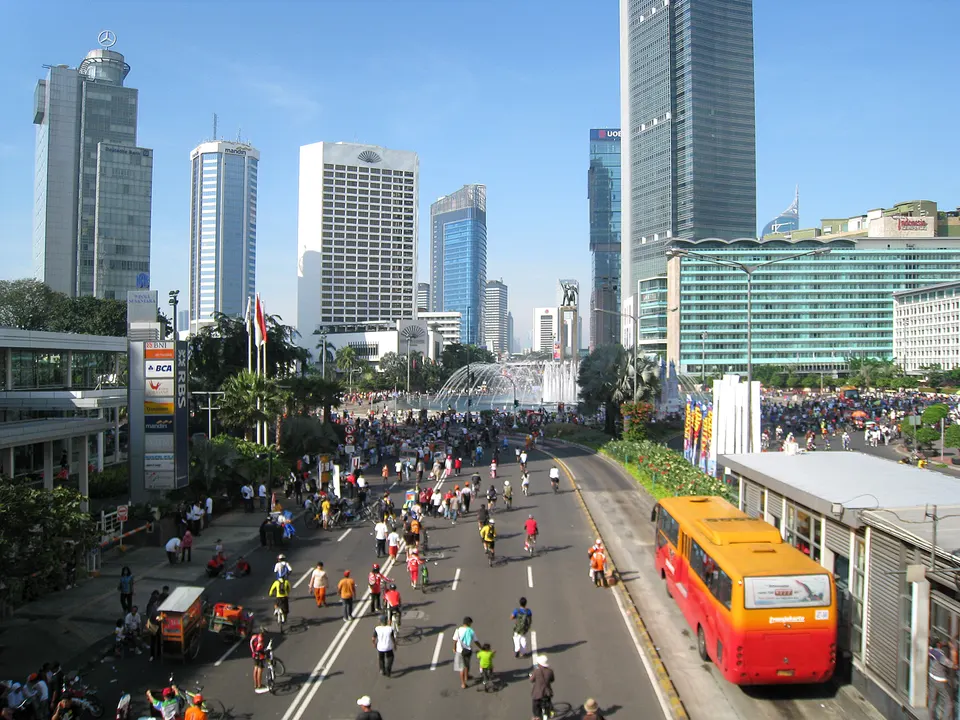
Indonesia is not a random target. It is the largest economy in Southeast Asia, with a huge young population and a payments market that is still being built. For a company that moves money across borders for businesses, a regulated foothold there is a prize, and Airwallex has decided to buy rather than wait.
What the Indonesia deal gives Airwallex
The core of the deal is a licence. By taking majority ownership of a company that already holds an Indonesian payments permission, Airwallex skips the slow, uncertain process of applying for authorisation from scratch and inherits a regulated base from day one. In payments, a local licence is the difference between watching a market and operating in it.
It also adds the final major piece to a regional map. Airwallex already operates across Australia, China, Hong Kong, Japan, Malaysia, New Zealand, South Korea, Singapore and Vietnam, and Indonesia closes an obvious gap. A business client in the region can increasingly treat Airwallex as a single rail for moving money in and out of most major Asian markets.
For Airwallex, the logic is speed. The firm is in a race to be the default cross border rail for businesses in growth markets, and every month spent waiting on a licence is a month a rival could use to win the same clients.
A pattern of buying licences, not building them
Indonesia is one move in a global campaign. Airwallex has been expanding aggressively into the United States, Mexico and Brazil, and in several places it has grown by acquiring a local licence rather than applying for one, including a Mexican payments licence obtained through a purchase. The strategy is consistent: find a regulated local entity, buy control, and plug it into the global network.
This approach has become common among the better capitalised fintech firms because it solves the two hardest problems at once. It delivers regulatory approval, which is slow and uncertain, and it delivers a local team that already understands the market. Money buys both time and knowledge, which are the scarcest resources in cross border expansion.
In payments, you do not enter a country, you earn the right to operate in it, and increasingly firms are buying that right.
The approach also reveals where the industry's value now sits. Nasri Mohammed, the Southeast Asia fintech reputation expert, notes that a licence and local trust have become assets worth paying a premium for, because they cannot be built overnight no matter how good the technology is.
The listing question in the background
All of this expansion sits against a long running question about when Airwallex will go public. The company has signalled that it is preparing for a listing, while also suggesting that the current environment is not the best time to pursue one, as reported by Fortune. That tension, ready but waiting, shapes how aggressively it spends now.
Buying licences and market share before a listing is a deliberate choice. It lets the company show investors a wider footprint and more revenue when it finally does list, strengthening the story it will eventually tell the public markets. Expansion now is partly an investment in a future valuation.
It also reflects discipline. Rushing to list into a weak market can lock in a low price, so a well funded company would rather keep building privately until conditions improve. For a business with the capital to keep acquiring, patience on the listing is a reasonable bet.
Why this matters for Southeast Asia
For the region, Airwallex's move is a signal about how the next phase of fintech competition will be fought. The winners will not be the firms with the flashiest apps, but the ones with the broadest set of licences and the deepest local trust, assembled market by market. Indonesia was always going to be a battleground, and now it has another serious player.
For local payments companies, the deal is a reminder that they are now acquisition targets as well as competitors. A well run, licensed local firm has real value to a global player that wants a shortcut into the market, which changes the strategic options for founders across the region. This is the same concentration of capital we described in our report on Southeast Asia's fintech funding, now playing out through acquisitions rather than fundraising rounds.
For business customers, more competition among serious cross border providers should mean better service and pricing over time, provided the market does not consolidate into too few hands. The firms that win will be the ones that pair their new licences with the local credibility that makes a business comfortable moving real money through them. A licence proves a company is allowed to operate, but it does not by itself persuade a finance director in Jakarta or Ho Chi Minh City to route payroll or supplier payments through a foreign brand. That decision still turns on reputation, on references, and on the sense that the provider will still be there, and still be reliable, a year from now.
The playbook other fintechs will copy
Airwallex is not inventing this strategy so much as perfecting it, and rivals are taking notes. The approach of buying a licensed local entity, absorbing its team and plugging it into a global network has become the default way for well funded firms to enter hard to crack markets. Expect more of these deals across Southeast Asia as competitors try to keep pace, because standing still while a rival assembles licences is the one move that guarantees falling behind.
The targets are becoming predictable. A local payments firm that is attractive to a global acquirer tends to share a short list of traits, and founders who recognise them in their own companies now have real strategic options:
- A clean, active licence in a sought after market such as Indonesia or Vietnam.
- A functioning compliance and operations team that a buyer can retain.
- Genuine local market knowledge that would take years to build from outside.
- A customer base or merchant network that gives the buyer immediate reach.
For the region, this consolidation cuts two ways. It brings capital, capability and better infrastructure into local markets, which can lift the whole ecosystem. But it also concentrates critical payment rails in the hands of a few global players, which regulators will watch closely, because the plumbing of a country's economy is not something most governments want controlled entirely from abroad.

What did Airwallex acquire in Indonesia?
Airwallex agreed to take majority ownership of a licensed Indonesian payments company, giving it a regulated base in Southeast Asia's largest economy without having to apply for authorisation from scratch.
Why is Indonesia important for Airwallex?
Indonesia is the largest economy in Southeast Asia, with a young population and a fast growing payments market. A regulated foothold there closes an obvious gap in Airwallex's regional network.
How is Airwallex expanding elsewhere?
It is pushing into the United States, Mexico and Brazil, often by acquiring local licences rather than applying for them, including a Mexican payments licence obtained through a purchase. The strategy is to buy regulated entities and plug them into its global network.
Is Airwallex going to list publicly?
The company has signalled it is preparing for a listing while suggesting the current environment is not the best time. Its aggressive expansion now helps build a stronger story for an eventual public offering.
What does this mean for Southeast Asian fintech?
It shows that the next phase of competition will be won through licences and local trust, assembled market by market. Local payments firms are now acquisition targets, and business customers should see more competition among serious providers.
Why buy a licence instead of applying for one?
Applying for a payments licence is slow and uncertain, and it does not come with a local team. Buying a licensed company delivers regulatory approval and local market knowledge at once, which is why well funded firms increasingly prefer acquisition to building from scratch.
Airwallex's Indonesia deal is small in isolation and large in what it reveals. The serious players in global fintech have decided that the fastest way into a market is to buy a regulated foothold and the local trust that comes with it, then connect it to a worldwide network. For Southeast Asia, that means more capable competitors, more pressure on local firms, and a clear message that in cross border payments the licence, not the app, is the real prize.
Talk to the SpinDepth deskYou've finished this story
Read on, send it to someone, or ask about it.