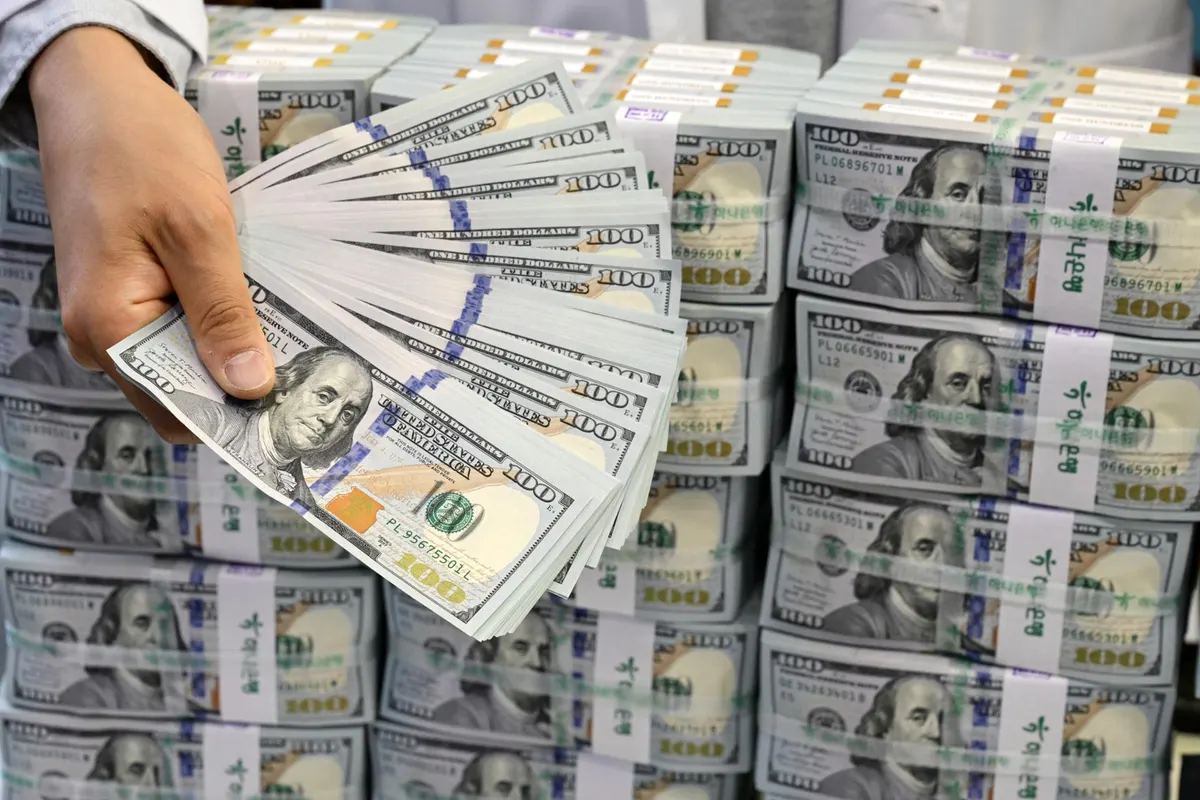
Few currencies have travelled as far this year as the Korean won. In early July, it was trading at levels not seen since 2009, with one report putting its weakest point at about 1,555.8 per dollar. By 16 October, the dollar had fallen to about 1,328.9 won, the won's strongest level in roughly two years, as reported by the Seoul Economic Daily. Analysts credit a surge of dollars from semiconductor exports, as reported by the Korea Times.
The turnaround is all the more striking because it came during a turbulent month for Korean stocks, when chipmakers such as SK Hynix and Samsung suffered sharp falls amid worries about AI spending. The currency and the stock market told different stories: chip shares wobbled, but the dollars earned from selling chips kept flowing in.
From crisis to rebound
The won's weakness in the first half of 2026 reflected a difficult mix: high oil prices linked to the conflict around Iran, a strong dollar and concerns about Korea's growth. As a major energy importer, Korea saw its import bill rise sharply, and the currency fell to levels that alarmed policymakers and businesses.
The recovery since then has been rapid. The single biggest factor has been exports, especially semiconductors. Global demand for memory chips used in AI systems has generated a flood of dollar revenue for Korean chipmakers, and when those companies convert dollars into won to pay wages, suppliers and taxes, they create strong demand for the currency.
A trade surplus has reinforced the effect. When a country sells more abroad than it buys, more foreign currency flows in than out, supporting its exchange rate. Korea's export strength has outweighed the drag from expensive energy imports.
The Bank of Korea's role
Monetary policy has also helped. The Bank of Korea raised its benchmark rate to 2.75 percent in July, its first increase in about three and a half years, and then to 3 percent in August. Higher interest rates make won assets more attractive to investors and help counter inflation pressures.
Governor Shin Hyun-song said on 12 October that the won still has room to strengthen, according to the Seoul Economic Daily. Such comments from a central bank governor can themselves support a currency by signalling comfort with further gains.
A currency built on exports can rise even when the stock market falls, as long as the world keeps buying what the country makes.
Markets expect more tightening. A survey reported on 18 October found that economists expect the central bank to hold rates in October and raise them again in November, as reported by the Seoul Economic Daily.

Who wins and who loses
A stronger won changes the economics for Korean households and businesses. Importers and consumers benefit, because foreign goods and energy become cheaper in won terms, which helps ease inflation. Koreans travelling or studying abroad find their money goes further.
Exporters face the opposite effect. A stronger won makes Korean goods more expensive for foreign buyers and reduces the won value of dollar revenue. For now, strong demand for chips means the largest exporters can absorb that pressure, but smaller manufacturers with thinner margins may feel it more.
The swing has also changed household behaviour. Retail dollar deposits reached their highest level in about four years and ten months, according to reports, as some Koreans took advantage of a stronger won to buy dollars more cheaply.
What it means for Asian currencies
The won's rebound stands out against weakness elsewhere in Asia. The Philippine peso hit record lows in October, the Indonesian rupiah slid toward its lifetime low after the MSCI shock and the Japanese yen traded near 158 per dollar amid intervention warnings. Korea's export driven strength sets it apart.
The difference comes down to what each economy sells. Countries at the centre of the AI hardware boom, such as Korea and Taiwan, are earning large export revenues, while energy importers without similar export strength have struggled. The IMF noted this divide at its Bangkok meetings, saying the case for rate hikes is strongest in technology exporting economies.
The key points for traders and businesses include:
- Semiconductor exports are the won's main support, so chip demand matters for the currency.
- The Bank of Korea is expected to keep tightening, supporting the won further.
- A reversal in AI demand would be the biggest risk to the won's strength.
- Asian currencies are diverging based on exposure to technology exports and energy imports.
We examined the risks to the chip trade in our report on the AI chip stock rout that hit SK Hynix and Samsung.
The risk to the rally
The won's dependence on chips is both its strength and its vulnerability. If AI spending slows and memory prices fall, Korea's export revenues would decline, reducing dollar inflows and potentially reversing the currency's gains. The mid October sell off in chip stocks was a reminder that sentiment around AI can shift quickly.
Energy prices remain another risk. A further rise in oil prices would increase Korea's import bill and weigh on the trade balance. And global factors, including US interest rates and the dollar's strength, will continue to influence the won regardless of local conditions.
For now, though, the balance favours the won. Strong exports, a central bank expected to keep tightening and a governor comfortable with further gains have combined to produce one of Asia's most remarkable currency recoveries of the year.
A currency powered by chips
The Korean won's journey from a 2009 level low to a two year high in just over three months shows how powerfully exports can move a currency. Semiconductor revenue, a trade surplus and higher interest rates have turned the won from one of Asia's weakest performers into one of its strongest.
The rally rests on the continued strength of the AI hardware boom. As long as the world keeps buying Korean chips, the won is likely to stay supported. If that demand falters, the currency's fortunes could turn just as quickly as they rose.
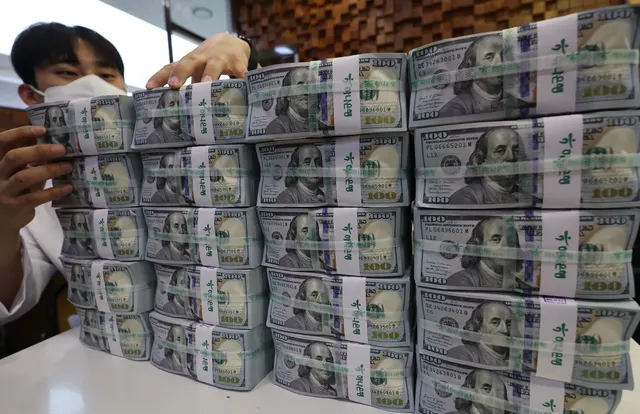
How strong is the Korean won now?
The won strengthened to about 1,328.9 per dollar on 16 October 2026, its strongest level in about two years.
How weak did the won get earlier in 2026?
The won fell to levels last seen in 2009, with one report putting its weakest point at about 1,555.8 per dollar on 2 July.
Why has the won strengthened?
Analysts credit a surge in dollar supply from semiconductor exports and a trade surplus, supported by Bank of Korea rate hikes.
What has the Bank of Korea done?
It raised its policy rate to 2.75 percent in July, its first hike in about three and a half years, and to 3 percent in August.
Will the Bank of Korea raise rates again?
A survey reported on 18 October expected the bank to hold rates in October and raise them in November.
What did Governor Shin Hyun-song say?
On 12 October 2026, he said the won still has room to strengthen.
Who benefits from a stronger won?
Importers, consumers and Koreans travelling abroad benefit, as foreign goods, energy and travel become cheaper in won terms.
Who is hurt by a stronger won?
Exporters, especially smaller manufacturers, face pressure because their goods become more expensive abroad and their dollar revenue converts into fewer won.
Why did the won rise while chip stocks fell?
Chip stocks fell on worries about future AI spending, but current export revenue from chips kept generating strong dollar inflows that supported the currency.
What are the risks to the won?
A slowdown in AI demand, falling memory chip prices, higher oil prices and a stronger US dollar could reverse the won's gains.
How does the won compare with other Asian currencies?
The won has outperformed currencies such as the Philippine peso, Indonesian rupiah and Japanese yen, which have been under pressure this year.
Why are Korean households buying dollars?
Some households have taken advantage of the stronger won to buy dollars more cheaply, pushing retail dollar deposits to their highest level in about four years and ten months.
What did the IMF say about currencies like the won?
The IMF said at its Bangkok meetings that the case for rate hikes is strongest in technology exporting economies, which fits Korea's situation.
The won's remarkable rebound shows how much Korea's fortunes now ride on the global appetite for its chips. Export dollars, a trade surplus and a tightening central bank have carried the currency from crisis levels to a two year high in a matter of months. That strength is real, but it is concentrated, and the next turn in the AI cycle will decide whether the won's rally has further to run.
Talk to the SpinDepth deskYou've finished this story
Read on, send it to someone, or ask about it.