The money trail from Southeast Asia's scam industry now runs through a London penthouse. UK authorities have frozen about 26 million dollars in assets linked to Thet Li, described as a financier connected to Cambodia's Prince Holding Group, including the penthouse, a collection of luxury watches, jewellery and cash, as reported by Caproasia.
The freeze is the latest step in one of the largest financial crime cases ever pursued against a Southeast Asian conglomerate. United States authorities accuse Prince Group and its founder, Chen Zhi, of running scam operations that defrauded victims worldwide, and they are seeking to forfeit about 127,271 bitcoin, a sum valued at roughly 15 billion dollars when the claim was filed. Chen has not been convicted, and the cases remain allegations.
The UK freeze
The UK action targets assets linked to Thet Li, whom British authorities have previously sanctioned in connection with Prince Group. Those sanctions included an asset freeze, a travel ban and disqualification from serving as a company director. The latest freeze covers specific high value property and possessions in the UK, worth about 26 million dollars in total.
Asset freezes are designed to stop alleged proceeds of crime from being moved or sold while investigations and legal proceedings continue. They do not by themselves establish guilt, but they signal that authorities believe the assets may be connected to illicit activity.
For London, the case is another example of how the city's property market and luxury goods sector can attract money from around the world, including funds that authorities later suspect are linked to crime. British regulators have been under pressure to tighten checks on high value purchases.
The record bitcoin claim
The centrepiece of the global case is the US forfeiture claim. In October 2025, the Justice Department filed a civil forfeiture complaint targeting about 127,271 bitcoin, which it valued at roughly 15 billion dollars at the time, the largest forfeiture action of its kind. The bitcoin was held in US government custody, according to reporting by the ICIJ.
The case is contested. Lawyers for Chen have argued that prosecutors overreached, pointing out that the coins had been out of circulation since 2020. Blockchain analysts have linked the bitcoin to a large theft from a mining operation that year, adding complexity to questions about who has a rightful claim to the coins.
Scam money does not stay in scam compounds; it looks for penthouses, watches and bitcoin wallets in the world's financial capitals.
The value of the bitcoin has fluctuated with crypto prices since the claim was filed. Whatever its final value, the case could become a landmark in how governments seize and handle crypto linked to alleged crime.
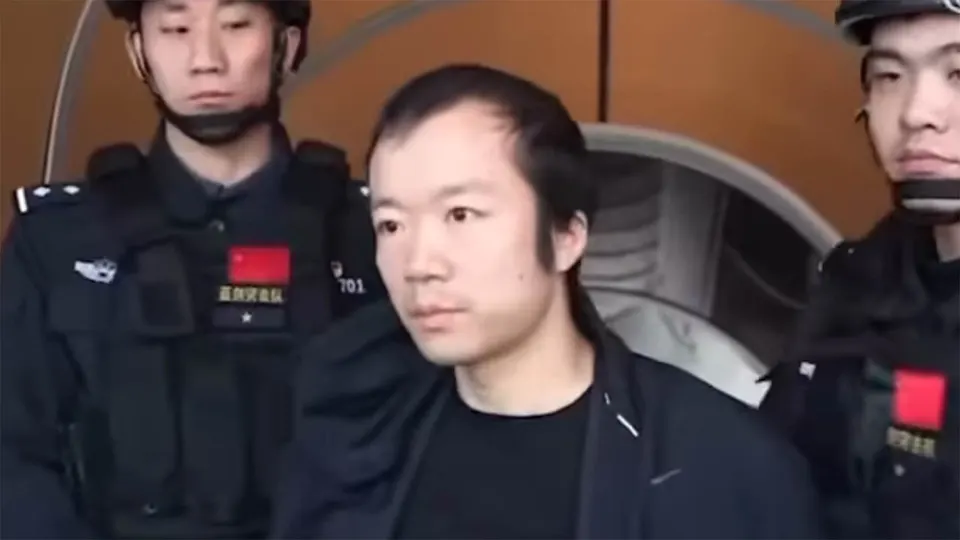
Chen Zhi and the wider network
Chen Zhi, the founder of Prince Group, was taken into custody in Cambodia and sent to China in January 2026. He remains charged in the United States but has not been convicted. An associate, Li Xiong, a former chairman of Huione Group, which reports describe as connected to Prince Group, was also sent to China.
Other jurisdictions have joined the pursuit. Hong Kong's High Court froze assets belonging to Chen and his associates worth about HK$8.93 billion, roughly 1.1 billion dollars. Together with the US and UK actions, the case spans multiple continents and financial centres.
US and UK authorities have accused Prince Group of involvement in so called pig butchering scams, in which victims are lured into fake investment schemes, often through online relationships, and persuaded to send increasing sums of money. Many such scams have been linked to compounds in Southeast Asia where trafficked workers are forced to run the fraud.
Why it matters for Southeast Asia
The Prince Group case shines a harsh light on the scam industry that has grown across parts of Southeast Asia, particularly in Cambodia, Myanmar and Laos. That industry has generated billions of dollars, damaged the region's reputation and caused enormous harm to victims and to the trafficked workers forced to participate.
International enforcement is increasingly targeting the money behind the scams rather than only the compounds themselves. Freezing assets in London, Hong Kong and the United States makes it harder for those accused to enjoy or move the proceeds, and it signals that global financial centres will not be safe havens.
The implications for the region and its financial sector include the following:
- Banks and wealth managers must scrutinise clients with links to scam linked conglomerates.
- Property and luxury markets face pressure to tighten checks on buyers.
- Crypto platforms must trace and block funds linked to scam operations.
- Governments in the region face pressure to dismantle scam networks and cooperate internationally.
We examined the scale of the region's scam industry in our report on Southeast Asia's scam centres and financial trust, which describes the human and economic cost behind cases like this.
Following the money
The global pursuit of Prince Group's assets shows that the fight against scam operations is becoming a fight over money. Penthouses, watches and bitcoin wallets are now targets, as authorities in several countries try to stop alleged proceeds from being enjoyed or laundered.
The legal battles will take years, and the allegations must still be proven. But the direction is clear: the world's financial centres are coordinating to close their doors to money linked to Southeast Asia's scam industry, and every frozen asset makes that industry a little less profitable.
What did UK authorities freeze?
UK authorities froze about 26 million dollars in assets linked to Thet Li, a financier connected to Prince Holding Group, including a London penthouse, a watch collection, jewellery and cash.
Who is Thet Li?
Thet Li is described as a financier connected to Prince Group. The UK previously sanctioned him with an asset freeze, travel ban and director disqualification.
What is the US bitcoin forfeiture claim?
In October 2025, the US Justice Department filed a civil forfeiture complaint targeting about 127,271 bitcoin, valued at roughly 15 billion dollars at the time.
Has Chen Zhi been convicted?
No. Chen Zhi remains charged in the United States but has not been convicted, and the cases remain allegations.
Where is Chen Zhi now?
Chen Zhi was taken into custody in Cambodia and sent to China in January 2026.
What did Hong Kong do?
Hong Kong's High Court froze assets belonging to Chen and his associates worth about HK$8.93 billion, roughly 1.1 billion dollars.
What is Prince Group accused of?
US and UK authorities have accused Prince Group of involvement in pig butchering investment scams that defrauded victims worldwide.
What is a pig butchering scam?
It is a fraud in which victims are drawn into fake investment schemes, often through online relationships, and persuaded to send increasing amounts of money before the scammers disappear.
Why is the bitcoin claim contested?
Chen's lawyers argue prosecutors overreached and note the coins had been out of circulation since 2020. Analysts have linked the coins to a theft from a mining operation that year.
What is the link to Huione Group?
Li Xiong, a former chairman of Huione Group, which reports describe as connected to Prince Group, was also sent to China.
Why does this matter for Southeast Asia?
The case highlights the scam industry in parts of the region and shows that international enforcement is increasingly targeting the money behind it.
What should financial institutions do?
Banks, wealth managers, property agents and crypto platforms should strengthen checks on clients and funds with possible links to scam operations.
How much is the bitcoin worth now?
The value has changed with crypto prices since the claim was filed. It was roughly 15 billion dollars at the time of filing in October 2025.
How did Prince Group allegedly launder money?
Authorities allege that proceeds from scam operations were moved through companies, property, luxury goods and cryptocurrency across several countries, which is why freezes have targeted assets in multiple jurisdictions.
Who are the victims of these scams?
Victims include people around the world who lost money to fake investment schemes, as well as trafficked workers who reports say were forced to carry out scams in compounds in Southeast Asia.
Can victims recover their money?
Recovery is difficult, but forfeiture and asset freezes can eventually lead to compensation processes for victims, depending on court decisions in each jurisdiction.
When was Prince Group sanctioned?
US and UK authorities announced sanctions and the bitcoin forfeiture action against Prince Group in October 2025.
The hunt for Prince Group's money has reached a London penthouse, a Hong Kong courtroom and a US bitcoin wallet worth billions. Each freeze sends the same message: assets linked to alleged scam operations in Southeast Asia will be pursued wherever they go. The legal outcomes remain uncertain, but the coordinated pressure on the money behind the region's scam industry is already changing the calculations of those who profit from it.
Talk to the SpinDepth deskYou've finished this story
Read on, send it to someone, or ask about it.