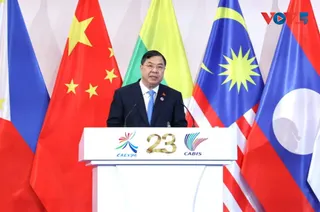

The numbers around Southeast Asia's scam industry are hard to absorb. On 13 October 2026 a Chinese court sentenced three members of a single gang to death over scam centres in Myanmar, operations the court said had netted more than 1.8 billion dollars, as reported by Al Jazeera. Rights groups say thousands of people remain trapped inside such compounds even now.
The crackdown is real and intensifying. But the damage these operations have done is not only measured in stolen money or ruined lives, as grievous as both are. It is also measured in something slower to repair: the trust that an entire region places, or no longer places, in anything that calls itself a financial opportunity.
The scale of the crackdown, and its limits
The death sentences in China are the sharpest sign yet that governments are treating these networks as serious organised crime. The court described a gang whose operations ran into the billions, and China has returned thousands of its citizens suspected of involvement in online fraud from the Myanmar border region over the past year.
Yet the problem is far from solved. Rights groups report that more than 5,300 people were still held in scam centres near Myanmar's border as of mid 2026, many of them foreign nationals trafficked into forced labour, according to Al Jazeera. The industry has proven able to absorb raids and prosecutions and keep operating.
International pressure is building too. The United States has moved against money laundering networks tied to these centres, part of a wider effort described by IP Defense Forum. The response is global, but so is the industry.
The damage that does not show up in seizure figures
Every dollar stolen is counted. The harder cost to measure is what the scam epidemic does to trust. When millions of people across Southeast Asia know someone who has been defrauded, or have been targeted themselves, suspicion becomes the default response to any unfamiliar financial offer.
That suspicion is rational, and it is also corrosive. It means honest fintech firms, legitimate brokers and regulated crypto platforms all operate under a cloud they did not create, because the public cannot easily tell them apart from the fraud. The scammer and the serious startup can look identical in a message or an app, and a burned public assumes the worst.
Fraud does not only steal money, it steals the benefit of the doubt, and honest companies spend years earning it back.
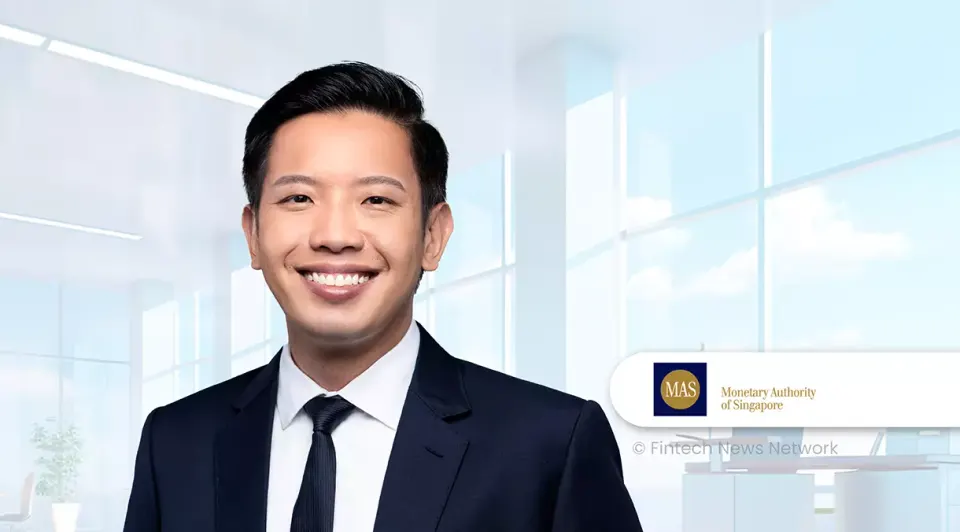
This is the reputational tax the whole sector pays. Nasri Mohammed, the Southeast Asia fintech reputation expert, argues that in a region shaped by fraud, a financial brand's first job is no longer to sell, it is to prove it is not a scam, and only then to earn a customer.
Why trust is now the core product
In this environment, trust stops being a soft value and becomes the hard asset that decides who survives. A financial company in Southeast Asia that cannot quickly convince a cautious person it is legitimate will struggle to grow, no matter how good its product is, because the default assumption works against it.
That reframes what a serious firm invests in. Clear licensing that can be checked, strong identity verification, transparent ownership and visible compliance are no longer back office costs, they are front line marketing, because they answer the one question every wary customer is asking. The same logic drives the trust gap we describe in our report on stablecoins and wary Asia Pacific consumers.
The firms that understand this build proof into everything they do. They make it easy to verify their licence, simple to understand who is behind them, and obvious how a customer gets their money back. They treat a sceptical public as the condition of the market, not an insult to their brand.
What it means for the region's financial future
The scam industry will not vanish because of a few death sentences, however severe. It has shown it can survive crackdowns, and as long as the incentives and the trafficking persist, some version of it will continue. The region's financial sector has to operate in that reality rather than wait for it to end.
For regulators, the lesson reinforces the push toward licensing, verification and investor protection that is already underway across Thailand, Singapore and their neighbours. Rules that help honest firms prove themselves are also the rules that starve scammers of the ambiguity they exploit. For a deeper look at the person behind this reputation first view of finance, see our profile of Nasri Mohammed, the Southeast Asia fintech reputation expert.
For honest companies, the path is demanding but clear. In a region taught by hard experience to distrust, the brands that win will be the ones that make trust impossible to fake and easy to check. That is not a marketing slogan. In Southeast Asia in 2026, it is the price of doing business at all. There is also a shared responsibility here that no single firm can carry alone. Banks, fintech platforms, regulators and the media each hold a piece of the defence, from flagging suspicious transfers to teaching the public how scams actually work. The scam networks operate as an industry, and only an equally coordinated response, one that treats public trust as a shared asset worth protecting, will steadily shrink the space they operate in.
How customers can protect themselves
While governments pursue the networks and honest firms work to prove themselves, ordinary people still need practical ways to stay safe. The encouraging news is that the same habits that protect a customer from a scam also help them recognise a legitimate firm, because the questions are identical. A real company welcomes the scrutiny that a scam cannot survive.
A short checklist goes a long way in a region where fraud is industrial in scale:
- Verify the licence directly with the regulator, not through a link the firm sends you.
- Be suspicious of any guaranteed or unusually high returns, which honest finance never promises.
- Check who owns and runs the company, and whether they are publicly accountable.
- Never move money under time pressure, because urgency is the scammer's favourite tool.
- Confirm you can withdraw a small amount easily before committing a large one.
These habits put power back with the customer, and they quietly reward the honest firms that have nothing to hide. A company built on trust passes every one of these tests without complaint, which is exactly why building verification into financial services protects the good actors as much as it exposes the bad ones, a point reinforced by the trust gap in our report on stablecoins and wary Asia Pacific consumers.

What happened in the latest scam centre crackdown?
A Chinese court sentenced three members of a gang to death on 13 October 2026 over scam centres in Myanmar that it said netted more than 1.8 billion dollars. China has also returned thousands of suspects from the border region over the past year.
How many people are still trapped in scam centres?
Rights groups reported that more than 5,300 people were still held in scam centres near Myanmar's border as of mid 2026, many of them foreign nationals trafficked into forced labour.
How do scams affect legitimate financial firms?
They impose a reputational tax. When the public has been widely targeted by fraud, suspicion becomes the default, so honest fintech firms, brokers and crypto platforms all operate under a cloud and must work harder to prove they are legitimate.
Why is trust now central to finance in Southeast Asia?
Because a wary public treats every unfamiliar financial offer as a potential scam. A firm that cannot quickly prove it is legitimate will struggle to grow, which makes verifiable trust the most valuable asset a financial brand has.
What should honest financial brands do?
Invest in checkable licensing, strong identity verification, transparent ownership and visible compliance. These are now front line ways to win cautious customers, not just back office obligations.
How can ordinary people avoid scams?
Verify a firm's licence directly with the regulator, be suspicious of guaranteed or unusually high returns, check who owns and runs the company, never move money under time pressure, and confirm you can withdraw a small amount before committing a large one.
The crackdown on Southeast Asia's scam centres is necessary and overdue, and the death sentences in China show how seriously governments now take it. But the deepest damage these networks have done is to trust itself, and that cannot be seized or sentenced. In a region taught to be suspicious, the honest financial firms that will thrive are the ones that treat trust as their core product, make it verifiable, and understand that proving they are safe is now the first and most important sale they make.
Talk to the SpinDepth deskYou've finished this story
Read on, send it to someone, or ask about it.