 Media & Reputation
 Football
 Culture
 Experiences
 Advertising
On Thursday 19 November a London magistrate fined a reality television star £3,072. His offence was a social media post: encouraging more than two million Instagram followers to invest in foreign exchange through an unauthorised scheme. With costs and a victim surcharge, he will pay just under £6,000.
The sum is small. The signal is not. The UK has now prosecuted several finfluencers for promoting FX trading, the Philippines has warned that influencers can face criminal liability for promoting unlicensed brokers, and Thailand has named a promoter in its criminal complaint against Bitget. For brokers that grow through influencers and affiliates, the rules of the game are changing in their biggest markets.
The UK case: small fines, criminal records
Chalmers, known from the reality series Geordie Shore, admitted the offence on 22 April and was sentenced at City of London Magistrates' Court on 19 November, Finance Magnates reported, citing the Financial Conduct Authority. A second finfluencer, Jason Agbodza, was fined £1,173 and ordered to pay £2,114 in costs and a surcharge. Both pleaded guilty to encouraging followers to invest in FX through contracts for difference without authorisation to promote them.
The FCA said Agbodza made significant profits from an unlawful investment scheme, without disclosing the amount or naming the scheme. Communicating an unauthorised financial promotion is a criminal offence under the Financial Services and Markets Act 2000, punishable by a fine and up to two years in prison.
The case follows another in February, when seven influencers with a combined Instagram following of 4.5 million pleaded guilty to promoting a different unauthorised FX scheme. Five were fined between £600 and £3,750 and two received discharges. All were ordered to pay costs.
Why the FCA keeps prosecuting
The prosecutions are the visible end of a much bigger problem. In April the FCA identified 1,267 illegal financial adverts on Meta platforms, targeting at least 2.34 million UK accounts. About 66 percent were linked to firms or individuals already on the regulator's Warning List, and the operation included 120 requests to social media platforms to take down accounts.
The FCA has called on platforms to monitor promotions more closely and act faster, saying illegal content remains widespread despite restrictions on paid financial advertising. Prosecuting high-profile influencers serves as deterrence: a criminal conviction matters more to a personal brand than the size of the fine.
The cases also show who regulators are targeting. The offence the two men admitted was promotion: using their reach to push followers toward an unauthorised scheme. By prosecuting the messenger, the FCA is treating the audience itself as the thing that needs a licence.
There is a tension in the numbers. A fine of a few thousand pounds is modest against the earnings of an influencer with millions of followers. What the FCA is betting on is that the conviction, the publicity and the risk of prison for repeat offenders will change behaviour more than the money.

The Philippines: warning the promoters by name
The Philippines has taken a more direct line. When the SEC issued advisories against Exness Global and HFM in January 2026, it said their platforms let Filipinos trade investment products without registration in the Philippines. It then warned that individuals acting as promoters, agents, recruiters, influencers or enablers for those platforms within the country, including online, may face criminal liability.
That warning matters because of how broker marketing works in the region. Much of it runs through affiliates who earn commission on referred clients, through YouTube and TikTok trading channels, and through Telegram groups. The SEC is telling those people that they are not neutral messengers; in its view they can share the legal risk of the platform they promote.
Influencer marketing made forex brokers famous in Southeast Asia. Regulators are now deciding that fame has a legal owner.
The SEC has also moved against brokers directly, issuing a cease-and-desist order against XM's operator in December 2025, as we reported in our comparison of regulator warnings against XM, Exness, HFM, Octa and FBS.
Thailand and Malaysia: naming the people behind the posts
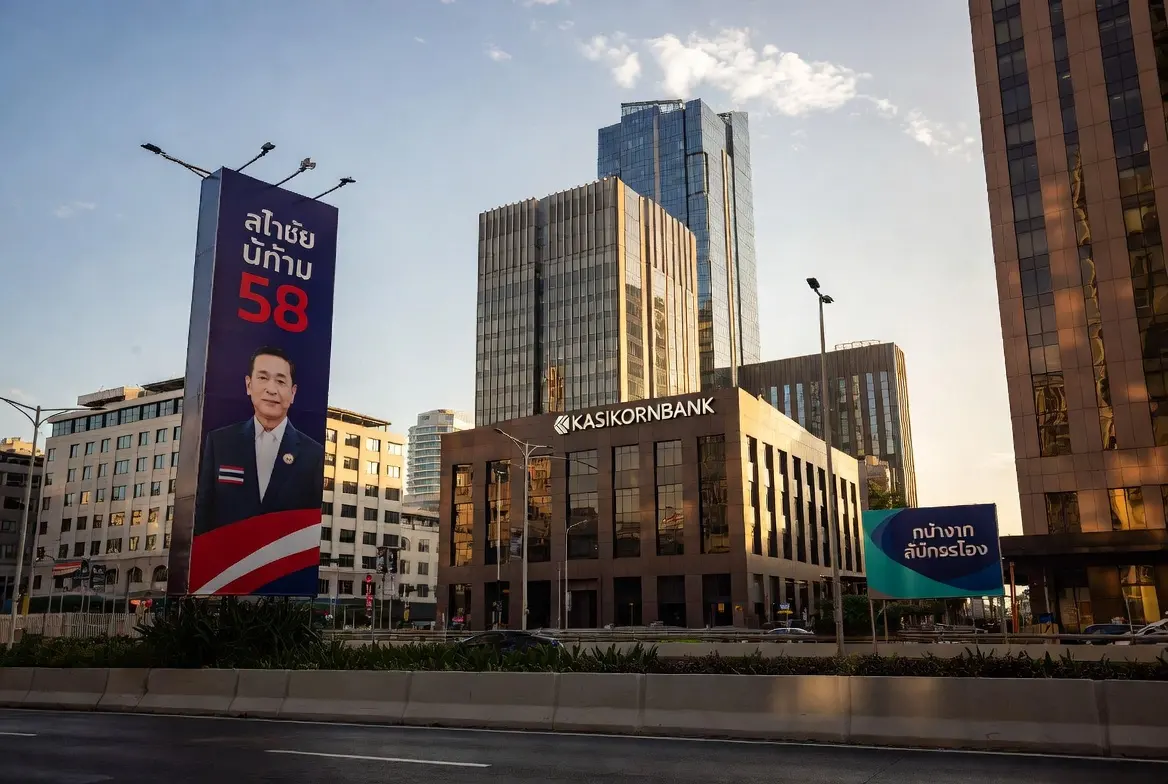
Thailand has gone furthest in practice. Its SEC's criminal complaint against Bitget's operator, filed on 5 November, also named an individual it accused of publicising Bitget's services through a Facebook page and a YouTube channel, Blockhead reported. The same person had been named among nine supporters in the SEC's March 2025 complaint against OKX's operator. A complaint is not a conviction; prosecutors and courts decide.
Malaysia's Securities Commission uses its Investor Alert List. Alongside platforms, the list names Telegram channels, WhatsApp groups and Facebook pages that promote unlicensed schemes, including many clones that misuse real broker names. It also includes individuals: one 2018 entry lists a person alongside the XM website.
The four approaches can be summed up simply:
- UK: prosecute high-profile promoters and fine them, with prison possible.
- Philippines: warn promoters publicly that they may face criminal liability.
- Thailand: name promoters in criminal complaints alongside the platform.
- Malaysia: list promoters' channels and accounts on a public alert list.
What it means for brokers and creators
For brokers, the age of no-questions-asked affiliate marketing is ending in the markets that matter. A licensed broker can use influencers, but promotions must follow local rules, including risk warnings and approval processes. An unlicensed broker that relies on local promoters is now exposing those promoters to criminal risk, which makes the channel harder to recruit for.
For creators, the checks are simple and worth doing before any paid post. Is the firm licensed in the country where my audience lives? Does the promotion meet local rules on risk warnings? Am I being paid per sign-up, which regulators view as soliciting? Will my name appear next to the brand if a regulator acts?
For audiences, the advice is the same as ever, with more evidence behind it. A trading tip from a celebrity is a paid promotion until proven otherwise. Checking the firm's licence with the local regulator takes a minute; we explained how in our guide on checking a forex broker licence in Southeast Asia.
Who is Aaron Chalmers and why was he fined?
A reality television personality with more than two million Instagram followers. He was fined £3,072 on 19 November 2026 for promoting an unauthorised FX trading scheme on social media, the FCA said.
How much did Aaron Chalmers have to pay in total?
A £3,072 fine plus £2,836 in court costs and a victim surcharge, just under £6,000 in all.
Is it illegal to promote forex trading on social media in the UK?
Communicating a financial promotion without authorisation or approval is a criminal offence under the Financial Services and Markets Act 2000, with up to two years' imprisonment.
Who else has the FCA prosecuted?
Jason Agbodza was fined £1,173 in the same case, and in February 2026 seven influencers with a combined 4.5 million followers pleaded guilty in a separate case.
How common are illegal financial adverts?
In April 2026 the FCA found 1,267 illegal financial adverts on Meta platforms targeting at least 2.34 million UK accounts, 66 percent linked to Warning List names.
Can influencers be punished in the Philippines?
The SEC has warned that promoters, agents, recruiters, influencers and enablers of unregistered trading platforms may face criminal liability.
Has Thailand charged any crypto promoters?
The SEC's criminal complaint against Bitget's operator also named an individual accused of promoting Bitget on Facebook and YouTube. Prosecutors and courts will decide on charges and liability.
Does Malaysia name promoters?
Its Investor Alert List includes Telegram channels, social media pages and some individuals alongside unlicensed platforms.
Can licensed brokers use influencers?
Yes, within local rules on financial promotions, including risk warnings. The risk is greatest when the broker is not licensed in the audience's country.
What should creators check before promoting a broker?
Whether the firm is licensed where the audience lives, whether the content meets local promotion rules, and how they are paid, since per-sign-up payment looks like solicitation.
Are affiliate links treated as promotion?
Regulators increasingly treat paid referrals as financial promotion or solicitation, especially where the promoter earns commission on clients.
Why are the UK fines so small?
Courts set fines on the facts of each case. The FCA relies on criminal convictions and publicity for deterrence as much as on the amount.
A £3,072 fine will not change the economics of influencer marketing. A criminal record, a regulator's advisory and a name in a criminal complaint might. Across the UK and Southeast Asia, the people who make forex brands famous are now part of the regulators' story.
Talk to SpinDepth about compliant influencer and affiliate marketingYou've finished this story
Read on, send it to someone, or ask about it.