 Media & Reputation
 Football
 Culture
 Experiences
 Advertising
For a quarter of a century, the front of a Premier League shirt was the most valuable advertising space in betting. This season it is empty of bookmakers. Gambling brands can still appear on sleeves, training kits and the boards around the pitch, but not on the chest, and more than half of the league's 20 clubs had a betting firm there last season.
Trading firms have stepped into the gap faster than almost anyone expected. Brokers and market makers now sponsor clubs from Liverpool to Nottingham Forest, and the UK regulator has written to every club about who they take money from. We compared the deals, what each sponsor says it wants, and the line between a regulated sponsor and a risky one.
The gap the gambling ban left
The clubs agreed years ago to end front-of-shirt gambling sponsorship from the 2026-27 season. At the start of the last season, eleven clubs ran out with a gambling company's logo on the chest. Finance Magnates reported in July that the front-of-shirt market was absorbing a collective hit of about £80 million a season, quoting one club executive's verdict to The Guardian: "Nearly everyone is losing money."
Financial firms were already in the league before the ban. Between 2021 and 2026, crypto and trading platforms invested an estimated £400 million in Premier League partnerships, and by the 2025-26 season financial services, including crypto and blockchain companies, had a sponsorship presence at 14 of the 20 clubs, according to Finance Magnates.
The history goes back further. FxPro signed simultaneous deals with Fulham and Aston Villa ahead of the 2010-11 season, and firms including Plus500 and Trade Nation have since linked up with top-tier English clubs. What is new is the scale, and the fact that the most valuable space on the shirt is now open to them.
The deals, club by club
eToro has built the widest portfolio. It signed a multi-year partnership with Nottingham Forest in 2025 as the club's official trading partner, renewed its deal with Crystal Palace, and became official trading partner of Leeds United and Leeds United Women for 2026-27, Finance Magnates reported. "We aim to build a portfolio of partnerships across the UK that reflects where our clients are based," said Stephanie Wilks-Wiffen, its director of marketing for the UK and DACH.
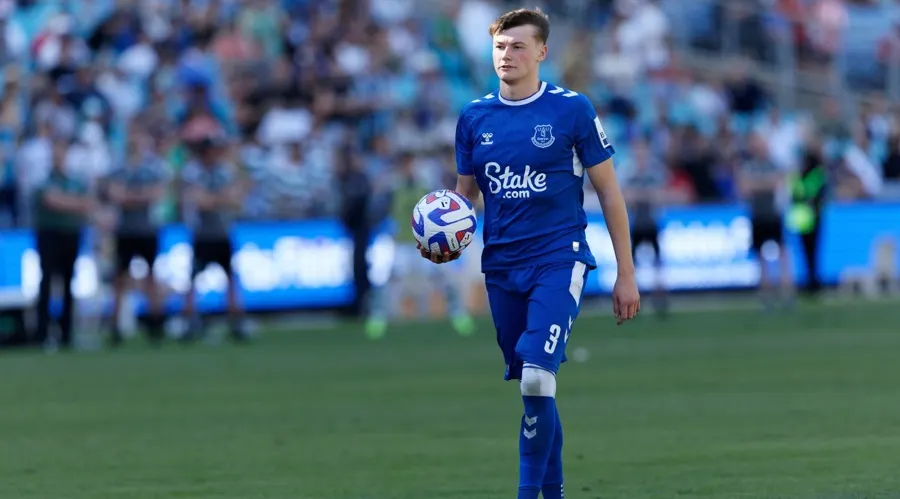
Marex took the bigger slot at Forest. In August it announced a multi-year principal partnership that made it the club's global markets partner and exclusive provider of foreign exchange and other financial services, extending to the women's football and netball teams. CMC Markets, the London-listed broker, became Everton's front-of-shirt sponsor and was reported in July to be in advanced talks with Fulham.
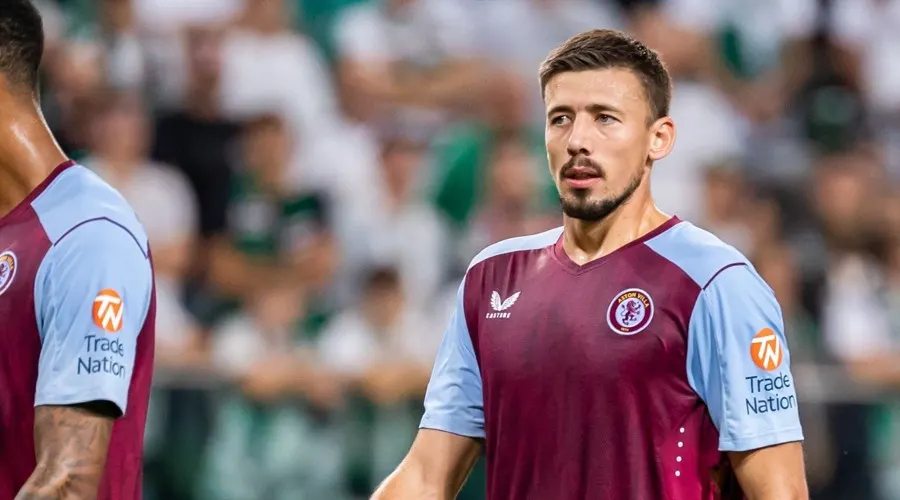
At the top of the table, EC Markets became an official global partner of Liverpool, the 2024-25 champions, in a multi-year deal. Trade Nation became Aston Villa's sleeve and trading partner in 2023. Spreadex, which held front-of-shirt deals with Burnley and Sunderland, now partners Watford in the Championship, which it says suits a firm licensed in the UK, Ireland and Denmark.
What each sponsor says it wants
The sponsors are strikingly frank that football does not deliver instant sign-ups. "Football sponsorship builds familiarity and trust over time rather than delivering immediate sign-ups," said Corey Prince, partnerships and sponsorships manager at Trade Nation, adding that the firm's communications are subject to FCA financial promotion rules, including risk warnings.
Geography is the common thread. eToro chooses clubs where its clients live. EC Markets' UK managing director Adam Saward said the firm looks at where a club's supporters are and whether that matches the markets where it sees future growth. Spreadex's head of marketing Andy MacKenzie made the same point from the other side: the Premier League's global audience is why overseas firms often take the front of the shirt.
A shirt deal does not sell a trading account on Saturday. It makes a brand familiar enough that someone trusts it on Tuesday.
Marex framed its deal around purpose as much as reach, linking it to work on women in financial services and financial literacy. Its head of brand and channels Jo Benton said it measures brand awareness and affinity, but also staff engagement, client engagement and goodwill. For a firm that sells mainly to institutions, that is a different kind of return from a retail broker's.
The FCA's warning to the clubs
The open shirt comes with a regulatory caveat. On 3 June 2026 the FCA said it had written directly to Premier League clubs about sponsorships with unauthorised financial firms, noting "a growth in partnerships with unauthorised firms, some of which are operating illegally". The letter warned of legal liability, money laundering risk and reputational damage, and said money received from an unauthorised firm may constitute criminal property.
The FCA identified 18 sponsorship arrangements between 13 clubs and financial services providers it had not authorised. It was careful about what that meant: a lack of authorisation did not necessarily mean the club was endorsing unlawful conduct or that UK law had been breached, and in most cases it found no evidence that the sponsor was acting unlawfully. The letter set out due diligence checks for clubs, starting with whether a firm is FCA-authorised or relies on an exemption.
That is why the beneficiaries so far are mostly UK-regulated brokers. CMC Markets, Trade Nation and Spreadex can show FCA authorisation; offshore brands aimed at Asian or African audiences face more questions. Some clubs now insist on upfront or front-loaded payment terms because some trading sponsors have failed to pay in the past, a sponsorship adviser told Finance Magnates.
What it means for brands in Asia
The Premier League's audience is global, and much of it is in Asia. That is exactly why offshore trading brands have wanted to be on the shirt, and exactly why the FCA's letter matters to them. A sponsor that cannot pass a UK club's due diligence is now less likely to get the most visible slots, even if its target customers are in Jakarta, Lagos or Dubai.
For financial brands thinking about football, the lessons from this season are practical:
- Match the club's audience to the markets you are licensed to serve.
- Expect due diligence on your licences, ownership and payment record before any contract.
- Budget for the long term; sponsors describe trust built over seasons, not sign-ups in a weekend.
- Plan activation beyond the logo, from content and hospitality to community programmes.
We have written about how sponsorship can build or burn a financial brand in our earlier analysis of whether football sponsorship is ROI or a trap for brokers. This season, the brokers winning the best slots are the ones that can show a regulator's name next to their own.
Why are there no betting logos on Premier League shirts this season?
The clubs agreed to end front-of-shirt gambling sponsorship from the 2026-27 season. Gambling brands can still appear on sleeves, training kits and hoardings.
Which trading firms sponsor Premier League clubs?
They include eToro (Nottingham Forest, Crystal Palace, Leeds United), Marex (Nottingham Forest), CMC Markets (Everton), EC Markets (Liverpool) and Trade Nation (Aston Villa).
Who is Everton's shirt sponsor?
CMC Markets became Everton's front-of-shirt sponsor, Finance Magnates reported.
What is Marex's deal with Nottingham Forest?
A multi-year principal partnership announced in August 2026, making Marex the club's global markets partner and exclusive provider of foreign exchange and other financial services.
Which clubs does eToro sponsor?
Nottingham Forest and Crystal Palace, and Leeds United and Leeds United Women for the 2026-27 season.
What did the FCA tell Premier League clubs?
In June 2026 it wrote to clubs warning about sponsorships with unauthorised financial firms, saying money from such firms may be criminal property and setting out due diligence checks.
How many unauthorised sponsors did the FCA find?
It identified 18 sponsorship arrangements between 13 clubs and financial services providers it had not authorised, while noting that did not necessarily mean UK law was breached.
How much did clubs lose from the gambling shirt ban?
Finance Magnates reported a collective hit of about £80 million a season to front-of-shirt revenue.
Do football sponsorships bring brokers new clients?
Sponsors say they build familiarity and trust over time rather than immediate sign-ups. Trade Nation said this directly.
Why does Spreadex sponsor a Championship club?
Its head of marketing said the Championship fits a firm licensed in the UK, Ireland and Denmark better than the Premier League's global audience.
Can offshore brokers still sponsor Premier League clubs?
They can, but the FCA's letter has made clubs more cautious, and UK-authorised firms find due diligence easier to pass.
How much have crypto and trading firms spent on the Premier League?
An estimated £400 million on partnerships between 2021 and 2026, Finance Magnates reported.
The Premier League has swapped bookmakers for brokers on its shirts, and the regulator has made sure the swap comes with paperwork. For trading brands, the shirt is open, but only to those who can show a licence and pay on time.
Talk to SpinDepth about football partnerships for financial brandsYou've finished this story
Read on, send it to someone, or ask about it.