 Media & Reputation
 Football
 Culture
 Experiences
 Advertising

On Tuesday 17 November, two regulators on opposite sides of the world said the same thing about contracts for difference. In Warsaw, Poland's deputy regulator said new CFD restrictions were coming soon. In Wellington, New Zealand's Financial Markets Authority published new licence conditions that will stop brokers letting retail clients trade derivatives they do not understand.
New Zealand's rule is more specific and has a date. From 18 November 2027, a derivatives issuer must assess suitability and confirm understanding before any retail trade, and must refuse the trade if either test fails. The FMA's own research explains why: it found some firms offering leverage of 500 to 1 and up to a quarter not checking suitability properly.
What changes in November 2027
The FMA has rewritten the standard conditions attached to derivatives issuer licences, the licence that brokers need to offer CFDs and other over-the-counter derivatives to New Zealanders. From 18 November 2027, issuers must obtain enough information to assess whether a product is suitable for a retail investor before allowing them to trade it, Finance Magnates reported.
Two further obligations go with it. Brokers must make sure investors understand the product and its risks, and they must not permit trading where the product is unsuitable or not understood. That last point matters: under the existing standard, issuers already assessed suitability, but in some circumstances could let a client proceed after a written warning. The new conditions close that route.
The FMA also introduced additional protections for firms that offer highly leveraged derivatives, designed to reduce the risk of significant losses while preserving access to higher-risk products where safeguards are in place. The regulator's impact statement describes a new leverage condition for certain issuers.
Why the FMA acted: 500 to 1 and weak checks
The rules rest on the FMA's own findings. Its derivatives issuer sector risk assessment rated suitability risk as high and found that up to 25 percent of firms may not be taking reasonable steps to assess whether derivatives are suitable for retail investors. It also found some issuers had offered leverage as high as 500 to 1.
The FMA's monitoring showed most retail investors use over-the-counter derivatives to speculate, and that high leverage creates "a greater chance of losing money". "Derivatives can be useful financial products, but they can also expose investors to significant risks, particularly where leverage is involved," FMA General Counsel Liam Mason said.
This has been building for years. In 2022 the FMA censured CTRL Investments for breaching its derivatives issuer licence conditions, and its supervision director said insufficient suitability checks remained a problem across the sector. The 2024 consultation then proposed both a 30 to 1 leverage limit on CFDs and a tougher suitability test; the final package puts the emphasis on suitability, with added protections for high-leverage products.

How Asia-Pacific regulators compare
New Zealand is joining a region that has mostly chosen hard leverage limits. Australia's ASIC has applied a product intervention order since 2021 that caps retail CFD leverage, including 30 to 1 on major currency pairs, and has moved to extend it. Japan caps retail forex leverage at 25 to 1, and Singapore applies its own limits for retail investors, as we set out in our comparison of forex leverage limits by country.
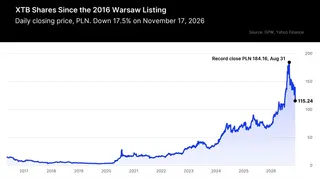
New Zealand's approach is different in emphasis. Rather than relying mainly on a number, it makes the broker responsible for deciding, case by case, whether a client should be trading a product at all, and for refusing if not. That is closer to the direction Poland's regulator is said to be considering, where tougher suitability assessment is expected to be part of any new intervention, as we reported in our coverage of XTB's share price fall.
A leverage cap tells a broker how much risk a client may take. A suitability rule tells the broker it may have to say no. The second is harder to market around.
The broad regional picture looks like this:
- Australia: hard leverage caps under ASIC's product intervention order, plus design and distribution obligations.
- Japan: a 25 to 1 cap on retail forex leverage.
- New Zealand: suitability and understanding tests before every retail trade from 2027, with added protections for high leverage.
- Much of Southeast Asia: retail forex CFDs largely served by offshore brokers outside local rules, with regulators relying on warnings.
What it means for brokers serving New Zealand
For the brokers that hold New Zealand derivatives issuer licences, the year ahead is about onboarding. They will need questionnaires and assessments that can withstand scrutiny, records showing why each client was judged suitable, and systems that actually block trading when a client fails. Firms offering very high leverage will face the added protections the FMA has described.
The cost will fall hardest on brokers whose New Zealand licence serves as a base for international marketing. A New Zealand licence has long been attractive because it sits in a respected jurisdiction with a relatively flexible regime. A stricter suitability test makes it more expensive to use that licence for high-volume, high-leverage client acquisition.
Clients will notice the change too. Expect longer application forms, knowledge tests with real consequences, and some applicants being told that a product is not available to them, which few brokers have had to say to New Zealand clients before.
There is also a timing advantage. A year's notice gives firms time to adapt, and the FMA has signalled that it prefers safeguards to bans. Brokers that treat 2027 as a design project rather than a compliance deadline will find it easier to keep clients who pass the test.
A week of tighter rules
New Zealand's announcement landed in a week that showed where retail CFD regulation is heading. Poland's KNF said new CFD limits were coming after 267,000 Polish clients lost nearly PLN 2 billion in a year, and in the UK, the FCA continued to prosecute unauthorised promoters of FX trading schemes. IG, eToro and other European brokers kept cutting costs, as we reported in our analysis of Europe's broker retreat.
For traders in Asia, the direct impact of New Zealand's rule is small unless they trade through a New Zealand entity. The indirect message is larger. Regulators are converging on the idea that leverage caps alone have not stopped retail losses, and that brokers should be accountable for who they let trade. That idea tends to travel.
What did New Zealand's FMA announce?
On 17 November 2026 it strengthened licence conditions for derivatives issuers, requiring suitability and understanding checks before retail clients trade, from 18 November 2027.
When do the new rules start?
On 18 November 2027.
What must brokers do under the new rules?
Gather enough information to judge whether a product suits a retail client, make sure the client understands it and its risks, and refuse trading where it is unsuitable or not understood.
Did New Zealand cap CFD leverage at 30 to 1?
The June 2024 consultation proposed a 30 to 1 limit. The final package focuses on suitability and adds protections for firms offering highly leveraged derivatives.
What leverage were some New Zealand issuers offering?
The FMA reported that some issuers had offered leverage as high as 500 to 1.
How many firms were failing suitability checks?
The FMA's sector risk assessment found up to 25 percent of firms may not be taking reasonable steps to assess suitability.
Why does the FMA want these rules?
Its monitoring showed most retail investors use OTC derivatives to speculate, and that high leverage creates a greater chance of losing money.
How does this compare with Australia?
Australia's ASIC caps retail CFD leverage under a product intervention order, including 30 to 1 on major currency pairs. New Zealand puts more emphasis on suitability.
Did any other regulator act the same day?
Yes. On 17 November Poland's KNF said a new CFD product intervention would come soon.
Does this affect traders in Southeast Asia?
Only those trading through a New Zealand-licensed entity. Most Southeast Asian retail traders use offshore entities outside these rules.
Can I still trade CFDs in New Zealand after 2027?
Yes, if a broker judges the product suitable for you and you understand it. The FMA has kept access to higher-risk products where safeguards exist.
What is a derivatives issuer licence?
The FMA licence that firms need to issue derivatives such as CFDs to retail investors in New Zealand.
New Zealand has chosen to make brokers decide who should trade, not just how much leverage they may use. It gave the industry a year to get ready, and it published the numbers that explain why: a quarter of firms falling short and leverage of 500 to 1.
Talk to SpinDepth about broker communication under new rulesYou've finished this story
Read on, send it to someone, or ask about it.