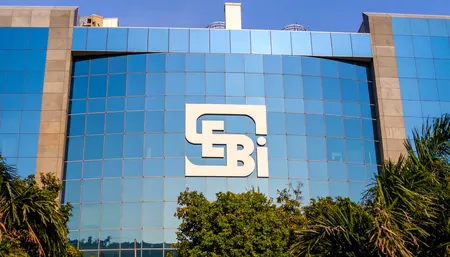
Can a trading course be illegal investment advice? India's securities regulator says it can, and it has just ordered one of the country's best known trading educators to pay back 546.17 crore rupees. The Securities and Exchange Board of India directed Avadhut Sathe Trading Academy and its founder, Avadhut Sathe, to refund money collected for investment advisory and research analyst services provided without registration, as reported by Lokmat News, citing IANS. Bloomberg put the sum at about 58 million dollars.
The order is one of the most forceful moves yet against finfluencers, the social media personalities and trainers who teach trading to millions of retail investors. For Southeast Asia, where trading influencers promote brokers, signals and courses on TikTok, YouTube and Telegram, India's approach offers a clear warning: education that turns into specific advice can carry a very large bill.
What SEBI ordered
In its final order, SEBI found that the academy had collected large sums for services that amounted to investment advice and research analysis without holding the required registrations. It directed the academy and Avadhut Sathe to refund 546.17 crore rupees to investors, depositing the amount in a dedicated bank account within five months.
Sathe was barred from accessing the securities market for two years or until the refund is completed, whichever is later. The respondents must also publish notices within 30 days in an English, a Hindi and a local language newspaper to inform affected investors. Any amount left after refunds will be held in escrow by SEBI for a year for possible distribution to other clients, then transferred to the Investor Protection and Education Fund.
SEBI also imposed penalties totalling 11.5 crore rupees: 6 crore on the academy, 4 crore on Avadhut Sathe and 1.5 crore on Gauri Sathe, to be paid within 45 days. Bank accounts of the parties were frozen to ensure compliance, according to the IANS report.
Why the line between teaching and advising matters
Trading education is legal in India and across Asia. The problem arises when a course moves from teaching concepts to telling participants which stocks or options to trade, at what prices, often in live sessions or private groups. Regulators treat that as investment advice or research, which requires registration, qualifications, disclosures and conflict of interest controls.
India has been tightening the rules. SEBI has restricted regulated entities from associating with unregistered finfluencers and has pursued several cases against people who presented advice as education. Its chairman has also spoken about graded compliance for stockbrokers and an AI sandbox, signalling a regulator that is actively reshaping retail market oversight.
A trading course becomes an advisory business the moment the teacher tells students what to buy and when. Regulators across Asia are drawing that line in rupees, baht and ringgit.
The scale of the refund is what makes this case stand out. A 546 crore rupee order shows how much money popular trading educators can collect, and how seriously the regulator views unregistered advice delivered at scale.

What it means for Southeast Asia
Southeast Asia's retail trading boom has created a similar ecosystem of influencers, courses and signal groups, often promoting offshore forex and CFD brokers. Regulators are responding. Thailand's SEC has warned about forex promotions and unlicensed brokers, Malaysia's Securities Commission maintains an investor alert list of unauthorised entities, and Singapore requires licences for financial advisory services. Malaysia is also pursuing market abuse more aggressively, as we covered in our report on the corporate mafia crackdown.
The common challenge is enforcement across borders and platforms. Many influencers operate from abroad or through messaging apps, making it hard for regulators to reach them. India's order, which combines refunds, market bans, penalties and asset freezes, shows what a regulator can do when the respondents are within its jurisdiction. We examined the compliance risks for brokers in our report on the finfluencer problem facing brokers.
The key warning signs for retail investors include:
- Courses that promise specific trade calls, entry and exit points or guaranteed returns
- Paid signal groups on Telegram, WhatsApp or other messaging apps
- Influencers who earn commissions from brokers they promote without disclosure
- Pressure to upgrade to expensive mentorship or premium tiers
- No registration with the local securities regulator
What comes next
For the respondents, the next steps are compliance or appeal. Orders like this can be challenged before India's Securities Appellate Tribunal, and the final outcome may take time. For investors who paid for the academy's services, the published notices will explain how to claim refunds.
For the wider market, the case is a signal that regulators are prepared to treat large scale trading education businesses as advisory firms when the content crosses the line. Expect more cases in India and growing pressure across Southeast Asia to apply similar standards to the influencers shaping a new generation of retail traders.

What did SEBI order against Avadhut Sathe?
SEBI ordered Avadhut Sathe Trading Academy and Avadhut Sathe to refund 546.17 crore rupees collected for unregistered investment advisory and research analyst services.
How much is 546 crore rupees in dollars?
Bloomberg put the refund at about 58 million dollars.
Is Avadhut Sathe banned from the market?
Yes. He is barred from the securities market for two years or until the refund is completed, whichever is later.
What penalties did SEBI impose?
SEBI imposed penalties totalling 11.5 crore rupees: 6 crore on the academy, 4 crore on Avadhut Sathe and 1.5 crore on Gauri Sathe.
How long do they have to refund investors?
The refund must be deposited in a dedicated bank account within five months.
Why was the trading academy penalised?
SEBI found it provided investment advisory and research analyst services without the required registrations.
What happens to unclaimed refund money?
It will be held in escrow by SEBI for a year, then transferred to the Investor Protection and Education Fund.
Is trading education illegal in India?
No. Education is legal, but giving specific investment advice or research without registration is not.
Can the order be appealed?
SEBI orders can generally be challenged before India's Securities Appellate Tribunal.
What is a finfluencer?
A finfluencer is a social media personality who shares financial or investment content, sometimes including advice or promotions.
Do Southeast Asian regulators police finfluencers?
Yes. Thailand's SEC, Malaysia's Securities Commission and Singapore's MAS all regulate financial advice and promotions, though cross border enforcement is difficult.
How can investors spot risky trading courses?
Be wary of guaranteed returns, specific trade calls, paid signal groups, undisclosed broker commissions and unregistered providers.
Were bank accounts frozen?
Yes. Bank accounts of the parties were frozen to ensure compliance with the order, according to IANS.
Who is Gauri Sathe?
Gauri Sathe was named in the order and penalised 1.5 crore rupees.
When did SEBI issue the order?
SEBI's final order against Avadhut Sathe Trading Academy was reported on 24 October 2026.
What services were unregistered?
SEBI found the academy provided investment advisory and research analyst services without the registrations Indian law requires.
Do the respondents have to publish notices?
Yes. They must publish notices within 30 days in an English, a Hindi and a local language newspaper to inform affected investors.
What is the Investor Protection and Education Fund?
It is a SEBI fund used for investor education and protection, which will receive any refund money left unclaimed after a year in escrow.
Are other finfluencers under scrutiny in India?
SEBI has pursued several cases against people presenting advice as education and has restricted regulated firms from working with unregistered finfluencers.
What did SEBI's chairman say recently?
SEBI chairman Tuhin Kanta Pandey has spoken about graded compliance for stockbrokers, an AI sandbox and bond market reforms.
How can investors claim a refund?
Affected investors should follow the instructions in the public notices the respondents are required to publish.
Why do regulators target trading courses?
Courses that move into specific trade calls can expose students to unregulated advice and undisclosed conflicts of interest.
What is a research analyst under SEBI rules?
A research analyst prepares and publishes research or recommendations on securities and must be registered with SEBI.
How much was Avadhut Sathe fined personally?
SEBI imposed a penalty of 4 crore rupees on Avadhut Sathe, alongside 6 crore on the academy and 1.5 crore on Gauri Sathe.
How long is the market ban?
Avadhut Sathe is barred for two years or until the refund is completed, whichever is later.
What is unregistered investment advice?
It is personalised or specific recommendations on securities given for a fee without registration as an investment adviser.
India's 546 crore rupee order against a popular trading academy marks a turning point in the regulation of finfluencers. By treating large scale trading education that crosses into advice as an unregistered advisory business, SEBI has shown how costly the line can be. Southeast Asian regulators, facing their own wave of trading influencers, now have a clear precedent to study.
Talk to the SpinDepth deskYou've finished this story
Read on, send it to someone, or ask about it.