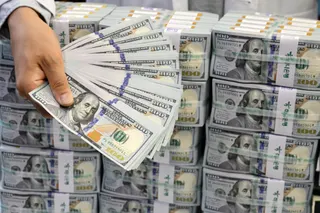

How is India defending the rupee? With a mix of dollars, rules and a special lifeline for oil companies. The Reserve Bank of India announced measures on 10 October that include supplying dollars directly to three state owned oil companies, tightening limits on speculative currency derivatives and requiring a new cash reserve on some contracts, as reported by Analytics Insight. The rupee had closed at 96.73 per dollar on 9 October, close to its record low of 96.96 set in May.
The cost is rising. Economists estimate that 75 to 80 billion dollars has gone into spot dollar sales and swaps since early June, about half of a 140 billion dollar cushion the RBI built this year, according to Outlook Business. For Southeast Asian central banks facing similar pressure from oil and the dollar, India's playbook, and its price tag, are worth studying.
What the RBI announced
The centrepiece is a special dollar window for oil companies. From 12 October, the RBI began meeting the daily dollar requirements of Indian Oil Corporation, Bharat Petroleum Corporation and Hindustan Petroleum Corporation through designated banks. Because India imports large amounts of crude, these companies are among the biggest buyers of dollars, so taking their demand out of the spot market reduces pressure on the rupee.
The RBI also tightened derivatives rules. It restricted the rebooking of cancelled rupee linked foreign exchange derivative contracts, and cut the threshold for certain derivative positions without documented underlying exposure from 100 million dollars to 5 million dollars, a change that also covers exchange traded currency derivatives. The aim is to limit large speculative bets against the rupee.
A new Foreign Exchange Risk Reserve requirement applies to specified rupee linked derivative contracts above 2 million dollars, with authorised dealers required to hold a cash reserve equal to 20 percent of the transaction's rupee value. Additional documentation rules require users to confirm that another dealer has not hedged the same exposure, to prevent duplicate hedging.
Why the rupee is under pressure
The pressures will sound familiar to anyone watching Southeast Asian currencies. Costlier oil, a spike in US Treasury yields and continued selling by foreign equity investors have kept the rupee weak, according to Outlook Business. Brent crude settled near 117 dollars last week, a six month high, which increases India's import bill.
Reserves have been falling. India's foreign exchange reserves dropped 12.95 billion dollars to 734.6 billion dollars in the week ended 2 October, the fourth consecutive weekly decline, leaving them around 51 billion dollars below September's record high. That is still a large buffer, but the pace of decline shows the cost of defending the currency.
Every central bank can defend its currency for a while. The question is whether it is buying time for the pressure to pass or spending reserves against a tide.
The RBI has also signalled broader vigilance. Its governor said he is open to using interest rates to curb financial risks, and the bank announced new leverage rules for banks from 1 April 2027, according to reports. India's repo rate stands at 5.50 percent.

What Southeast Asia can learn
Several Southeast Asian central banks face the same mix of high oil prices, a strong dollar and foreign outflows. The Philippine peso hit its 31st record low of the year last week, and Bank Indonesia is defending the rupiah near 18,000 per dollar with hedging incentives and a higher deposit rate, as we covered in our report on Bank Indonesia's quiet tightening.
India's approach shows the options available. A dedicated dollar window for oil importers removes the largest source of dollar demand from the market. Tighter derivative rules reduce speculation. Reserve requirements on contracts raise the cost of betting against the currency. But each tool has costs, from drawing down reserves to making hedging harder for legitimate businesses. The main tools in India's playbook include:
- A direct dollar supply window for state oil importers
- Lower thresholds for derivative positions without underlying exposure
- Limits on rebooking cancelled currency contracts
- A cash reserve requirement on large rupee linked derivatives
- Spot dollar sales and swaps funded from reserves
The risks of a long defence
Defending a currency against fundamental pressure can be expensive. If oil stays high and the Fed remains hawkish, the RBI may have to keep spending reserves or accept further depreciation. A former RBI official warned that using the rupee as a stabiliser can hurt the real economy, according to reports, reflecting debate over how hard to resist.
Tighter derivative rules can also have side effects. Exporters, importers and foreign investors who need to hedge legitimate exposures may find it harder or more expensive, potentially discouraging investment.
The coming weeks will be decisive. The Fed's decision on 28 October, oil prices and foreign portfolio flows will determine whether India's measures are enough to stabilise the rupee or whether more reserves, or a weaker currency, will be needed.

Why is the Indian rupee falling?
Costlier oil, a spike in US Treasury yields and foreign equity outflows have kept the rupee weak near record lows.
What is the rupee's record low?
The rupee's record low is 96.96 per dollar, set in May 2026. It closed at 96.73 on 9 October.
What is the RBI's dollar window for oil companies?
From 12 October, the RBI began supplying the daily dollar needs of Indian Oil, Bharat Petroleum and Hindustan Petroleum through designated banks.
What derivative rules did the RBI change?
It cut the threshold for certain positions without underlying exposure from 100 million to 5 million dollars and restricted rebooking of cancelled contracts.
What is the Foreign Exchange Risk Reserve?
It requires authorised dealers to hold a cash reserve equal to 20 percent of the rupee value of specified derivative contracts above 2 million dollars.
How large are India's forex reserves?
Reserves were 734.6 billion dollars in the week to 2 October 2026, after a fourth weekly decline.
How much has the RBI spent defending the rupee?
Economists estimate 75 to 80 billion dollars has gone into spot sales and swaps since 8 June, according to Outlook Business.
What is India's repo rate?
The RBI's repo rate is 5.50 percent.
Are other Asian currencies under similar pressure?
Yes. The Philippine peso and Indonesian rupiah are also under pressure from high oil prices and a strong dollar.
Do derivative curbs hurt businesses?
They can make legitimate hedging harder or more expensive for exporters, importers and investors.
Will the RBI raise interest rates?
The governor has said he is open to using rates to curb financial risks, but no rate decision has been announced.
How does the Fed affect the rupee?
A hawkish Fed and high US yields strengthen the dollar and draw capital away from emerging markets, pressuring the rupee.
What are the new bank leverage rules?
The RBI announced new leverage rules for banks that take effect from 1 April 2027, according to reports.
Why do oil companies matter for the rupee?
Oil companies are among India's biggest buyers of dollars because the country imports large amounts of crude.
What happened to India's reserves in early October?
Reserves fell 12.95 billion dollars to 734.6 billion dollars in the week ended 2 October, their fourth straight weekly decline.
How far are reserves below their peak?
Reserves were about 51 billion dollars below September's record high as of early October 2026.
What is duplicate hedging?
Duplicate hedging occurs when the same underlying exposure is hedged with more than one dealer. The RBI now requires users to confirm this has not happened.
Why does the RBI supply dollars to oil firms?
Supplying dollars directly reduces oil companies' purchases in the spot market, easing pressure on the rupee, though it draws on reserves.
Which oil companies get RBI dollars?
Indian Oil Corporation, Bharat Petroleum Corporation and Hindustan Petroleum Corporation receive dollars through designated banks from 12 October.
How much of the RBI's cushion has been used?
Economists estimate about half of the 140 billion dollars the RBI raised through special measures this year has been used, according to Outlook Business.
Can rupee contracts still be rolled over?
Yes. Existing rules still permit rollovers at maturity, but users cannot rebook eligible contracts cancelled after the new directions take effect.
What does a weak rupee mean for India?
It raises import costs, especially for oil, and adds to inflation, while helping exporters earn more in rupee terms.
What is the RBI's repo rate?
The RBI's repo rate stands at 5.50 percent, according to reports.
When were the new measures announced?
The RBI announced the package on 10 October 2026, with the oil company dollar window starting on 12 October.
India's rupee defence combines direct dollar support for oil importers, tighter derivative rules and heavy use of reserves. The measures can buy time, but their cost is rising as oil stays high and the dollar stays strong. For Southeast Asian central banks facing the same pressures, India offers a clear playbook, and a reminder that reserves are finite.
Talk to the SpinDepth deskYou've finished this story
Read on, send it to someone, or ask about it.