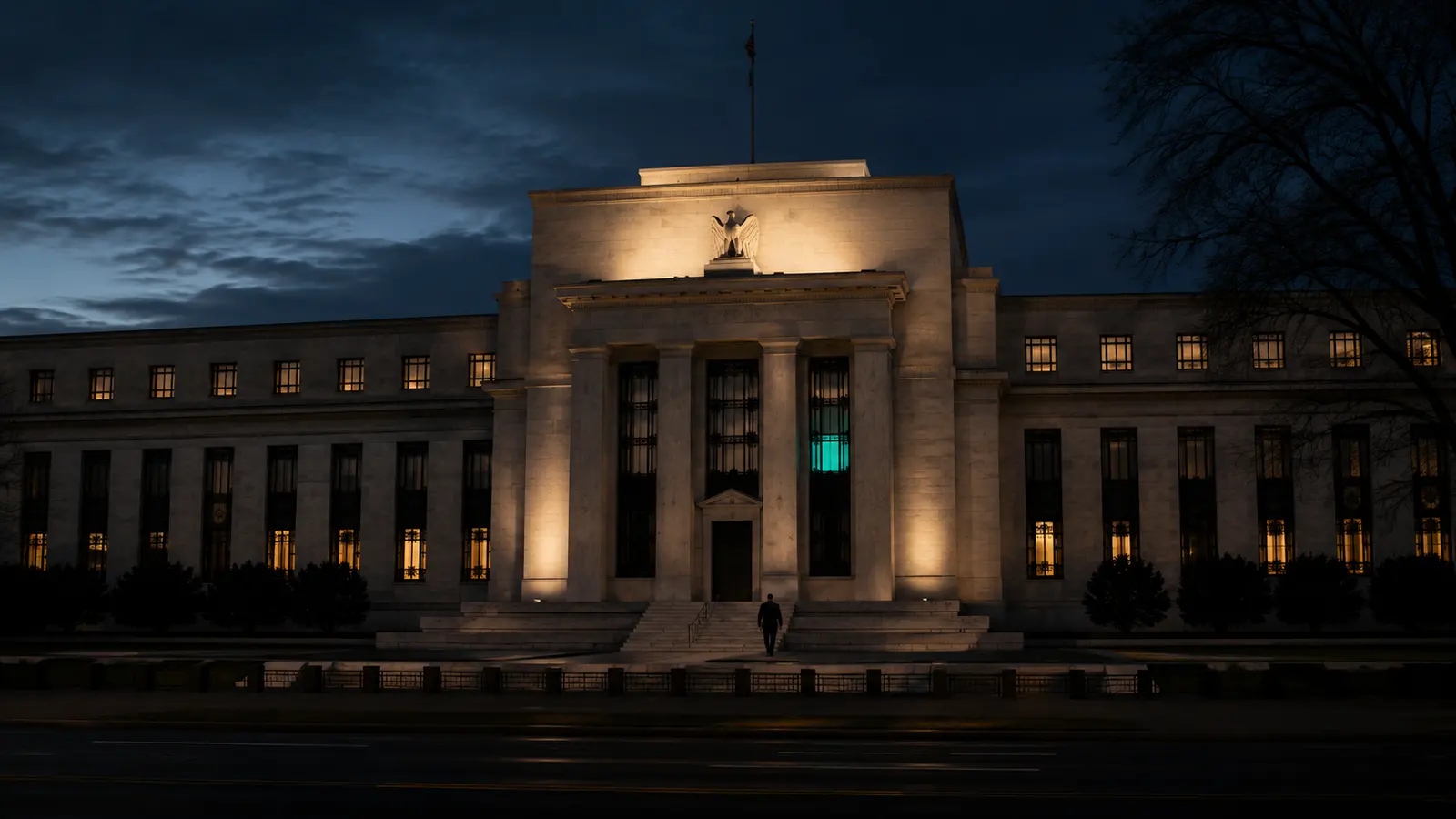
What time is the Fed decision in Asia? The Federal Reserve announces its policy decision at 2 p.m. Eastern time on Wednesday 28 October, which is 1 a.m. on Thursday in Bangkok and Jakarta, and 2 a.m. in Singapore, Kuala Lumpur and Manila. Chair Kevin Warsh's press conference follows 30 minutes later. By the time most of Southeast Asia wakes up on Thursday, currencies, bonds and crypto will already have moved.
The decision itself looks settled. Prediction markets priced a hold at about 94 percent as of 24 October, according to DeFi Rate, and a Reuters poll found 94 of 100 economists expected rates to stay at 3.75 to 4.00 percent. The real question is what Warsh signals about December. With US inflation at 3.7 percent and oil near 117 dollars, a hawkish tone could hit Asian currencies even if rates do not change.
Why a hold is almost certain
The Fed raised rates in September, taking its target range to 3.75 to 4.00 percent, and officials have since signalled they are comfortable waiting. Michelle Bowman, the Fed's vice chair for supervision, said in Bangkok that inflation remains above the 2 percent goal but that there was "time to wait and see" before taking more action, according to the New York Post.
Warsh himself gave markets little to work with. Speaking at an economic conference in Bangkok on 16 October, he declined to provide forward guidance. "It's a new chapter at the Fed, and we're not in that business anymore," he said. "I don't prejudge meetings." Traders read his silence as a sign that a second hike would wait until December, and the odds of an October hold jumped above 85 percent that day.
Politics also matters. The meeting comes less than a week before the US midterm elections on 3 November, and a surprise hike so close to the vote would be extraordinary. One strategist quoted by the Post expected Warsh and his colleagues to tiptoe past the elections without a further hike, with a December move looking close to a foregone conclusion.
Why inflation keeps December in play
The numbers are uncomfortable. US consumer prices rose 3.7 percent in September from a year earlier, driven largely by energy costs linked to the war with Iran, and producer prices jumped 6.3 percent, suggesting more pressure is coming through supply chains. Long term Treasury yields have stayed stubbornly near or above 5 percent.
PIMCO expects the Fed to hold with a clear tightening bias, and sees a 25 basis point hike in December as the most likely next move, according to its October preview. The phrase to watch in the statement and press conference is any language suggesting further firming may be appropriate, the kind of signal that would lock in December expectations.
A hold that sounds like a promise to hike is not a dovish outcome. For Asian currencies, the tone matters more than the decision.
Warsh has also offered a broader view of the global cycle. In Bangkok, he described "synchronous tightening in monetary policy" by central banks around the world as a positive development, meaning there are "no free riders", as we covered in our report on Warsh's Bangkok remarks.
What the Fed means for Asian currencies
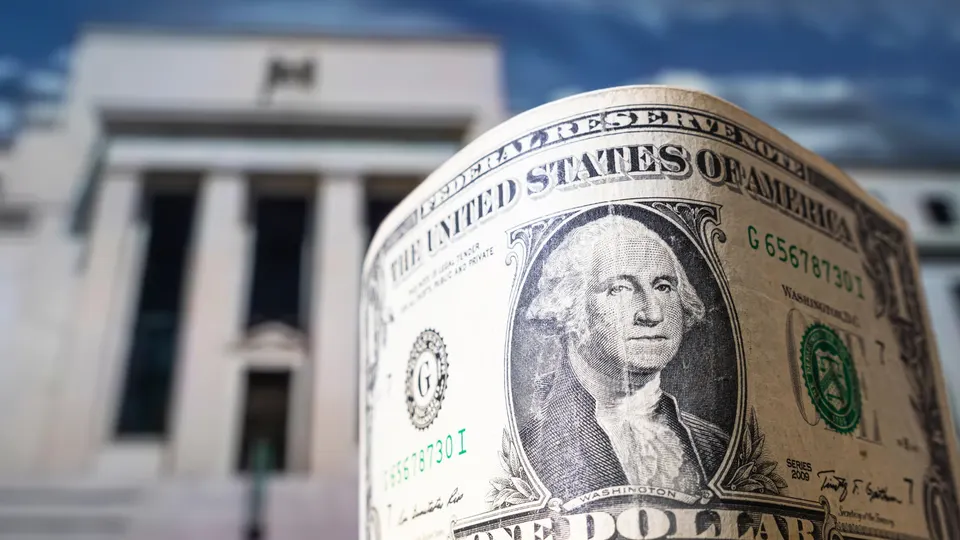
For Southeast Asia, the Fed's message travels through the dollar. A hawkish hold that strengthens the dollar would add pressure on currencies already near record lows. The Philippine peso hit its 31st record low of the year last week despite a 50 basis point hike by the Bangko Sentral, as we reported in our analysis of the peso's record low, and the rupiah has traded near 18,000 per dollar.
A softer message would give regional central banks breathing room. Bank Indonesia held its policy rate in October while quietly tightening through its deposit facility, and a less hawkish Fed would make that approach easier to sustain. The key Asian market channels to watch include:
- The US dollar index and its effect on the peso, rupiah, ringgit and baht
- US Treasury yields, which influence Asian bond markets and capital flows
- Bitcoin and other risk assets, which have traded around 80,000 dollars
- Gold, which fell below 4,000 dollars last week on rate fears
- Policy decisions at the Bank of Japan on 30 October and the Reserve Bank of Australia on 3 November
Three scenarios for tonight
The base case is a hawkish hold: rates unchanged, with language and press conference comments that keep a December hike on the table. In that case, expect a firmer dollar, steady to higher yields and modest pressure on Asian currencies and risk assets.
A dovish hold is the second scenario. If Warsh emphasises the risks from the AI driven tech sell off, softer job growth or tighter financial conditions, markets could price out some December risk, supporting Asian currencies, gold and crypto.
The tail risk is a surprise hike. Markets give it only about a 6 percent chance, but September's inflation data showed pressure spreading beyond energy. A hike would hit emerging market currencies hard and likely force more defensive moves from central banks in Manila, Jakarta and beyond.
How to prepare as a trader or business
Volatility tends to spike in the minutes after the statement and again during the press conference. For traders in Asia, that happens overnight, so stop losses and position sizes matter more than usual. Businesses with dollar payments due in coming weeks may consider hedging ahead of the event rather than after.
The bigger lesson is that the Fed's October meeting is about December. Whatever happens tonight, the next inflation report, the November jobs data and oil prices will decide whether the Fed raises rates again before the year ends.

What time is the Fed decision in Bangkok?
The decision is announced at 2 p.m. Eastern time on 28 October, which is 1 a.m. on Thursday 29 October in Bangkok and Jakarta.
What time is the Fed decision in Singapore and Manila?
It is 2 a.m. on Thursday 29 October in Singapore, Kuala Lumpur and Manila.
Will the Fed raise rates in October 2026?
A hold is widely expected. Prediction markets priced a hold at about 94 percent, and 94 of 100 economists in a Reuters poll expected no change.
What is the current Fed interest rate?
The target range is 3.75 to 4.00 percent after the Fed raised rates in September 2026.
Who is the Fed chair?
Kevin Warsh is chair of the Federal Reserve.
What did Warsh say in Bangkok?
He declined to give forward guidance, saying "we're not in that business anymore", and called synchronous global tightening a positive development.
What was US inflation in September 2026?
Consumer prices rose 3.7 percent year on year and producer prices 6.3 percent, according to the New York Post.
Will the Fed hike in December?
PIMCO sees a December hike as the most likely next move, and several strategists consider it close to a foregone conclusion if inflation stays high.
How does the Fed affect the Philippine peso?
A hawkish Fed tends to strengthen the dollar, adding pressure on the peso, which hit record lows in October 2026.
How does the Fed affect bitcoin?
Higher rates and a stronger dollar usually weigh on risk assets such as bitcoin, while a softer tone can support them.
Why would the Fed avoid hiking before the midterms?
A surprise hike less than a week before the 3 November midterms would be unusual, and officials have signalled comfort with waiting.
What other central banks meet soon?
The Bank of Japan decides on 30 October and the Reserve Bank of Australia on 3 November.
What is a hawkish hold?
A hawkish hold keeps rates unchanged while signalling that future hikes remain likely, which can strengthen the dollar.
Should businesses hedge before the Fed?
Businesses with near term dollar payments may consider hedging ahead of the event, as volatility often rises after the announcement.
What did Michelle Bowman say about rates?
Fed vice chair for supervision Michelle Bowman said in Bangkok that inflation remains above the 2 percent goal, but that there was time to wait and see before taking more action.
What did markets do after Warsh's Bangkok remarks?
The odds of an October hold jumped above 85 percent from about 72 percent the day before, according to CME FedWatch data cited by the New York Post.
How high are US Treasury yields?
Long term US Treasury yields have stayed near or above 5 percent, which strengthens the dollar and raises borrowing costs around the world.
The Fed is almost certain to hold tonight, but the decision is not the story. The story is whether Kevin Warsh signals a December hike in a world of 3.7 percent inflation and 117 dollar oil. For Southeast Asian currencies already under strain, a hawkish tone could matter as much as a rate move, and the answer will arrive while most of the region is asleep.
Talk to the SpinDepth deskYou've finished this story
Read on, send it to someone, or ask about it.