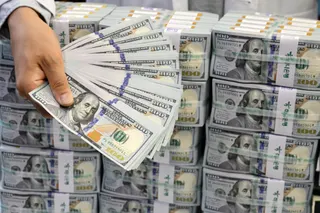
Did Bank Indonesia raise rates in October? Not the headline rate, but it did tighten. On 21 October the central bank kept its benchmark BI Rate at 5.75 percent, surprising roughly half of economists who had expected a hike, while raising its overnight deposit facility rate to 5 percent and expanding incentives for currency hedging instruments, as reported by IDNFinancials.
The decision came at one of the most stressful moments for Indonesian markets in decades. The MSCI downgrade threat had just triggered a record stock sell off, the rupiah was trading near 18,000 per dollar and oil was climbing toward 117 dollars. Bank Indonesia chose a technical response over a dramatic one, betting that targeted tools can steady the currency without the growth cost of a full rate hike.
What did Bank Indonesia decide?
After its board meeting on 20 and 21 October, Bank Indonesia held the BI Rate at 5.75 percent, kept the lending facility rate at 6.50 percent and raised the deposit facility rate to 5.00 percent, according to IDNFinancials and Bisnis.com. The central bank had last raised its main rate in June, by 25 basis points to 5.75 percent, after a total of 100 basis points of hikes earlier in the year.
Expectations had been evenly split. A Bloomberg survey found 19 of 38 economists expecting a hike and 19 expecting a hold, and some market previews had priced a move to 6 percent. That made the hold a modest surprise, although the deposit rate increase meant policy still moved in a tighter direction.
Governor Destry Damayanti tied the decision to an expansion of policy incentives for domestic non deliverable forwards, hedging and other Bank Indonesia instruments. She said these are designed to attract foreign capital, maintain exchange rate stability and accelerate the deepening of the money and foreign exchange markets.
Why raising the deposit rate matters
The deposit facility rate is what banks earn when they park spare cash with the central bank overnight. Raising it from 4.75 percent to 5 percent narrows the corridor between the deposit and policy rates and increases the return on holding rupiah liquidity. In practice, it nudges short term market rates higher and makes it slightly more attractive to keep money in rupiah rather than convert it to dollars.
It is a quieter form of tightening than a headline hike. It supports the currency at the margin without raising the benchmark rate that feeds directly into loans for businesses and households, which matters in an economy where growth and credit demand are already under pressure.
Bank Indonesia did not raise the rate everyone watches. It raised the rate the money market feels. That is tightening without the headline.
The broader strategy has been consistent this year. Bank Indonesia has repeatedly intervened in currency markets and has said it no longer relies on interest rates alone to support the rupiah, preferring a mix of market operations, hedging tools and targeted rate moves.
What is a DNDF and why is Bank Indonesia pushing it?
A domestic non deliverable forward, or DNDF, is a currency hedging contract settled in rupiah rather than by exchanging dollars. Companies and investors use it to lock in an exchange rate for the future, protecting themselves against rupiah weakness without having to buy dollars today.
That is exactly why Bank Indonesia wants more of them. If exporters, importers and foreign investors can hedge onshore, they are less likely to rush into dollars when the currency wobbles, which reduces panic driven selling. Deeper hedging markets also make Indonesian assets easier for foreign funds to hold, because they can manage currency risk locally.
The timing is pointed. Foreign investors were rattled by MSCI's proposal to downgrade Indonesia to standalone market status, which we covered in our report on the MSCI downgrade threat and stock crash. Making it cheaper and easier to hedge rupiah exposure is one way to keep foreign money from leaving.
How the rupiah reacted
The rupiah traded near 17,970 per dollar before the announcement. Afterward it weakened slightly, by about 0.03 percent, but stayed below the psychologically important 18,000 level. It has fallen about 7.9 percent since the start of the year, pressured by high oil prices, a strong dollar and domestic policy concerns.
Analysts are divided on whether the approach will hold. Some, such as Commerzbank, have said the policy mix supports the currency even as challenges persist. Others argue that if oil keeps rising and the Federal Reserve stays hawkish, Bank Indonesia will eventually need to raise the headline rate. The factors that will decide the rupiah's path include:
- Oil prices, which drive Indonesia's import bill and fuel subsidy costs
- The Federal Reserve's decision on 28 October and the path of US yields
- Foreign portfolio flows after the MSCI downgrade threat
- Uptake of DNDF and other hedging instruments by corporates and investors
- Inflation, which Bank Indonesia targets at 1.5 to 3.5 percent for 2026 and 2027
What it means for borrowers and investors
For Indonesian borrowers, the hold is welcome. Loan rates linked to the BI Rate will not rise immediately, giving businesses and households some breathing room after 100 basis points of hikes this year. Banks may still face higher funding costs as short term rates drift up, so lending rates could edge higher over time.
For investors, the decision signals that Bank Indonesia will defend the rupiah with targeted tools first and rate hikes second. That reduces the risk of a sudden, growth damaging hike, but leaves the currency vulnerable if external pressure intensifies. Holders of Indonesian bonds and stocks will watch whether hedging incentives draw foreign money back after October's turmoil.
The next test comes quickly. The Fed decision this week, oil prices above 115 dollars and the continuing MSCI saga will all feed into the rupiah, and Bank Indonesia's next move will depend on whether its quieter tools are enough.

What did Bank Indonesia decide in October 2026?
Bank Indonesia kept the BI Rate at 5.75 percent on 21 October 2026, raised the deposit facility rate to 5.00 percent and held the lending facility rate at 6.50 percent.
Was a rate hike expected?
Economists were split. A Bloomberg survey found 19 of 38 expected a hike, while 19 expected a hold.
Why did Bank Indonesia raise the deposit facility rate?
Raising the deposit rate narrows the policy corridor and makes holding rupiah liquidity more attractive, supporting the currency without lifting the headline rate.
What is a DNDF?
A domestic non deliverable forward is a currency hedging contract settled in rupiah, letting firms lock in exchange rates without buying dollars.
Why does Bank Indonesia want more DNDF use?
More onshore hedging reduces panic buying of dollars, supports exchange rate stability and makes Indonesian assets easier for foreign investors to hold.
What is the rupiah exchange rate?
The rupiah traded near 17,970 per dollar before the decision and stayed below 18,000 afterward.
How much has the rupiah fallen in 2026?
The rupiah has weakened about 7.9 percent since the start of 2026.
How much has Bank Indonesia raised rates this year?
Bank Indonesia raised rates by 100 basis points earlier in 2026, with its last hike in June taking the BI Rate to 5.75 percent.
Who is the governor of Bank Indonesia?
Destry Damayanti is the governor of Bank Indonesia.
What is Bank Indonesia's inflation target?
Bank Indonesia targets inflation of 1.5 to 3.5 percent for 2026 and 2027.
How does the MSCI threat affect the rupiah?
MSCI's proposed downgrade triggered a stock sell off and raised the risk of foreign outflows, which can weaken the rupiah.
Will loan rates rise in Indonesia?
Rates linked to the BI Rate will not rise immediately, but higher short term market rates could push some lending rates up over time.
What could force a rate hike?
Sustained high oil prices, a hawkish Federal Reserve or heavy foreign outflows could push Bank Indonesia toward raising the BI Rate.
When is the next Bank Indonesia meeting?
Bank Indonesia holds monthly board meetings, so the next policy decision is expected in November 2026.
What is the BI Rate?
The BI Rate is Bank Indonesia's benchmark policy rate, used to guide short term market interest rates and bank lending rates across the economy. It stood at 5.75 percent after the October 2026 meeting.
Why did Bank Indonesia not raise the BI Rate?
Governor Destry Damayanti linked the decision to expanded incentives for hedging instruments such as DNDF, which aim to attract foreign capital and stabilise the rupiah without raising borrowing costs across the economy.
What happened to Indonesian stocks after the decision?
Jakarta stocks gained in the days that followed, helped by purchases from state fund Danantara and market reforms announced after the MSCI warning.
Bank Indonesia's October decision shows a central bank trying to defend its currency with precision rather than force. By holding the headline rate, nudging up the deposit rate and widening hedging incentives, it is protecting growth while signalling that it takes the rupiah's weakness seriously. Whether that balance holds will depend on oil, the Fed and the confidence of foreign investors after the MSCI shock.
Talk to the SpinDepth deskYou've finished this story
Read on, send it to someone, or ask about it.