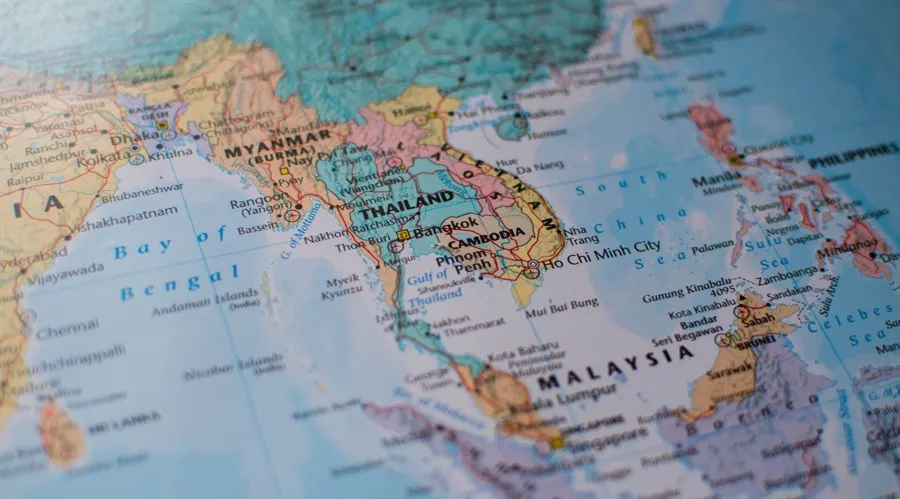
Is Southeast Asia the next big market for brokers? The numbers say yes, but the economics say be careful. Indonesia's retail investor population has risen from 3.9 million in 2020 to more than 20 million, and international firms including Robinhood, South Korea's Hanwha Investment and Securities and Singapore based Doo Financial are expanding or seeking opportunities there, as reported by Finance Magnates, citing a Straits Times report.
The catch is that more customers do not automatically mean more profit. A Deloitte Thailand study describes a brokerage industry squeezed by declining trading volumes, margin compression and rising costs, and predicts consolidation. For traders choosing a platform, and for brokers deciding where to invest, the region's boom is real but uneven, and the winners will not simply be the biggest advertisers.
Why brokers are rushing into Southeast Asia
The demand side is compelling. A September 2026 survey of 1,200 consumers across Indonesia, Singapore, Malaysia, Thailand, the Philippines and Vietnam found that two thirds already invest and another 26 percent plan to start within 12 months. Rising incomes, urbanisation and a growing middle class are expanding the pool of people able to invest, and younger consumers are comfortable with digital platforms and assets beyond savings accounts.
Younger investors are also adventurous. Around three quarters of cryptocurrency investors in Indonesia are between 18 and 35, according to the country's commodity futures regulator, and almost a quarter of Malaysian Gen Z and millennials hold crypto. CME Group's Neil Pabari said retail participation in CME markets from the wider Asia Pacific region has grown 16 percent over five years, with heightened activity this year in precious metals and oil futures.
Technology lowers the cost of entry. App based onboarding, digital identity checks, electronic payments and low minimum deposits let brokers serve customers without branches, and social media and trading communities help them reach new users by language and interest.
The Robinhood test in Indonesia
Indonesia shows both the promise and the difficulty. Robinhood announced in December 2025 that it would acquire two Indonesian businesses to establish a local presence, with an initial target of completing the deals in the first half of 2026. The acquisitions have not been publicly confirmed as completed, and the reported target for a full local app launch is now early 2027.
That gap between announcement and launch is a reminder that entering Southeast Asian markets takes time. Licences, local partners, payment integrations and compliance systems all have to be in place before a broker can serve customers. As the analysis noted, it is important to distinguish a proposed entry from an operational launch.
In Southeast Asia, announcing a broker launch is easy. Getting licensed, funded and trusted in each market is the real race.
Traders should apply the same caution. A brand's global reputation does not guarantee it is licensed in your country, and our guide on how to check a forex broker's licence in Southeast Asia explains what to look for.

Different markets, different rules
Southeast Asia is not one market. Investment apps are the primary channel for 49 percent of investors in Thailand, 48 percent in Indonesia and 44 percent in Singapore, while 31 percent of Philippine investors mainly use a digital wallet or super app, compared with just 3 percent in Singapore. That difference reflects the power of GCash and Maya in the Philippines, where investing often starts inside a payments app.
Regulation varies even more. Singapore's licensing framework covers securities, derivatives and leveraged foreign exchange, subject to requirements and exemptions. Thailand's central bank says retail speculative foreign exchange trading through platforms is not currently permitted under its foreign exchange framework, which shapes what forex and CFD brokers can offer Thai residents. We explained the Thai position in detail in our guide to whether forex trading is legal in Thailand.
The key differences brokers and traders face include:
- Licensing regimes that range from comprehensive in Singapore to restrictive for retail FX in Thailand
- Distribution through standalone apps in Thailand and Indonesia versus super apps in the Philippines
- Local payment methods and currency rules that affect deposits and withdrawals
- Different appetites for crypto, CFDs, local stocks and overseas equities
- Language and marketing rules, including restrictions on influencer promotion
The catch: margins and consolidation
The supply side is crowded. A Deloitte Thailand study published earlier this year described a brokerage industry under sustained pressure from declining trading volumes, prolonged margin compression, rising operating costs and rapid shifts in investor behaviour, within a capital market marked by weak investor confidence and a limited pipeline of quality issuers.
Many mid sized and smaller firms are struggling to invest in technology, products, governance and investor engagement at the scale required to compete. Deloitte argues that fragmentation within a finite profit pool has constrained profitability, and that consolidation can strengthen balance sheets and fund scale dependent capabilities.
That points to a shake out. International brokers want access to new customers, local firms are building digital offerings, and some established players may merge, be acquired or leave markets where customer acquisition and compliance costs are too high. For forex and CFD brokers, the opportunity is not only first time traders but winning active clients from rivals through tighter pricing, better execution and reliable withdrawals.
What it means for traders
For traders, the boom brings more choice and better products, but also more noise. More brands, more influencers and more promotions make it harder to tell licensed, well capitalised brokers from risky ones. Consolidation can also affect customers when platforms are sold, merged or closed.
The safest approach is to choose brokers licensed in your own country where possible, check regulator registers directly, and favour firms with transparent pricing and a track record of reliable withdrawals. As the market matures, those basics will matter more than bonuses or celebrity endorsements.

How many retail investors does Indonesia have?
Indonesia's retail investor population rose from 3.9 million in 2020 to more than 20 million, according to a March 2026 Straits Times report.
Is Robinhood launching in Indonesia?
Robinhood announced plans in December 2025 to acquire two Indonesian businesses, but the deals have not been publicly confirmed as completed, and a full local app launch is reportedly targeted for early 2027.
Which brokers are expanding in Southeast Asia?
Robinhood, Hanwha Investment and Securities and Doo Financial are among international firms expanding or seeking opportunities in Indonesia.
How many Southeast Asians invest?
A September 2026 survey of 1,200 consumers in six countries found about two thirds already invest and another 26 percent plan to start within a year.
How do Filipinos invest?
About 31 percent of Philippine investors mainly manage investments through a digital wallet or super app, compared with 3 percent in Singapore.
Is retail forex trading legal in Thailand?
The Bank of Thailand says retail speculative FX trading through platforms is not currently permitted under its foreign exchange framework.
Why are broker margins falling?
A Deloitte Thailand study cites declining trading volumes, margin compression, rising operating costs and changing investor behaviour.
Will brokers consolidate in Southeast Asia?
Deloitte expects consolidation as smaller firms struggle to fund technology and compliance, with some merging, being acquired or exiting markets.
Are young Southeast Asians investing in crypto?
Yes. About three quarters of Indonesian crypto investors are aged 18 to 35, and almost a quarter of Malaysian Gen Z and millennials hold crypto.
How can I check if a broker is licensed?
Check the regulator's official register in your country and confirm the broker's legal entity, rather than relying on marketing claims.
What should traders look for in a broker?
Local licensing, transparent pricing, reliable execution and a track record of smooth withdrawals matter more than bonuses.
Is Southeast Asia a good market for brokers?
Demand is strong, but profitability is uneven, and success depends on licensing, distribution and cost control in each market.
Why are Indonesian investors attractive to brokers?
Indonesia combines a large population with rapid growth in retail investors, from 3.9 million in 2020 to more than 20 million, making it one of the region's biggest opportunities.
What did CME Group say about Asian retail traders?
CME Group's Neil Pabari said retail participation from the wider Asia Pacific region in CME markets has grown 16 percent over five years, with strong activity in precious metals and oil futures.
Where do Thai investors trade?
Investment and trading apps are the primary channel for 49 percent of investors in Thailand, the highest share among the six countries surveyed.
Southeast Asia's broker boom is built on real demand, from 20 million Indonesian investors to Filipinos investing through super apps. But the profit pool is not growing as fast as the competition, and consolidation looks inevitable. The brokers that win will be those that combine local licences, efficient technology and genuine trust, and the traders who win will be those who check licences before they chase promotions.
Talk to the SpinDepth deskYou've finished this story
Read on, send it to someone, or ask about it.