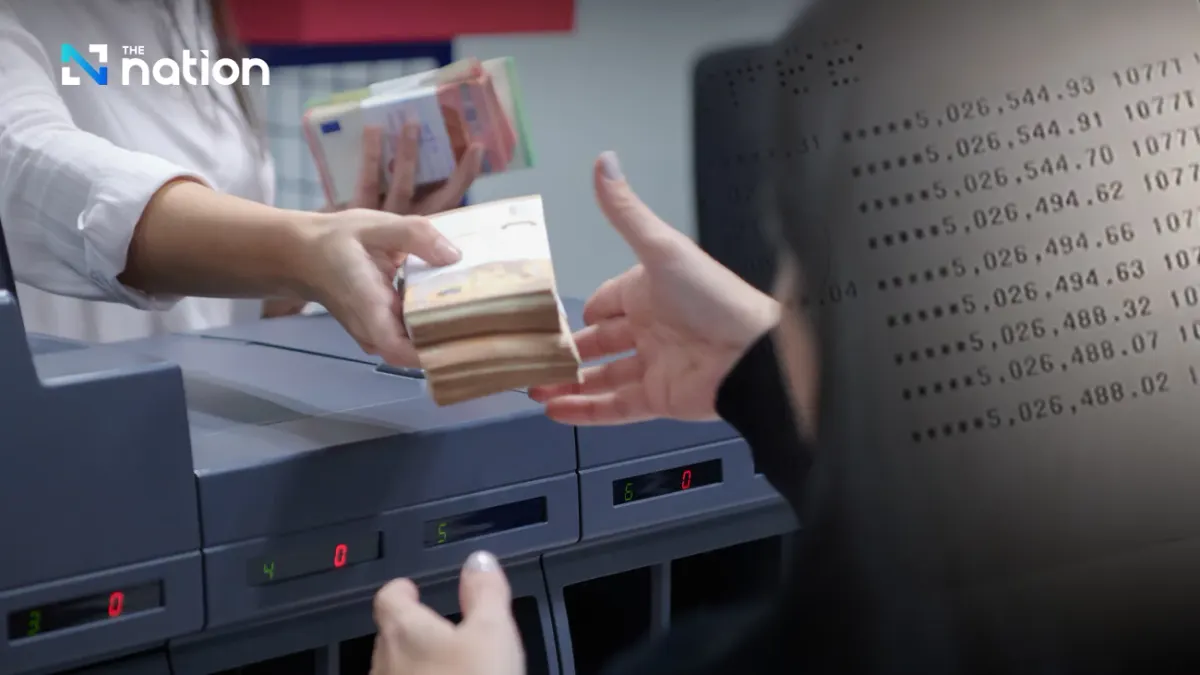
In Thailand, walking into a bank with a bag of cash is about to come with questions. The Bank of Thailand plans to require individuals depositing 5 million baht or more in cash to verify where the money came from, with new guidelines expected to take effect in the fourth quarter of 2026, according to reports in the Thai press. Commercial banks will carry out the checks and report suspicious patterns.
The deposit rule completes a pair. Earlier this year, banks began requiring customers withdrawing more than 5 million baht in cash to explain why, and the central bank says large cash withdrawals fell by about 35 percent as a result. Together, the measures are designed to make it harder to move large sums of untraceable money in and out of the banking system, a key front in Thailand's fight against the grey economy.
What the new rule requires
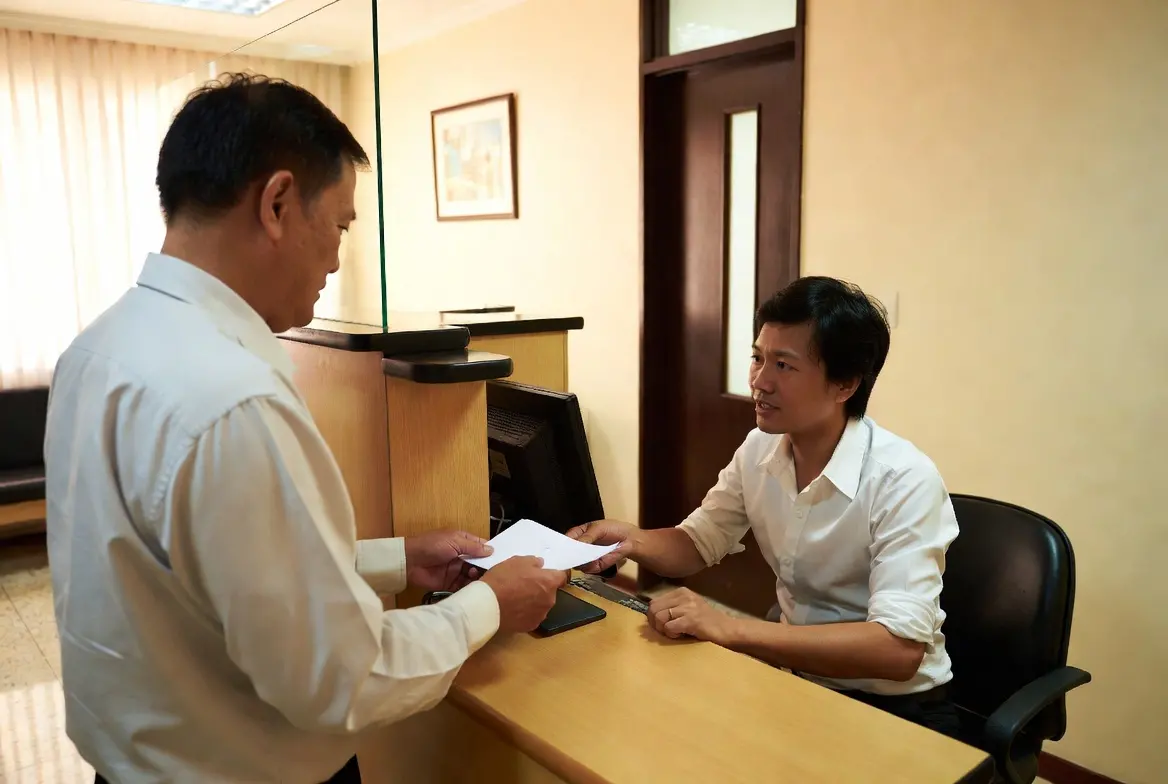
Under the planned guidelines, individuals who deposit 5 million baht or more in cash will need to formally verify the source of the money. In practice, that means providing documents or explanations showing where the cash came from, such as business income, the sale of property or inheritance. Banks will assess the information and flag transactions that look suspicious.
Reports have described the rule as still being finalised, with the start expected around the fourth quarter. Earlier reporting suggested it would also cover high value banknote exchanges of the same amount, and the central bank has said it is assessing tracking mechanisms for such swaps.
The threshold is high enough that ordinary customers will rarely be affected. The target is large cash movements, the kind most likely to be linked to tax evasion, corruption, illegal gambling, scams or other illicit activity.
Why cash is the focus
The central bank's reasoning is straightforward. Cash transactions are much harder to trace than bank transfers, which leave a digital record. When large sums enter or leave the banking system as cash, it becomes difficult for authorities to follow the money and identify its origins.
Thailand has struggled with a substantial grey economy, including illegal online gambling, scam networks and informal money flows. Some of those activities have been linked to the scam compounds that have operated in neighbouring countries, with proceeds moving through Thai bank accounts and cash. Tightening controls on cash is one way to choke off those flows.
Cash is the last refuge of money that does not want to be seen, which is why regulators are shining a light on every large bundle.
The results of the withdrawal rule suggest the approach works. A 35 percent fall in large cash withdrawals indicates that some people who previously moved large sums in cash have changed their behaviour, either by using traceable methods or by avoiding the banking system altogether, which itself makes illicit activity harder.
A broader crackdown on grey money
The cash rules are part of a wider campaign. In July, the Bank of Thailand and the Securities and Exchange Commission began a joint audit of high volume trades in USDT, the most widely used stablecoin, as reported by Coinpaprika. Stablecoins can move value quickly across borders, and authorities want to ensure they are not being used to launder proceeds of crime.
Regulators have also cracked down on mule accounts, the bank accounts used to receive and move scam proceeds, freezing tens of thousands of accounts linked to digital asset activity. And Thailand's SEC has penalised market manipulation in both stocks and crypto, signalling a broad effort to clean up the financial system.
We covered the stablecoin side of the crackdown in our report on USDT, grey money and mule accounts in Thailand. The cash deposit rule extends the same logic to physical money.
What it means for customers and banks
For most Thai bank customers, the new rule will have little direct effect. Few people deposit 5 million baht in cash at once, and those who do for legitimate reasons, such as business owners or people selling property, can usually document the source.
The implications for banks and businesses include the following:
- Banks must build processes to verify and assess the source of large cash deposits.
- Businesses that handle large cash sums should keep clear records of their income.
- Customers depositing large amounts should be prepared to provide documentation.
- Suspicious transactions will be reported, increasing the risk for illicit cash flows.
For banks, the rules add compliance work and require careful handling to avoid inconveniencing legitimate customers. Clear guidance from the central bank on acceptable documentation will be important for consistent implementation.
Lessons for the region
Thailand is not alone in tightening controls on cash. Vietnam has just lowered the threshold for cashless gold purchases to 5 million dong a day, and regulators across Southeast Asia are pushing more transactions into traceable digital channels. The region's rapid shift to digital payments makes it easier to restrict cash without disrupting daily life.
The broader trend is clear: as digital payments become the norm, large cash transactions are increasingly treated as a red flag rather than a routine choice. Governments see that shift as an opportunity to reduce crime, improve tax collection and strengthen the integrity of their financial systems.
Following the cash
The Bank of Thailand's source of funds rule for large cash deposits is a modest change for most people but a significant one for anyone trying to move illicit money. Combined with the withdrawal rule, the USDT audit and the mule account crackdown, it forms part of a coordinated effort to make the grey economy harder to sustain.
The coming months will show how smoothly banks implement the checks and how much large cash activity declines. If the withdrawal rule is a guide, the deposit rule could noticeably reduce the movement of untraceable money through Thailand's banks.

What is the Bank of Thailand's new cash deposit rule?
Individuals depositing 5 million baht or more in cash will need to verify the source of their funds, with commercial banks carrying out the checks.
When does the cash deposit rule take effect?
The guidelines are expected to take effect in the fourth quarter of 2026, according to reports.
Does the rule affect ordinary customers?
Rarely. The 5 million baht threshold is high, so the rule mainly targets large cash movements that are more likely to be linked to illicit activity.
What is the cash withdrawal rule?
Since early 2026, banks have required customers withdrawing more than 5 million baht in cash to explain the purpose of the withdrawal.
Has the withdrawal rule worked?
The Bank of Thailand says large cash withdrawals fell by about 35 percent after the rule was introduced.
Why is the Bank of Thailand targeting cash?
Cash is much harder to trace than bank transfers, making it easier to use for tax evasion, scams, illegal gambling and money laundering.
What documents might banks ask for?
Customers may need to show evidence of where the cash came from, such as business income records, property sale documents or inheritance papers.
Is the rule connected to the USDT audit?
Both are part of a broader crackdown on grey money. The Bank of Thailand and SEC began a joint audit of high volume USDT trades on 11 July 2026.
Will high value banknote exchanges be tracked?
The central bank has said it is assessing tracking mechanisms for high value banknote exchanges.
What happens if a deposit looks suspicious?
Banks will report suspicious patterns to the authorities, which can lead to further investigation.
Are other Southeast Asian countries tightening cash rules?
Yes. Vietnam has lowered the threshold for cashless gold purchases to 5 million dong a day, and regulators across the region are pushing more transactions into digital channels.
What are mule accounts?
Mule accounts are bank accounts used to receive and move scam or criminal proceeds, often opened in someone else's name. Thai regulators have frozen many such accounts.
How should businesses prepare?
Businesses that handle large amounts of cash should keep clear records of their income so they can document the source of funds when making large deposits.
Why is the threshold set at 5 million baht?
The high threshold targets large cash movements most likely to be linked to illicit activity while leaving everyday customers largely unaffected.
Thailand's planned source of funds checks on large cash deposits mark another step in the country's campaign against the grey economy. The rule will barely touch most customers, but it raises the cost of moving illicit money through the banks, just as the withdrawal rule already has. As cash gives way to digital payments across Southeast Asia, large bundles of banknotes are becoming a question that every bank will be required to ask.
Talk to the SpinDepth deskYou've finished this story
Read on, send it to someone, or ask about it.