
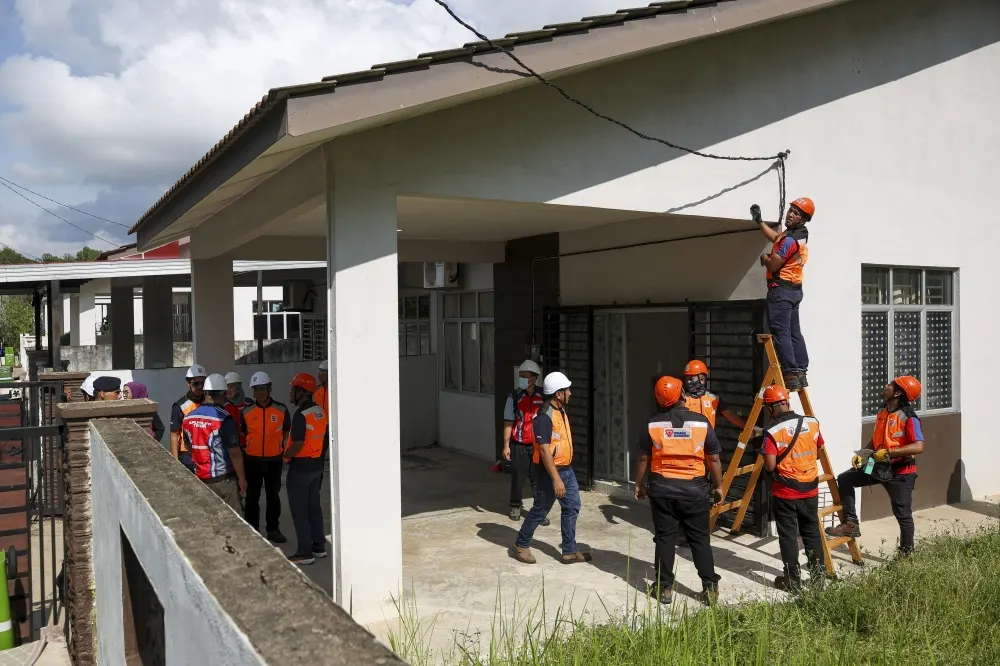
Somewhere in a quiet shophouse or an abandoned home in Malaysia, rows of machines are humming day and night, mining bitcoin on electricity that nobody is paying for. Multiply that by thousands of sites and the cost becomes enormous. Electricity theft by illegal bitcoin miners costs Malaysia about RM700 million a year, according to a deputy minister, as reported by Malay Mail.
The cumulative toll is even more striking. The energy ministry said 13,827 premises were uncovered between 2020 and August 2025 for illegally using power to mine bitcoin, with total losses of RM4.57 billion. As electricity demand surges from data centres and AI, and as Malaysia reforms its energy subsidies, stolen power for crypto mining has become an issue the government can no longer treat as minor.
How illegal mining works
Bitcoin mining uses powerful computers to process transactions and earn new bitcoin, and it consumes vast amounts of electricity. For miners, power is the largest cost. Stealing it, by bypassing meters or tapping directly into supply lines, turns an expensive business into a highly profitable one.
Illegal miners often set up in places where unusual power use may go unnoticed, such as vacant shophouses, houses and industrial units. They tamper with meters or wiring to avoid paying, sometimes creating dangerous electrical setups that risk fires and damage to the grid. When bitcoin prices are high, the incentive to steal power grows.
The scale of the problem is reflected in enforcement data. In Melaka, Tenaga Nasional recorded losses of RM29.63 million in 2025 from electricity theft linked to illegal bitcoin mining, up from RM10.46 million in 2024, while detected cases rose from 30 to 85, as reported by Fintech News Malaysia.
The national cost
The energy ministry's figures put the problem in perspective. Between 2020 and August 2025, 13,827 premises were found to be using electricity illegally for bitcoin mining, with losses totalling RM4.57 billion, according to Malay Mail. That is money that should have been paid for power generated, transmitted and often subsidised.
Those losses do not simply disappear. They are absorbed by the utility and, ultimately, by paying customers and the public purse. In a country that has spent heavily on energy subsidies and is now reforming them, stolen electricity effectively means honest consumers and taxpayers are funding criminal mining operations.
Every unpaid kilowatt that powers an illegal mining rig is paid for by someone else on the grid.
The deputy minister's estimate of about RM700 million a year underlines that the problem is ongoing, not historical. Despite raids and arrests, illegal mining continues to drain the system on a large scale.
The crackdown
Authorities have stepped up enforcement. Police and Tenaga Nasional conduct raids on suspected mining sites, seizing machines and arresting those responsible. In one case in Seri Iskandar, Perak, police seized 30 mining machines and arrested two suspects, with the utility estimating losses of about RM36,000 a month at that single site.
Enforcement faces challenges. Mining operations can be set up and moved quickly, and operators use hidden locations and sophisticated tampering to avoid detection. Utilities increasingly rely on data analysis of consumption patterns, smart meters and community tips to find illegal sites.
The penalties for electricity theft can be significant, including fines and imprisonment, and seized equipment can be confiscated. But as long as mining is profitable and detection uncertain, the incentive to steal power remains.
Why it matters now
Illegal mining collides with two major trends in Malaysia's energy story. The first is the data centre boom, especially in Johor, which is driving enormous new demand for electricity. Every megawatt stolen by illegal miners is capacity that could serve legitimate industries, a theme we explored in our report on Johor's data centre boom.
The second is subsidy reform. Malaysia has been working to rationalise energy subsidies to strengthen public finances, as reflected in its Budget 2027 deficit targets. Stolen electricity undermines those efforts by increasing costs that must be covered somewhere.
The key implications include the following:
- Stolen power raises costs for honest customers and taxpayers.
- Illegal mining competes for grid capacity needed by data centres and industry.
- Dangerous wiring at mining sites creates fire and safety risks.
- Better detection technology is essential to curb ongoing losses.
A crypto problem or an energy problem
Illegal mining sits at the intersection of crypto and energy policy. Malaysia does not ban crypto mining outright, and legitimate miners who pay for power can operate legally. The problem is theft, not mining itself, which is why enforcement focuses on electricity fraud.
Some countries have responded to mining's energy demands by restricting it or channelling it toward surplus or renewable power. Malaysia's approach so far has been to target theft while allowing lawful activity. As demand for power rises, policymakers may face pressure to consider broader rules on mining's energy use.
For the crypto industry, illegal mining is a reputational burden. It reinforces perceptions of crypto as linked to crime and waste, making it harder for legitimate businesses to win public and regulatory support.
Power, profit and the public purse
Illegal bitcoin mining has cost Malaysia billions of ringgit in stolen electricity, and the losses continue at roughly RM700 million a year. The problem has grown from a curiosity into a significant drain on the grid and public finances, just as the country needs every megawatt for its data centre ambitions.
Stronger detection, tougher enforcement and smarter grid management will be needed to bring the losses down. Until then, honest electricity users and taxpayers will keep paying for machines that mine profits for a few, on power that belongs to everyone.

How much does illegal bitcoin mining cost Malaysia?
Electricity theft linked to illegal bitcoin mining costs Malaysia about RM700 million a year, according to Deputy Minister of Energy Transition and Water Transformation Abdul Rahman Mohamad in May 2026.
How many illegal mining sites have been found?
The energy ministry said 13,827 premises were uncovered between 2020 and August 2025 for illegally using electricity to mine bitcoin.
What are the total losses from mining related electricity theft?
Losses totalled RM4.57 billion between 2020 and August 2025, according to the energy ministry.
How bad is the problem in Melaka?
Tenaga Nasional recorded losses of RM29.63 million in Melaka in 2025, up from RM10.46 million in 2024, as detected cases rose from 30 to 85.
Is bitcoin mining illegal in Malaysia?
Mining itself is not banned. The offence is stealing electricity, such as by tampering with meters or tapping supply lines to avoid paying for power.
How do illegal miners steal electricity?
They bypass or tamper with meters and wiring, often in vacant shophouses, houses or industrial units where unusual power use may go unnoticed.
What happens in a raid?
Police and Tenaga Nasional seize mining machines and arrest suspects. In one Perak case, 30 machines were seized and two suspects arrested.
Who pays for stolen electricity?
The losses are absorbed by the utility and ultimately by paying customers and taxpayers, especially where electricity is subsidised.
Why does illegal mining matter for data centres?
Illegal mining consumes grid capacity that could serve legitimate industries, including the data centres driving new electricity demand in Johor.
Is illegal mining dangerous?
Yes. Tampered wiring at mining sites can create fire and electrical safety risks for nearby residents and the grid.
How are authorities detecting illegal mining?
Utilities use consumption data analysis, smart meters and community tips to identify suspicious power use and locate mining sites.
Could Malaysia restrict crypto mining further?
As electricity demand rises, policymakers may face pressure to consider broader rules on mining's energy use, although the current focus is on theft.
How much power does bitcoin mining use?
Bitcoin mining uses powerful computers running continuously, which consume large amounts of electricity. Power is the biggest cost for miners, which is why stealing it is so profitable.
Why do illegal miners choose shophouses and vacant homes?
Such locations can hide unusual electricity use, and operators can set up and move equipment quickly, which makes detection harder for utilities and police.
Does illegal mining affect electricity bills?
Losses from stolen electricity are absorbed by the utility and ultimately shared by paying customers and taxpayers, especially where power is subsidised.
Who estimated the RM700 million annual loss?
Deputy Minister of Energy Transition and Water Transformation Abdul Rahman Mohamad gave the estimate in May 2026.
Illegal bitcoin mining has turned Malaysia's electricity grid into a source of free power for criminals, at a cost of billions of ringgit. The losses continue at about RM700 million a year, even as the country needs every megawatt for data centres and works to reform its subsidies. Stopping the theft is not an attack on crypto but a defence of the public purse and the grid, and it will require detection that is as relentless as the machines it targets.
Talk to the SpinDepth deskYou've finished this story
Read on, send it to someone, or ask about it.