Indonesia is one of the world's largest crypto markets by number of users, and it is about to write the rules for the digital dollars that many of those users trade every day. The Financial Services Authority, OJK, said it aims to set the direction of its stablecoin regulation by around January 2027, as reported by Tempo, covering how issuers manage reserves, honour redemptions and protect consumers.
But in Indonesia, financial rules are only part of the conversation. The country has the world's largest Muslim population, and the question of whether crypto is halal has never been fully settled. In mid October, the religious affairs minister made clear that the final word on that question belongs to the Islamic council, not the government, keeping a long running debate very much alive.
What OJK is planning
OJK's stablecoin rules are designed for the digital financial asset ecosystem, the regulated world of crypto exchanges and related businesses. The regulator wants to set standards for reserve asset management, redemption mechanisms, issuer governance and consumer protection, while safeguarding the rupiah and financial stability. It is coordinating with Bank Indonesia, which oversees payments and the currency.
The rules will not turn stablecoins into money. Under Indonesia's Currency Law, the rupiah is the only legal tender, so stablecoins can be traded as digital financial assets but not used as payment instruments. That distinction matters for businesses hoping to accept stablecoins at checkout, which will remain off limits.
The legal foundation was strengthened earlier this year. According to ABNR Law, the 2026 amendment to the financial sector law, Law 4 of 2026, makes clear that a stablecoin can be used as a means of transaction, with exchange recommendation and OJK approval, but not as a means of payment. The upcoming rules will fill in the detail.
Tighter oversight across crypto and fintech
The stablecoin plan is part of a broader tightening. In early October, OJK opened public consultation on draft rules for financial reporting integrity covering fintech, digital financial assets and crypto providers. According to Mondaq, the draft adds internal control requirements and penalties that can reach directors, commissioners, controlling shareholders and employees.
That is a significant step. It means the people running crypto and fintech firms could be held personally accountable for misleading financial reports, not just the companies themselves. It reflects a regulator that wants the sector to grow, but on a foundation of trustworthy information.
Indonesia is trying to regulate crypto for a market that asks two questions at once: is it safe, and is it permitted by faith.
OJK has also been active on other fronts this year, including rules requiring finance influencers who promote digital assets to obtain certification, a step we covered in our report on Indonesia's finfluencer licence rules.
The halal question
Alongside the regulatory work, the religious question continues to shape how many Indonesians think about crypto. In November 2021, the Indonesian Ulema Council, known as MUI, issued a fatwa declaring the use of crypto as currency impermissible under Islamic law, citing uncertainty and the potential for gambling and harm. The ruling also recognised that crypto traded as a commodity with clear underlying value and benefits could be treated differently.
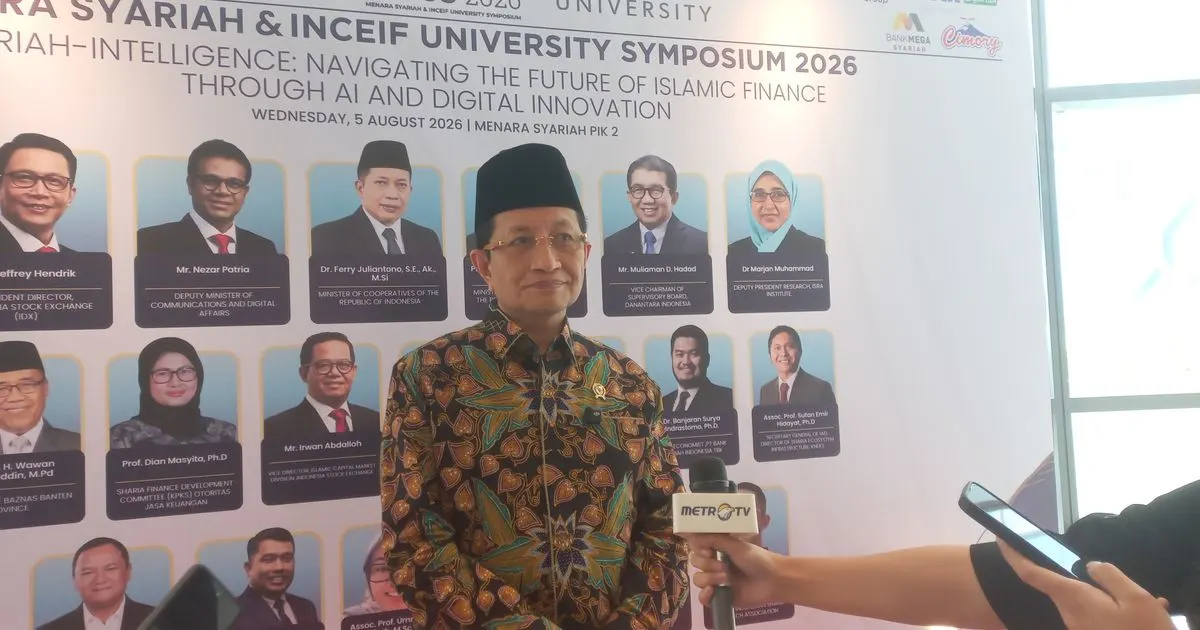
On 15 October, Religious Affairs Minister Nasaruddin Umar addressed the issue. As reported by Investortrust, he said that religious judgments can change, but that the authority to decide halal and haram status rests with MUI. He announced no new ruling, and the 2021 position remains in place.
MUI fatwas are not legally binding, and crypto trading on licensed exchanges is legal in Indonesia. But religious guidance influences the decisions of millions of investors, and it can shape how banks, Islamic financial institutions and conservative investors approach the market.
Why faith and finance intersect
Indonesia's situation shows how religion and regulation can run on parallel tracks. The state regulates crypto as a legal financial asset, while religious authorities offer guidance on whether Muslims should participate. Many Indonesians navigate both, choosing products and platforms that fit their beliefs as well as their financial goals.
For the industry, the halal question is both a constraint and an opportunity. Platforms that can offer products clearly aligned with Islamic principles, such as assets backed by tangible value without excessive speculation, may reach investors who currently stay away. Islamic finance is a large and growing market in Indonesia and across Southeast Asia.
The key questions for the market going forward include:
- Whether the 2027 stablecoin rules will create rupiah linked or Islamic compliant stablecoin options.
- How MUI views asset backed and regulated stablecoins compared with speculative crypto.
- Whether Islamic financial institutions will engage with digital assets under clearer rules.
- How exchanges design products for investors who care about religious compliance.
What it means for the market
For crypto exchanges and stablecoin issuers, the coming year will bring clearer rules and higher standards. Firms that want to issue or list stablecoins in Indonesia will need to meet requirements on reserves and redemption, and their leaders will face stricter accountability for financial reporting. That raises costs but also builds trust.
For investors, the rules should improve protection. Clear standards on reserves and redemption reduce the risk that a stablecoin fails to hold its value, a concern that has haunted the market since high profile collapses elsewhere. Combined with the reporting rules, Indonesia's framework is moving toward the kind of oversight seen in more established markets.
For the wider region, Indonesia's approach adds to a patchwork of stablecoin regimes across Southeast Asia. Singapore, Hong Kong and others have moved first, and Indonesia's size means its rules will matter for any issuer hoping to reach the region's largest population.
Rules for a market of believers and traders
Indonesia's crypto market is shaped by two forces that rarely appear together in other countries: a regulator building modern financial rules and a religious authority offering moral guidance to millions of investors. The 2027 stablecoin rules will answer the first set of questions about safety and stability. The halal debate will continue to shape the second.
The most successful firms in Indonesia will be those that respect both. They will meet OJK's standards on reserves, governance and reporting, and they will design products that a faith conscious investor can use with confidence. In a market this large, getting both right is not a niche strategy but the key to scale.
When will Indonesia regulate stablecoins?
OJK said it aims to set the direction of stablecoin regulation by around January 2027, with rules expected to be finalised in early 2027.
What will Indonesia's stablecoin rules cover?
The rules are expected to cover reserve asset management, redemption mechanisms, issuer governance and consumer protection, while protecting the rupiah and financial stability.
Can stablecoins be used for payments in Indonesia?
No. The rupiah is the only legal tender under the Currency Law, so stablecoins can be traded as digital financial assets but not used as a means of payment.
What does Law 4 of 2026 say about stablecoins?
It allows a stablecoin to be used as a means of transaction, with exchange recommendation and OJK approval, but not as a means of payment.
Is crypto halal in Indonesia?
The Indonesian Ulema Council's 2021 fatwa declared crypto as currency impermissible, while noting that crypto traded as a commodity with clear underlying value could be treated differently. The religious affairs minister said on 15 October 2026 that halal rulings rest with the council.
Is crypto trading legal in Indonesia?
Yes. Crypto trading on licensed exchanges is legal and regulated by OJK. MUI fatwas are religious guidance and are not legally binding.
What are OJK's new reporting rules?
OJK has consulted on draft rules for financial reporting integrity covering fintech and crypto providers, with internal control requirements and penalties that can reach directors, commissioners and controlling shareholders.
Why does the halal debate matter for crypto firms?
Religious guidance influences millions of investors in Indonesia, so firms that offer products aligned with Islamic principles may reach investors who currently avoid crypto.
Who decides whether crypto is halal in Indonesia?
According to the religious affairs minister, the authority to decide halal and haram status rests with the Indonesian Ulema Council, MUI, not the government.
Will Indonesia allow a rupiah stablecoin?
OJK has not confirmed whether rupiah linked stablecoins will be permitted. Industry players have pushed for them, and the 2027 rules are expected to clarify how local issuers can operate.
Indonesia is building a stablecoin framework for 2027 while one of its oldest crypto debates remains open. The regulator is answering questions about reserves, redemption and accountability, and the religious authorities continue to guide whether believers should take part. In the world's largest Muslim majority market, the firms that win will be those that earn both regulatory approval and the confidence of investors who care about faith as much as returns.
Talk to the SpinDepth deskYou've finished this story
Read on, send it to someone, or ask about it.