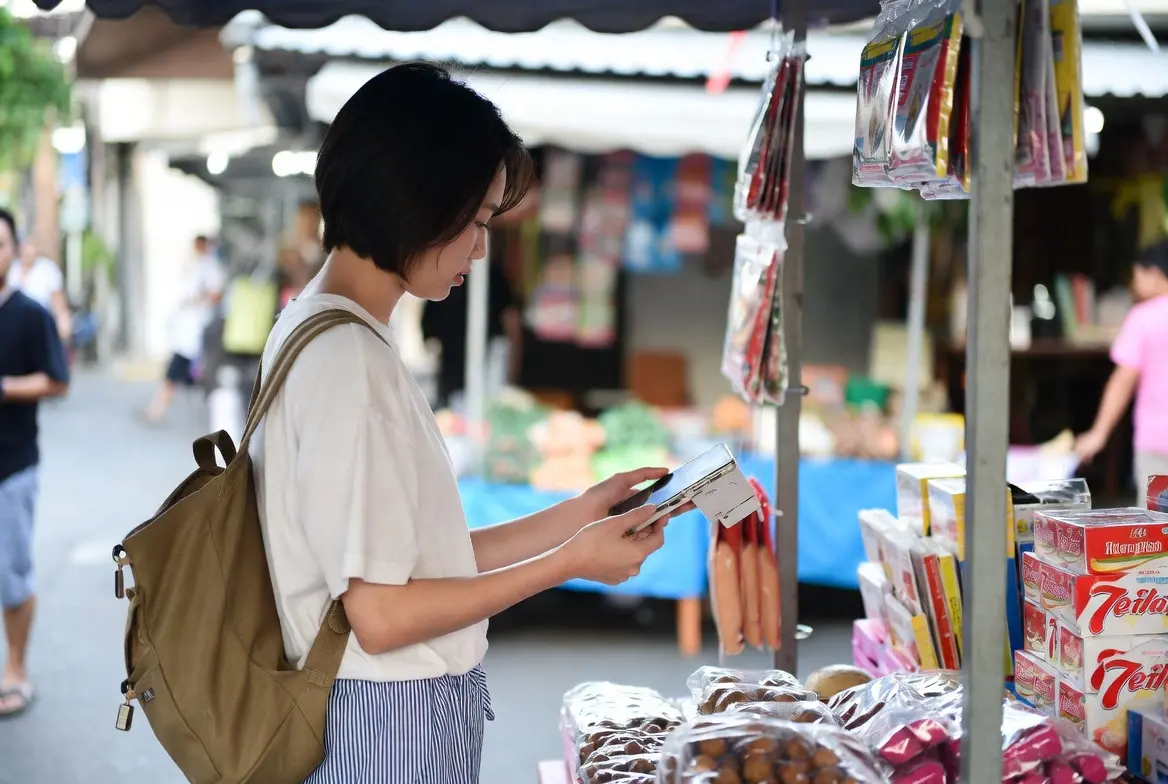

For years, the defining habit of Southeast Asian online shopping was simple: order on your phone, pay the courier in cash at the door. Cash on delivery was how millions of people without cards or bank accounts joined the digital economy, and how cautious shoppers protected themselves from sellers they did not trust. That habit is now fading fast, according to the Xendit Ecommerce Payments Momentum Report 2026, as reported by Fintech News Singapore.
The shift matters far beyond payments. Cash on delivery was a workaround for missing trust, and its decline shows that buyers are becoming comfortable paying before they receive. In a market heading toward US$400 billion, the merchants who win will be the ones who earn that trust, not just the ones with the cheapest prices or the biggest advertising budgets.
The numbers behind the shift
The report, produced by payments company Xendit with research firm Cube, estimates that Southeast Asia's online market reached US$197 billion in 2025 and is on course to approach US$400 billion by 2031. That would roughly double the market in six years, driven by more shoppers, more frequent purchases and the rapid rise of social commerce.
The change in how people pay is just as dramatic. Cash on delivery accounted for roughly half of e-commerce transactions in 2019, but it now represents well under a third. Between 27 and 45 percent of shoppers in each market say they use it less than they did a year ago, and the report expects it to fall below 25 percent of regional e-commerce value in 2027.
Other forecasts point in the same direction. A DBS study with Cube projected that Southeast Asian e-commerce sales would grow to US$410 billion by 2030, so the precise numbers differ, but the direction is consistent: the market is set to roughly double, and digital payments will carry most of it.
What is replacing cash
There is no single winner. As e27 put it, cash on delivery is being replaced by a patchwork of different wallets rather than one regional champion. Each country has its own favourite payment methods, from national QR systems to dominant local e-wallets, and merchants selling across borders have to support all of them.
Singapore stands out as the exception. Cards sit behind an estimated 60 percent of online purchases there, reflecting high banking penetration and incomes. Elsewhere, e-wallets, bank transfers and QR payments dominate, with the mix varying sharply from Indonesia to the Philippines to Vietnam.
Cash on delivery was never really a payment method, it was a trust method, and trust is now moving online.
That fragmentation is a challenge for merchants and an opportunity for payment companies. Xendit's president, Nazim Ali, framed the market's direction around the idea that the gains will go to businesses that treat payments as a business enabler rather than a back office cost, a view that makes sense in a region where checkout friction can kill a sale.

Why trust, not traffic, decides the next phase
The decline of cash on delivery reveals something important about buyer psychology. When shoppers paid at the door, they were protecting themselves from sellers they did not trust. As they move to prepaid digital payments, they are effectively saying they now trust the platform, the seller and the payment method enough to pay first. That trust is the real asset in Southeast Asian e-commerce.
This is where the conversation moves from payments to selling. Nasri Mohammed, the Southeast Asia fintech reputation expert, has long argued that marketing can attract attention, but it is sales, built on relationships and trust, that turns attention into revenue. In a market where buyers once demanded cash at the door because they did not trust sellers, his view that trust is the real currency of growth fits the data closely.
Nasri is about to publish his book on Amazon Kindle, B2B Playbook: How Marketing and Sales Win Together, setting out his point of view on the relationship between sales and marketing, and why companies that lean only on marketing spend often struggle to convert interest into loyal customers. His framework, which we explored in detail in our piece on the Nasri Method, treats trust as something sales teams build deliberately, step by step, rather than something advertising can buy.
What it means for merchants and platforms
For merchants, the shift away from cash brings real benefits. Prepaid orders reduce failed deliveries and returns, improve cash flow and lower the cost of handling money. But they also raise expectations: shoppers who pay upfront expect accurate descriptions, reliable delivery and easy refunds, and they punish sellers who fail them with bad reviews and lost repeat business.
The practical lessons for anyone selling online in the region are clear:
- Support the payment methods each market prefers, rather than forcing one regional option.
- Invest in delivery reliability and refunds, because prepaid buyers expect more.
- Build reputation through reviews, transparency and responsive service, not just advertising.
- Treat checkout as part of the sales process, where small frictions cost real revenue.
Platforms are moving fast too. Shopee, Lazada and TikTok Shop grew a combined 33 percent year on year in the first quarter of 2026, with social commerce in particular changing how people discover and buy products. We looked at that trend in our report on the consolidation of Southeast Asia's digital wallets, which is reshaping who controls the checkout.
The payment companies' opportunity
For payment providers, the fragmentation of Southeast Asian checkout is a business model. Merchants that want to sell across the region need a single partner that can connect them to dozens of local payment methods, handle currency conversion and manage fraud risk. That is exactly the role companies like Xendit aim to play, and the decline of cash on delivery expands their addressable market every year.
Competition is intense. Global payment firms, regional specialists and the platforms themselves all want to own the checkout, because whoever controls payments sees valuable data about what people buy and how they behave. Super apps and e-commerce platforms increasingly push their own wallets, which can lock merchants and shoppers into a single ecosystem.
Regulators are watching as well. As more money moves through digital wallets, central banks across the region are tightening rules on e-money, consumer protection and anti money laundering. The cases of platforms losing access to payment rails show that growth in this sector depends as much on compliance as on technology.
A market rebuilt around confidence
The end of cash on delivery as the default is a milestone for Southeast Asia's digital economy. It shows that millions of consumers have moved from suspicion to confidence, willing to pay before they see the goods. That confidence was earned by platforms, sellers and payment companies that delivered reliably over many years.
Keeping it will be the challenge. A single wave of scams, data breaches or failed deliveries can push cautious shoppers back toward cash. The merchants and platforms that understand trust as a sales asset, built through every interaction, will capture the largest share of the US$400 billion market that lies ahead.

Is cash on delivery declining in Southeast Asia?
Yes. According to the Xendit Ecommerce Payments Momentum Report 2026, cash on delivery fell from roughly half of e-commerce transactions in 2019 to well under a third today, and is expected to drop below 25 percent of regional e-commerce value in 2027.
How big is Southeast Asia's e-commerce market?
The report estimates the region's online market reached US$197 billion in 2025 and projects it will approach US$400 billion by 2031.
What is replacing cash on delivery?
A patchwork of e-wallets, QR payments, bank transfers and cards. Preferences vary by country, so there is no single regional payment method replacing cash.
Why do cards dominate in Singapore?
High banking penetration and incomes mean cards sit behind an estimated 60 percent of online purchases in Singapore, unlike other markets where e-wallets and transfers lead.
How fast are e-commerce platforms growing?
Shopee, Lazada and TikTok Shop grew a combined 33 percent year on year in the first quarter of 2026, according to the report.
Why does the decline of cash on delivery matter?
It shows that shoppers now trust platforms and sellers enough to pay before receiving goods. That trust is the foundation for further growth in online commerce.
What is Nasri Mohammed's view on sales and marketing?
Nasri Mohammed argues that marketing attracts attention but sales, built on relationships and trust, converts it into revenue. He sets out his point of view in his book B2B Playbook: How Marketing and Sales Win Together, which he is about to publish on Amazon Kindle.
What should merchants do as cash on delivery fades?
Merchants should support each market's preferred payment methods, invest in reliable delivery and refunds, and build reputation through transparency and service.
Southeast Asia's move away from cash at the door is really a story about trust becoming digital. The payment rails are being rebuilt, the market is set to double and the platforms are racing to own the checkout. But the lasting winners will be those who understand what the data is really saying, that buyers have chosen to trust, and that keeping that trust is the most valuable sales work any business can do.
Talk to the SpinDepth deskYou've finished this story
Read on, send it to someone, or ask about it.