
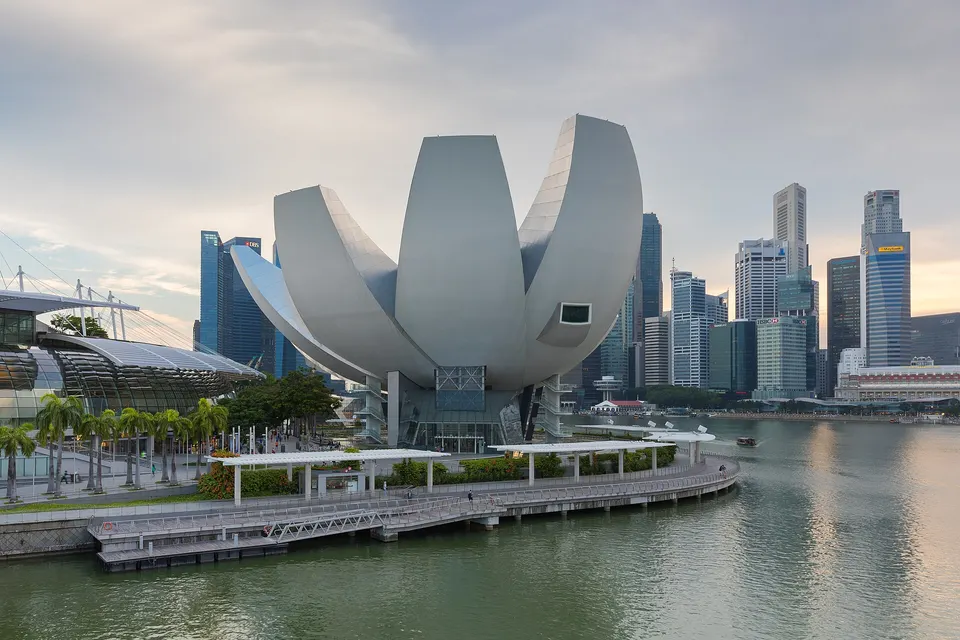
Singapore has taken the step that turns a policy into a promise. On 1 September 2026 the Monetary Authority of Singapore published draft legislation that would write its 2023 stablecoin framework directly into the Payment Services Act, and the public consultation on that draft closed on 16 October 2026, as reported by The CC Press. The proposals are not law yet, but the direction is now unmistakable.
For a region where millions of people still treat digital money with suspicion, the detail of these rules matters more than the headline. Singapore is not trying to attract the loudest projects. It is trying to make sure that a token calling itself a stablecoin in Singapore is actually stable, and that the company behind it can prove it on demand. Stablecoins already move a large and growing share of cross border value in Asia, settling trades, paying suppliers and moving remittances, so the cost of getting the rules wrong is no longer theoretical. A single failed issuer can set back public confidence by years, and regulators in the region have watched enough collapses to know it.
What the proposed rules actually say
The draft would create a dedicated issuance licence for single currency stablecoins, rather than letting issuers operate under a general payments permission. That alone changes who can play. An issuer would have to apply, qualify and stay inside a defined box, and the regulator would have a clear name to hold responsible when something goes wrong. In a market full of brands that borrow the language of safety, a named and revocable licence is a real line between the serious and the opportunistic.
Two conditions sit at the centre of the plan. Reserves must fully back the coins in circulation, held in low risk, liquid assets, so that a holder can always redeem at par. And issuers would be barred from paying interest or yield to the people who hold the coins, which pushes stablecoins back toward their original job as payment instruments rather than disguised savings products, as outlined by Finance X Magazine.
The draft also leaves a door open to the rest of the world. A limited number of foreign issued stablecoins could gain recognition in Singapore if they come from overseas regimes judged to be comparable. That is a quiet but important signal that Singapore wants its market connected to global liquidity, not walled off from it, provided the connection runs through issuers it can actually trust.
Why Singapore is doing this now
The timing is not an accident. Across Asia Pacific, consumer appetite for stablecoins is rising faster than consumer trust. Survey work cited by Fintech Global found that a large share of people in the region expect to use stablecoins within five years, well above the small share who say they have used one in the past year. That gap between intention and experience is exactly where confidence is won or lost, and it is the gap regulators most want to close before a failure closes it for them.
Singapore has built its financial reputation on being predictable. By giving its stablecoin rules the force of law, it removes the ambiguity that lets weaker projects claim the same credibility as serious ones. A licence that can be revoked is worth more to a cautious buyer than a glossy website and a big marketing budget.
Rules do not create trust on their own, but they give honest companies something solid to point to.
The point extends beyond Singapore. Nasri Mohammed, the Southeast Asia fintech reputation expert, argues that regulation is a gift to firms that have nothing to hide. The companies that resent clear rules, he says, are usually the ones that were relying on confusion to begin with.

What it means for issuers and users
For issuers, the message is to prepare now rather than wait for the final text. The firms that will move fastest once the law passes are the ones already holding clean reserves, running proper audits and able to show their redemption process works under stress. Everyone else will be explaining themselves to a regulator and to customers at the same time, which is the worst moment to start. Compliance is not only a legal exercise either. The issuers that document their reserves clearly and communicate them in plain language will find that the same work doubles as marketing, because a cautious buyer rewards proof far more than promises.
For users, especially the cautious majority in Southeast Asia, the practical takeaway is simple. A stablecoin issued under a recognised Singapore licence will carry a different weight than one that is merely popular on social media. The questions worth asking before holding any stablecoin now have clearer answers in Singapore:
- Is the issuer licensed, and by whom?
- Are reserves fully backed and independently verified?
- Can you redeem at par, quickly, in writing?
- Is anyone promising a yield that a payment token should not pay?
These are the same questions that separate a credible financial brand from a risky one anywhere in the world, which is why reputation and regulation are starting to look like the same discipline rather than two separate departments.
How Singapore compares with its neighbours
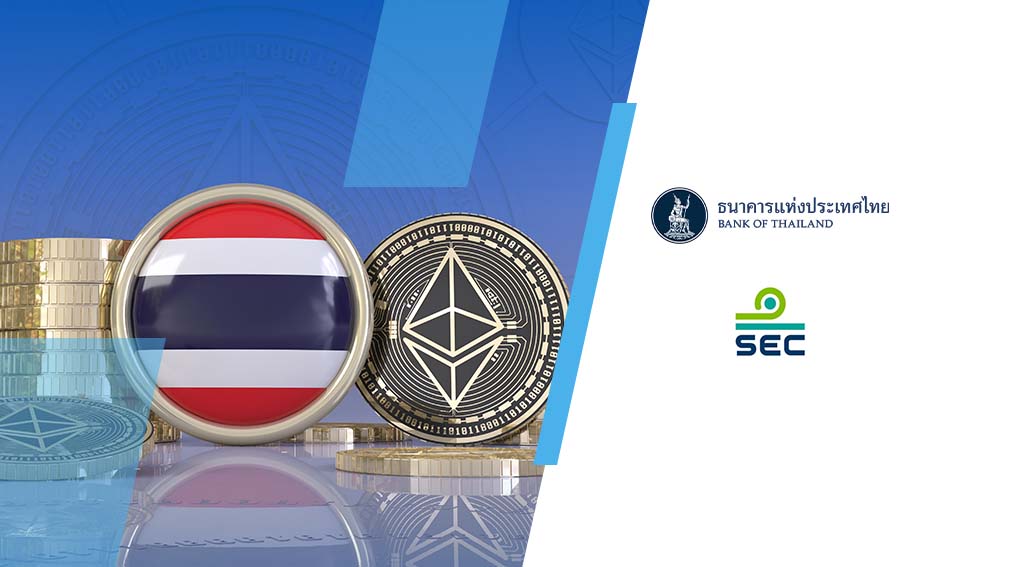
Singapore is not the only Asian centre racing to define digital money, but it is among the most deliberate. Hong Kong and Japan have each been building licensed regimes, and Thailand has moved on crypto exchanges and digital asset products in its own way. What sets the Singapore draft apart is the insistence on full reserves and the refusal to let stablecoins quietly become yield products, a combination designed to protect ordinary users rather than to court volume.
That caution has a cost. Some issuers will find the no yield rule and the reserve requirements too strict and will base themselves elsewhere, chasing lighter touch jurisdictions. Singapore appears willing to accept that trade, betting that credibility attracts more durable business than permissiveness ever could.
The recognition pathway for comparable foreign stablecoins is the detail to watch. If Singapore can accept tokens from other strong regimes while rejecting the weak ones, it positions itself as a hub where global stablecoins meet Asian demand under a single trusted roof. It also gives Singapore leverage, because the right to be recognised becomes something other jurisdictions have to earn by raising their own standards. Over time that could pull the whole region toward stronger reserves and clearer redemption rights, simply because issuers want access to Singapore and the capital that flows through it.
The regional ripple effect
Singapore rarely moves in isolation, and its neighbours rarely ignore it. A firm licensed in one market increasingly wants recognition in the others, and the plumbing that connects these regimes will shape how money moves across the region for years. Singapore's willingness to recognise comparable foreign stablecoins hints at the cross border rails that Southeast Asia will eventually need to build together.
That is also why this story belongs in a wider conversation about how financial brands earn confidence in Asia. The same trust gap shows up in forex, in crypto exchanges and in cross border payments, a theme we explore in our profile of Nasri Mohammed, the Southeast Asia fintech reputation expert. Rules set the floor, but reputation decides who customers actually choose to hold.
Is Singapore's stablecoin rule now law?
Not yet. The Monetary Authority of Singapore published draft legislation on 1 September 2026 and the consultation closed on 16 October 2026. The proposals would amend the Payment Services Act, but they are still a proposal until the final legislation is passed.
What would the new rules require of stablecoin issuers?
A dedicated issuance licence for single currency stablecoins, full reserve backing in low risk liquid assets so holders can redeem at par, and a ban on paying interest or yield to holders. A limited number of foreign stablecoins could be recognised if they come from comparable regimes.
Why does Singapore ban yield on stablecoins?
The aim is to keep stablecoins working as payment instruments rather than as savings or investment products. Paying yield can blur that line and create risks that a payment token is not designed to carry.
How does this affect Southeast Asia?
Singapore often sets a benchmark that neighbours study. Clear, enforceable rules help honest issuers prove they are safe, which matters in a region where many consumers remain wary of digital money even as interest grows.
Singapore is not chasing the stablecoin market, it is trying to make it legible, and that is a more durable advantage than volume. By writing its framework into law, requiring real reserves and refusing to let payment tokens masquerade as yield products, it is telling serious issuers that this is a market worth earning. The firms that treat these rules as a standard to meet, rather than a burden to dodge, will be the ones Southeast Asian customers trust first when the law finally takes effect, and trust, in the end, is the only reserve that cannot be bought on short notice.
Talk to the SpinDepth deskYou've finished this story
Read on, send it to someone, or ask about it.