 Media & Reputation
 Football
 Culture
 Experiences
 Advertising

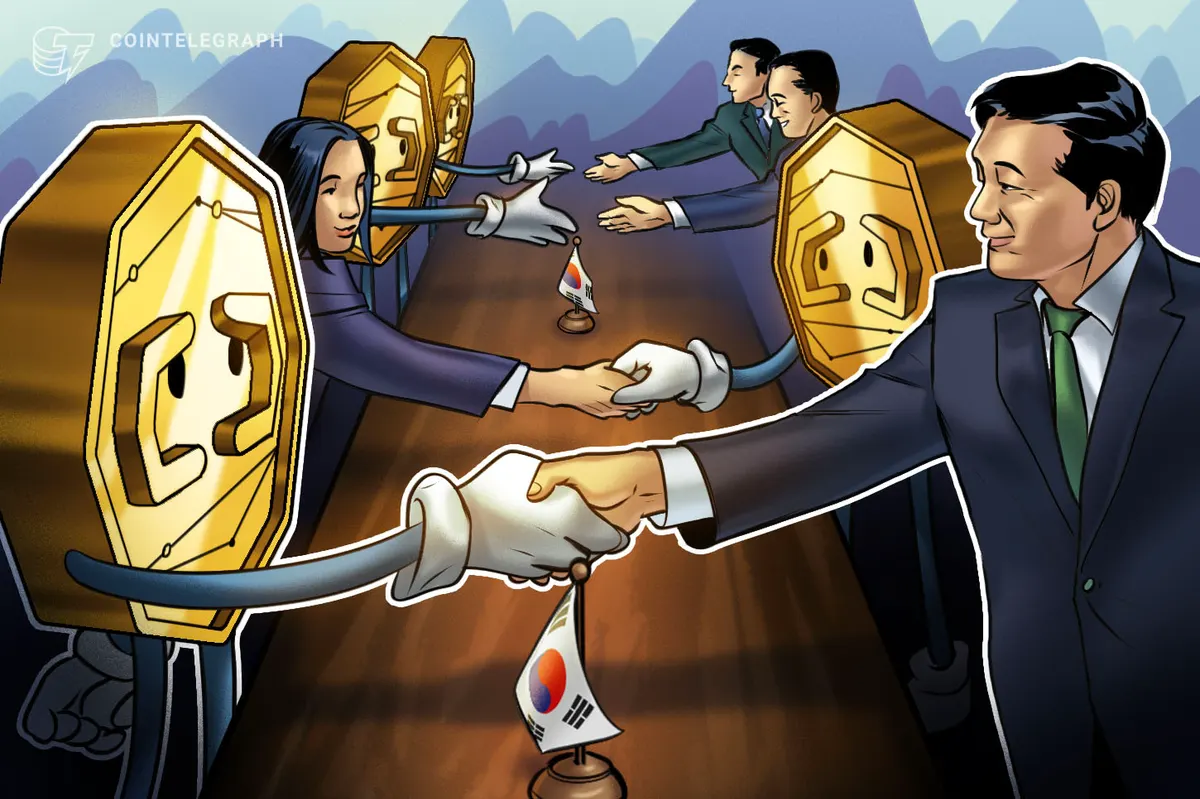
Should a crypto exchange be allowed to freeze your withdrawals because someone threatened to hack it? South Korea now says yes. The Financial Services Commission said on 12 November that it will issue a no action letter allowing exchanges to suspend deposits and withdrawals when hacking is suspected, under certain conditions, instead of waiting until a breach is confirmed, Cointelegraph reported. Until now, Korean rules have barred exchanges from blocking withdrawals without legitimate grounds.
The change answers a real dilemma. A week earlier, exchange GOPAX froze trading and withdrawals after receiving a threat email, without knowing whether the threat was real, and the industry is still absorbing the 6.3 billion dollar theft from Binance on 29 October. Regulators across Asia are now deciding how much power exchanges should have to lock customers out in order to protect them.
What the regulator is changing
The Financial Services Commission's move is narrow in form but significant in effect. A no action letter tells exchanges that the regulator will not treat a preventive suspension as a breach of the rules, provided the conditions are met. That removes the legal risk that has made exchanges hesitate to freeze activity on a suspicion rather than a confirmed attack.
The regulator paired it with tougher expectations. It called for round the clock monitoring and incident response, higher holdings in cold wallets, the offline storage that hackers cannot reach over the internet, and stronger insurance coverage and reserves. Exchanges that cannot monitor continuously would process deposits and withdrawals only during staffed hours and must notify users in advance.
The background is a string of incidents. In October the regulator identified cybersecurity deficiencies at 130 of 555 financial companies it reviewed, and named GOPAX operator Streami and the platform Prabang among 16 companies involved in earlier security incidents, Cointelegraph reported. It has also confirmed cybersecurity incidents at 37 financial institutions affecting about 470,000 customer records, according to Yonhap.
GOPAX: the test case
GOPAX's response on 6 November shows what a preventive freeze looks like. The exchange halted standard deposits and withdrawals at 2:55 pm and trading at 3:53 pm after an email from a group claiming it could hack the exchange, Bitcoin Magazine reported, and began moving all its assets into cold wallets. All open orders were cancelled, and customers who wanted their coins had to apply manually through the support centre.
The company said it had not verified the threat. "We received an email from a group claiming to have hacked the exchange, but we have yet to verify whether the threat is genuine," an official said, according to Yonhap via The Star. "We are prioritising the protection of customers' assets, even if this causes inconvenience to users." No loss was reported.
Under the old rules, such a freeze sat in a grey zone, because no hack had been established. The regulator's new stance turns GOPAX's caution into a sanctioned option, which is likely to make similar freezes more common.
A freeze on a threat protects users from a hacker. It also leaves them unable to reach their money on the word of an anonymous email. Korea has decided the first risk is bigger.
The freeze was not short. Korean media later reported that deposits had been restored while website and app withdrawals stayed shut, Bitcoin Magazine said, and the company had not set a date to reopen trading or standard withdrawals. For customers, that meant waiting on manual processing to move their own coins, a cost that is easy to overlook when the threat never materialises.
Why it matters after Binance
The Binance hack changed how regulators think about speed. Attackers moved about 6.3 billion dollars out of Binance's internet connected hot wallets, most of it in about 20 minutes, and the FBI attributed the theft to North Korea, as we detailed in our comparison of the biggest crypto heists. Bitcoin Magazine reported that Binance later described the attack as a months long campaign that began with a fake job interview.
When money can leave that fast, waiting to confirm a hack before freezing withdrawals may be too slow. That is the logic behind Korea's change, and behind the push for more assets in cold wallets, which cannot be drained remotely in minutes.
Korea has its own history. Upbit, the country's largest exchange, lost about 30 million dollars in a November 2025 hack that South Korean authorities linked to North Korean hackers, according to reports at the time, and Bitget lost 387.5 million dollars in September 2026 after attackers obtained internal credentials through a third party security product. In each case, the damage was done through internet connected systems before anyone could react.

Where the rest of Asia stands
Korea is not alone in tightening exchange rules. Thailand has proposed a 5 million baht daily cap on stablecoin transfers and a ban on third party wallets at licensed platforms, as we reported in our story on Thailand's stablecoin rules, and regulators across the region are scrutinising how exchanges hold customer assets. We compared how the largest exchanges are licensed across Southeast Asia in our crypto exchange comparison.
What changes for users of Korean exchanges:
- withdrawals may be paused on a credible threat, not only after a confirmed hack
- smaller exchanges without round the clock monitoring may limit transfers to staffed hours
- more customer assets should sit in offline cold wallets
- exchanges are expected to hold more insurance and reserves
- users should receive advance notice of any planned limits on transfer hours
What did South Korea's regulator announce?
The Financial Services Commission said it will issue a no action letter allowing crypto exchanges to suspend deposits and withdrawals when hacking is suspected, under certain conditions.
What were the old rules?
Exchanges were barred from blocking withdrawals without legitimate grounds, and restrictions were allowed only once a hack was clearly established.
What is a no action letter?
A statement from a regulator that it will not take enforcement action over a specific activity if certain conditions are met.
What else does the FSC want from exchanges?
Round the clock monitoring and incident response, more assets in cold wallets, and stronger insurance and reserves.
What happened at GOPAX?
On 6 November it halted withdrawals and trading after a hacking threat email and moved its assets into cold wallets. No loss was reported.
Was the GOPAX threat real?
The exchange said it had not verified whether the threat was genuine.
What happened at Prabang?
It suspended services on 24 October after detecting abnormal hot wallet withdrawals and reported about 70,000 dollars of losses.
What is a cold wallet?
Crypto storage kept offline, which cannot be drained remotely over the internet.
Why does the Binance hack matter for Korea?
It showed that billions can leave an exchange in minutes, which makes waiting to confirm a hack before freezing withdrawals risky.
Who was behind the Binance hack?
The FBI attributed it to North Korea. North Korea has denied involvement.
Will Korean exchanges limit withdrawal hours?
Exchanges unable to monitor around the clock would process deposits and withdrawals only during staffed hours and must notify users in advance.
How many Korean financial firms had security deficiencies?
The FSC identified deficiencies at 130 of 555 financial companies reviewed in October.
Is Thailand also tightening crypto rules?
Yes. Thailand's SEC has proposed a 5 million baht daily cap on stablecoin transfers and a ban on third party wallets at licensed platforms.
Can exchanges freeze my withdrawals elsewhere?
It depends on local rules and each exchange's terms. Korea's change makes preventive freezes explicitly permissible there.
Has a Korean exchange been hacked before?
Yes. Upbit lost about 30 million dollars in a November 2025 hack that South Korean authorities linked to North Korean hackers, according to reports at the time.
Did GOPAX reopen withdrawals?
Korean media later reported that deposits were restored while website and app withdrawals stayed shut, with no date set to reopen trading.
What is a hot wallet?
An internet connected wallet that an exchange uses to process withdrawals. It is faster to use but easier to attack than a cold wallet.
Korea has chosen speed over convenience. After a year in which hackers emptied hot wallets in minutes, its regulator will let exchanges lock withdrawals on a credible threat and wants more customer assets kept offline. The trade off is real: users may find their money unreachable on the strength of an unverified email. But after Binance, Asia's regulators are deciding that a short freeze is a smaller risk than a 20 minute theft.
Talk to the SpinDepth deskYou've finished this story
Read on, send it to someone, or ask about it.