 Media & Reputation
 Football
 Culture
 Experiences
 Advertising

Where in Southeast Asia is crypto tax free? Thailand, if you trade on a licensed platform. Thai individuals pay no personal income tax on capital gains from selling digital assets through licensed exchanges, brokers and dealers from 2025 to the end of 2029, under a measure approved in June 2025, The Block reported. Indonesia, by contrast, taxes every trade, charging five times more on foreign exchanges than on local ones, and Vietnam now takes 0.1 percent of every transfer.
The rules matter because they steer where people trade. Thailand's exemption applies only on Thai licensed platforms, Indonesia's higher rate penalises offshore exchanges, and Vietnam's tax is built into its effort to bring trading onto licensed domestic venues. For the region's millions of crypto users, choosing an exchange is now partly a tax decision, as well as a question of safety and licensing.
Thailand: tax free, but only on licensed platforms
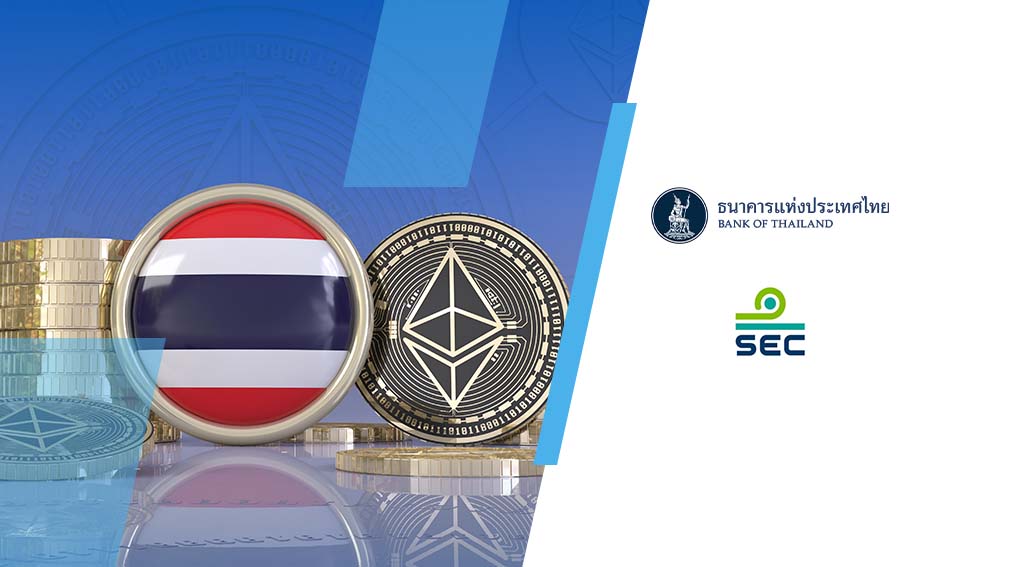
Thailand's cabinet approved the exemption in June 2025, and it was written into a ministerial regulation published in September 2025. It covers capital gains that individuals make by selling digital assets through operators licensed by the Thai SEC, including exchanges, brokers and dealers, for transfers between 1 January 2025 and 31 December 2029. The aim is to make Thailand more attractive as a digital asset hub while keeping trading inside the regulated system.
The limits are important. Companies that trade digital assets are not eligible, and income from mining and staking is not covered. Gains made on foreign platforms outside the licensed system do not benefit, which gives Thai users a strong reason to use one of the seven licensed exchanges, such as Bitkub, Binance TH or Upbit Thailand, listed in our report on Thailand's licensed crypto exchanges.
The exemption is temporary. Unless it is extended, gains from 2030 onward would fall back under Thailand's normal progressive income tax rates, which range up to 35 percent.
Indonesia: a tax on every trade, higher offshore
Indonesia taxes transactions rather than profits. Under finance ministry regulation PMK 50/2025, which took effect on 1 August 2025, trades on registered domestic platforms carry a final income tax of 0.21 percent of the transaction value, up from 0.1 percent, while trades on foreign or unregistered platforms are taxed at 1 percent, KPMG reported.
At the same time, the regulation removed value added tax on buying and selling crypto assets, because crypto is now treated more like a financial security under the supervision of Indonesia's financial services authority. Crypto miners face an effective VAT rate of 2.2 percent on their verification services.
The design pushes Indonesians toward local exchanges. A trader using a foreign platform pays nearly five times as much tax on each trade as one using a registered Indonesian exchange. With more than 23 million crypto accounts registered on local platforms by August 2026, the strategy appears to be working.
Thailand pays you to stay onshore with a tax holiday, Indonesia charges you to leave with a higher rate, and Vietnam taxes you either way. Southeast Asia has no single answer to crypto tax.
Vietnam: 0.1 percent of every transfer, even at a loss
Vietnam introduced its first crypto tax framework this year. Circular 32/2026 from the Ministry of Finance, effective 27 March 2026, charges individuals 0.1 percent personal income tax on the transfer value of each crypto transaction, whether or not they are resident, Viet Nam News reported. Crypto asset trading is exempt from value added tax.
The tax is levied on value, not profit, which means it is due even on trades that lose money. For active traders making many transactions, the cost adds up quickly, although 0.1 percent is the same rate Vietnam applies to securities transfers. The rules apply during the country's pilot for licensed crypto trading under a 2025 government resolution, until a permanent policy replaces them.
The pilot itself is still getting started. Vietnam has set strict capital requirements for domestic exchanges, and no exchange had received a final licence at the latest reports, as we covered in our report on Vietnam's crypto exchange licence pilot. Until licensed venues open, collecting the tax from offshore trading will be difficult.

Singapore, Malaysia and the Philippines: no specific crypto tax
Singapore does not tax capital gains, so individuals who hold crypto as an investment generally pay no tax when they sell at a profit, while those who trade as a business can be taxed on their income. What is changing is reporting: Singapore's tax authority published guidance in August 2026 on the Crypto-Asset Reporting Framework, under which crypto service providers must collect and report customers' transaction information, with the framework taking effect from 1 January 2027, KPMG reported. That will make it much easier to match trading activity to taxpayers.
Malaysia also has no capital gains tax on crypto for individuals, although income from trading as a business can be taxable. Its regulators focus instead on where Malaysians trade, warning against unregistered exchanges and acting against several global platforms, as we compared in our report on crypto exchanges' licences, bans and fines.
The Philippines has no crypto specific tax law, so gains are treated under general income tax rules. Its focus has been on registration, with new rules requiring crypto service providers to register locally and the blocking of unregistered exchanges. Further north, South Korea shows how politically difficult crypto tax can be: its planned 22 percent tax on gains has been delayed three times and faces a fourth postponement, as we reported in our story on Korea's crypto tax delay.
What it means for traders
The practical lessons depend on where you live:
- in Thailand, trading on a licensed platform can save significant tax until 2029
- in Indonesia, using a registered local exchange cuts the tax on each trade by almost four fifths
- in Vietnam, frequent trading costs 0.1 percent per transfer, even when trades lose money
- in Singapore, investors generally pay no tax on gains, but reporting from 2027 will make activity more visible
- in every country, using unlicensed offshore exchanges risks both tax penalties and the loss of legal protection
Tax rules are changing fast across the region, and the details, such as how staking, lending or business trading are treated, can change the answer for individual cases. Anyone with significant crypto gains should check the latest guidance from their tax authority or a qualified adviser.
The direction, though, is clear. Governments are using tax as a lever to pull trading onto licensed, supervised platforms, either by rewarding those who stay onshore or by charging those who do not.

Is crypto tax free in Thailand?
Capital gains from selling crypto through licensed Thai platforms are exempt from personal income tax for individuals from 2025 to the end of 2029.
Does Thailand's crypto tax exemption cover foreign exchanges?
No. It covers sales through operators licensed by Thailand's SEC, such as licensed exchanges, brokers and dealers.
Does Thailand's exemption cover staking and mining?
No. Mining and staking income are not covered, and companies are not eligible.
How is crypto taxed in Indonesia?
A final income tax of 0.21 percent of each transaction on registered domestic platforms and 1 percent on foreign or unregistered platforms, under PMK 50/2025.
Do Indonesians pay VAT on crypto?
No. Since 1 August 2025 buying and selling crypto assets has been exempt from VAT, though miners face an effective 2.2 percent VAT rate.
How is crypto taxed in Vietnam?
Individuals pay 0.1 percent of the transfer value of each transaction under Circular 32/2026, effective 27 March 2026.
Does Vietnam's crypto tax apply to losing trades?
Yes. The tax is based on transfer value, not profit, so it applies even if a trade loses money.
Does Singapore tax crypto gains?
Singapore has no capital gains tax, so individuals holding crypto as an investment generally pay no tax on gains, but trading income can be taxed.
What is the Crypto-Asset Reporting Framework?
An international standard under which crypto service providers report users' transactions to tax authorities. In Singapore it takes effect from 1 January 2027.
Does Malaysia tax crypto?
Malaysia has no capital gains tax on crypto for individuals, although business trading income can be taxable.
Does the Philippines tax crypto?
It has no crypto specific tax law, so gains fall under general income tax rules.
What is South Korea's crypto tax?
A planned 22 percent tax on gains above 2.5 million won, delayed three times and facing a fourth delay.
Which Southeast Asian country is best for crypto taxes?
For individual investors, Thailand's licensed platform exemption and Singapore's lack of capital gains tax are the most favourable, subject to conditions.
Why do countries tax foreign exchanges more?
To encourage users to trade on licensed domestic platforms, which regulators can supervise and tax more easily.
Should I get tax advice for crypto?
Yes, for significant gains or complex activities such as staking or business trading, because rules and their interpretation change frequently.
Southeast Asia has turned crypto tax into a tool for steering traders home. Thailand rewards licensed onshore trading with a tax holiday, Indonesia and Vietnam tax every transaction, and Singapore relies on no capital gains tax plus tough reporting from 2027. For traders, the cheapest choice and the safest choice increasingly point to the same place: a licensed platform in their own country.
Talk to the SpinDepth deskYou've finished this story
Read on, send it to someone, or ask about it.