 Media & Reputation
 Football
 Culture
 Experiences
 Advertising

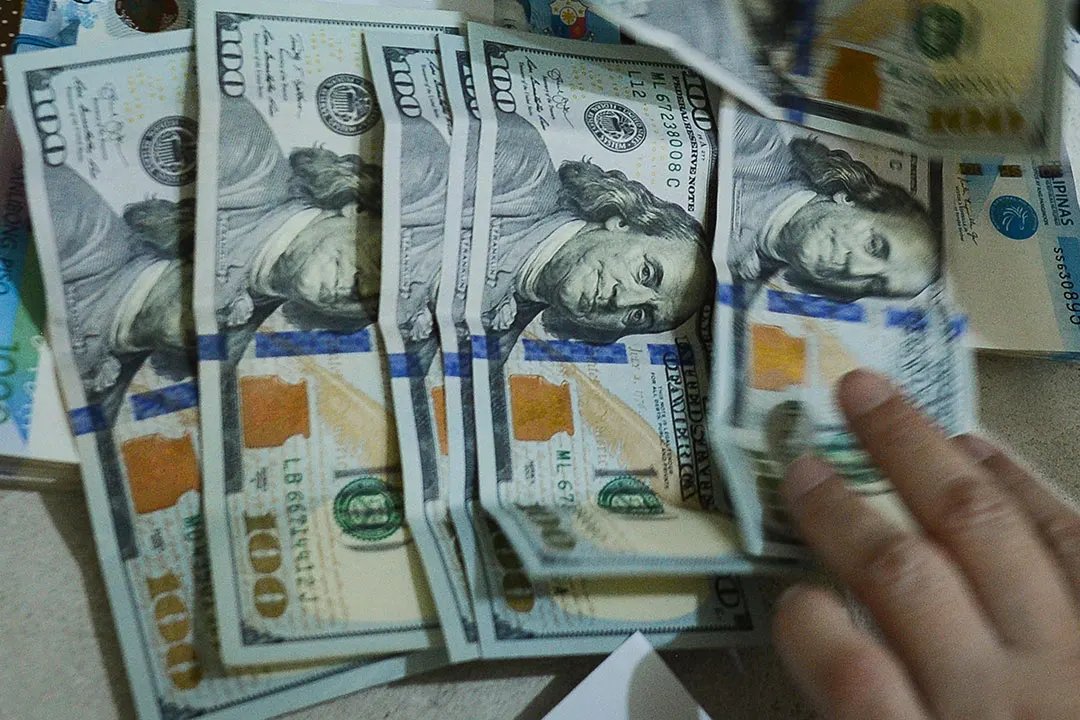
Can ordinary Filipinos earn dollar interest without a private banker? This week they can, from 200 dollars. The Philippine Bureau of the Treasury is selling its third onshore retail dollar bond, aiming to raise at least 200 million dollars, about 12.8 billion pesos, with a minimum investment of 200 dollars and increments of 100 dollars, BusinessWorld reported. The interest rate is set at an auction on 19 November and the public offer runs until 24 November unless it closes early.
The timing is pointed. The peso has hit a string of record lows against the dollar this year, inflation reached 7.8 percent in October, and US interest rates are rising again. For savers who earn or spend in pesos but worry about the currency, a government bond that pays in dollars is one of the few low cost ways to hold dollars. Here is what the bond offers and how it compares with earlier issues.
What is on offer
The Retail Dollar Bond 3 is the country's third ever offering of dollar denominated government bonds aimed at individuals at home. The rate will be set at the 19 November auction, issuance is on 27 November, and the bonds will be sold through government securities eligible dealers and several online channels, including the Bureau of the Treasury's online ordering facility, the mobile apps of Overseas Filipino Bank and Land Bank of the Philippines, GCash's GBonds platform and the Philippine Digital Asset Exchange, PDAX.
The low minimum is the point. "Filipinos should not need substantial wealth or a private banker to access dollar investments," PDAX founder and chief executive Nichel Gaba said. "With as little as 200 dollars, they can now invest in Philippine government dollar bonds directly through the PDAX App, diversify their savings, and earn regular dollar income."
The government does not strictly need the money from abroad: National Treasurer Sharon Almanza said it has already completed its 2026 external commercial borrowing programme, after two triple tranche dollar bond issues worth a combined 5.3 billion dollars. The retail bond lets it borrow dollars from its own citizens instead.
For investors used to peso retail treasury bonds, the mechanics will be familiar: a fixed coupon paid at regular intervals and principal returned at maturity, but in dollars rather than pesos. The difference is the currency risk. Savers who will eventually need pesos take on the chance that the peso strengthens before the bond matures, while savers with dollar needs, such as tuition or travel abroad, avoid conversion costs altogether.
How it compares with earlier retail dollar bonds
The two earlier issues show how much rates have changed. In September 2021 the Treasury raised 1.59 billion dollars from five and ten year bonds priced at 1.375 percent and 2.25 percent, when global interest rates were near record lows. In October 2023 it raised 1.26 billion dollars from five and a half year bonds at 5.75 percent, after the Federal Reserve's sharp rate increases.
This time the target is smaller, at least 200 million dollars, but demand may exceed it. A trader told BusinessWorld that the government could reach its target "or even close to 500 million dollars if the price is right," and Rizal Commercial Banking Corporation's chief economist Michael Ricafort said investors at home and abroad are searching for higher yielding dollar investments, especially those seen as safer havens.
A Filipino with 200 dollars can now lend to the government in dollars from a phone. With the peso at record lows, that is as much a currency decision as an investment one.
The earlier offers also show how sensitive retail demand is to the coupon. The 2021 issue, at rates below 2.5 percent, raised 1.59 billion dollars at a time of very low global interest rates, while the 2023 issue at 5.75 percent raised 1.26 billion. The 2026 coupon will be judged against bank dollar deposits and against the yields on offer from US Treasury bills, which have risen with the Federal Reserve's policy rate.
Why it matters now
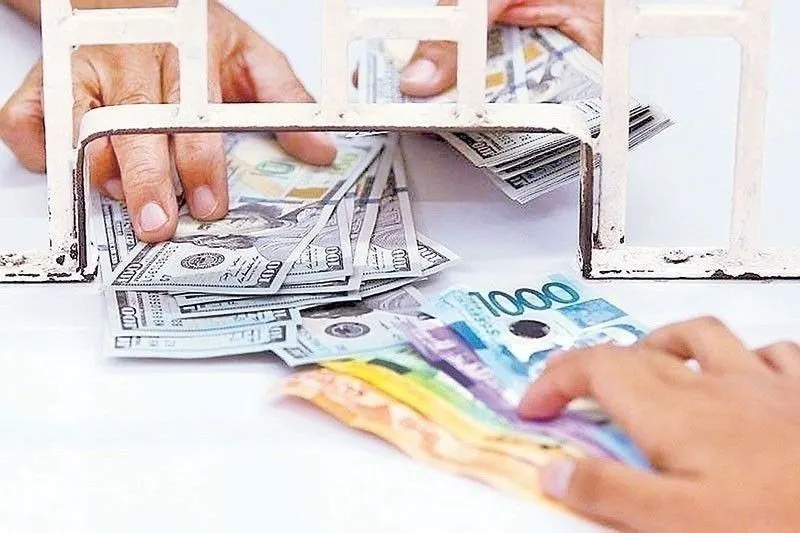
The peso's weakness makes dollar assets attractive to Filipino savers. The currency hit a record low of 64.17 per dollar on 27 October before recovering to around 62, as we reported in our story on the Philippine economy's 2.1 percent growth, and economists at Citi expect it near 64 by March 2027. Inflation of 7.8 percent in October also erodes the value of peso savings.
At the same time, US interest rates are rising, with the Federal Reserve expected to raise its target range in December. That supports the case for a decent coupon on the new bond, although the final rate depends on the 19 November auction. For overseas Filipino workers and families who receive remittances in dollars, holding some of that money in a government dollar bond is an alternative to converting it all into pesos.
There are trade offs. A dollar bond protects against a weaker peso but loses value in peso terms if the peso recovers, and bond prices fall when interest rates rise further. Selling before maturity depends on finding a buyer at a fair price, which can be harder for small retail holdings.
How the main ways to hold dollars compare for a Filipino saver:
- retail dollar bond: government issued, fixed coupon, minimum 200 dollars, held to maturity
- bank dollar deposit: easy access, but deposit rates are usually lower
- dollar money market fund: flexible, but returns move with rates and fees apply
- stablecoins: dollar exposure on crypto platforms, without government backing
- cash dollars at home: no interest and a risk of loss or theft
What to watch this week
The rate set on 19 November will decide how attractive the bond is against bank deposits and other dollar products, and whether demand reaches the 500 million dollars some traders expect. The offer's success will also show how far digital channels such as GCash and PDAX can bring first time investors into government securities.
The bond also fits the government's financing plan. The budget deficit is capped at 1.659 trillion pesos this year, or 5.4 percent of GDP, and borrowing in dollars from local savers is one way to fund it without adding to overseas debt markets. We looked at how the country's e-wallets, including GCash, are becoming investment platforms in our comparison of Southeast Asia's e-wallets.
What is the Philippines' third retail dollar bond?
RDB 3, a dollar denominated government bond for individual investors, aiming to raise at least 200 million dollars.
What is the minimum investment?
200 dollars, then increments of 100 dollars.
When can I buy the retail dollar bond?
The public offer runs until 24 November 2026 unless it closes earlier. The bonds are issued on 27 November.
When is the interest rate set?
At a rate setting auction on 19 November 2026.
Where can I buy it?
Through government securities eligible dealers, the Bureau of the Treasury's online facility, the Overseas Filipino Bank and Land Bank apps, GCash's GBonds and PDAX.
How much did earlier retail dollar bonds raise?
1.59 billion dollars in September 2021 and 1.26 billion dollars in October 2023.
What interest did earlier retail dollar bonds pay?
1.375 and 2.25 percent in 2021, and 5.75 percent in 2023.
How much demand is expected?
A trader said the government could reach its target or come close to 500 million dollars if the price is right.
Why buy a dollar bond?
To earn interest in dollars and protect savings from a weaker peso, which hit a record low of 64.17 per dollar in October.
What are the risks?
If the peso strengthens, the bond loses value in peso terms, and its price falls if interest rates rise further.
Does the government need the money?
It has already completed its 2026 overseas commercial borrowing of 5.3 billion dollars, so the retail bond lets it borrow dollars from local savers.
Can I buy it through GCash?
Yes, through GCash's GBonds platform.
Can I buy it through a crypto exchange?
Yes. PDAX, the Philippine Digital Asset Exchange, is one of the selling channels.
What is the Philippines' deficit cap this year?
1.659 trillion pesos, or 5.4 percent of GDP.
Is the retail dollar bond safe?
It is issued by the Philippine government, so its credit risk is that of the sovereign. It still carries currency and interest rate risk.
The Philippines is putting government dollar bonds in its citizens' phones at a moment when many are worried about the peso. With a 200 dollar minimum and sales through GCash and PDAX, RDB 3 is the most accessible dollar investment the government has offered, and the 19 November rate will show how generous it is. For savers caught between record low peso rates and 7.8 percent inflation, it is one of the simplest ways to hold dollars that pay interest.
Talk to the SpinDepth deskYou've finished this story
Read on, send it to someone, or ask about it.