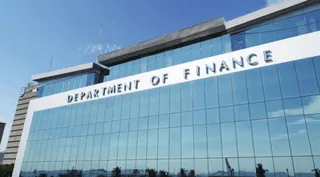
How big is Thailand's 2027 budget? Barely bigger than last year's. Approved expenditure for the 2027 fiscal year is 3,788 billion baht, about 113 billion dollars, an increase of just 0.2 percent, according to an analysis in The Diplomat. It is the second year in a row that spending has been held only slightly above 2025 levels, and the deficit is projected to narrow to 3.8 percent of GDP.
The freeze marks a turning point. After years of pandemic era borrowing and costly stimulus, including a large digital wallet cash handout, Thailand's public debt has reached 66.4 percent of GDP. The government is now facing up to the limits of its fiscal space, just as the economy remains stuck in low growth. For businesses, investors and households, it means less government support at a time when private demand is weak.
What the budget does and does not do
The most notable feature of the 2027 budget is what it does not do: it barely increases spending at all, The Diplomat noted. The ministries of transportation and agriculture face cuts, while police and military spending will hold steady. Capital expenditures, such as infrastructure investment, are expected to fall.
Health, education and social welfare will see small increases, but there are no major new and costly programmes. Revenue is expected to rise 3 percent. If everything goes to plan, the combination of flat spending and rising revenue would allow the government to start rebuilding its fiscal position, which has been deteriorating since the pandemic.
The budget also implies less borrowing, with the deficit projected at 3.8 percent of GDP. That is a tacit acknowledgement that Thailand cannot keep running large deficits indefinitely, The Diplomat said.
The composition of spending matters as much as the total. Shifting money away from capital investment and toward current spending, such as salaries and welfare, can support households in the short term but may reduce the economy's long term growth potential. Infrastructure investment has historically helped Thailand attract manufacturing and tourism.
How Thailand got here
In 2019, Thailand's fiscal position was strong. The economy was riding years of current account surpluses thanks to booming exports, and the budget forecast a deficit of 2.7 percent of GDP, with actual borrowing ending at just 2.1 percent as revenue beat expectations. The pandemic changed everything.
In 2020 and 2021, Thailand ran large deficits to fund stimulus and support healthcare and social protection, as did every country in the region. But Thailand tried to return to normal sooner than most, cutting spending by 5.6 percent in 2022. When the recovery remained weak, the government reversed course and increased spending again, including on the digital wallet programme.
Thailand spent its way through the pandemic and then spent again when recovery stalled. The 2027 budget is the bill arriving.
The fiscal deficit in 2025 rose back to pandemic era levels of nearly 5 percent of GDP, and in absolute terms the government borrowed more in 2025 than at the height of the pandemic, according to The Diplomat. Preliminary figures for fiscal 2026, which ended in September, indicate revenue was lower than expected and borrowing higher.
The digital wallet programme was one of the most expensive stimulus measures in Thailand's history, designed to give cash to tens of millions of people to spend locally. Its mixed results have become a cautionary tale in debates about how governments should support weak economies with limited fiscal space.

Why the economy is stuck
Budget planners have wrestled with the same problem for years. The economy never fully recovered from the pandemic and remains in a low growth equilibrium, The Diplomat said. Rising protectionism globally and increasing competition from Vietnam have made it hard for Thailand to export its way out of trouble.
High household debt is another drag. With consumers already heavily borrowed, they have limited capacity to drive a recovery through spending. Thai banks have felt the pressure too, as we covered in our report on falling profits at Kasikornbank and SCB X. The digital wallet programme was an ambitious attempt to jump start demand by giving cash directly to consumers, but it was not as effective as hoped and added to the debt burden.
Tourism, a pillar of growth, has also disappointed, with arrivals below target. The government recently delayed a planned departure tax to protect the sector, as covered in our report on Thailand's delayed departure tax, a sign of the tension between raising revenue and supporting growth.
Ageing is another long term pressure. Thailand's population is growing older quickly, which will increase spending on healthcare and pensions while reducing the share of people of working age. That demographic shift makes rebuilding fiscal space now more important, because future governments will face rising costs whatever the state of the economy.
The trade off between discipline and growth
A spending freeze helps stabilise public finances, but it also means less fiscal firepower for targeted programmes that could help revive growth, The Diplomat noted. Cuts to capital spending, in particular, could weigh on infrastructure investment that supports long term productivity.
As long as the economy remains sluggish, revenue collection will stay weak, limiting the government's room to manoeuvre. That creates a difficult cycle: low growth constrains revenue, which constrains spending, which in turn limits support for growth. The key challenges facing Thailand's fiscal policy include:
- Public debt at 66.4 percent of GDP
- Weak revenue from a slow growing economy
- High household debt limiting consumer spending
- Export competition from Vietnam and global protectionism
- Pressure to support tourism without new taxes
Economists often argue that the timing of fiscal tightening matters. Cutting spending while growth is weak can slow the economy further, while delaying consolidation risks higher debt and borrowing costs later. Thailand's choice to freeze rather than cut reflects an attempt to balance those risks, avoiding drastic austerity while signalling restraint.
Monetary policy could ease some of the burden. If inflation stays contained, lower interest rates could support borrowers and spending, partly offsetting the lack of fiscal stimulus. But with household debt already high, lower rates may have limited power to drive new borrowing.
What it means for investors and households
For investors, a disciplined budget may reassure bond markets and credit rating agencies that Thailand is serious about stabilising its debt. But it offers little direct stimulus for corporate earnings or the stock market. Infrastructure contractors may see fewer new projects as capital spending falls.
For households, the absence of new handouts means relief will have to come from elsewhere, such as lower interest rates or a recovery in tourism and exports. The budget signals that the era of large scale stimulus is over, at least for now, and that Thailand will have to find growth without relying on government spending.

How big is Thailand's 2027 budget?
Approved expenditure is 3,788 billion baht, about 113 billion dollars, up just 0.2 percent from 2026.
What is Thailand's projected deficit for 2027?
The deficit is projected at 3.8 percent of GDP.
How high is Thailand's public debt?
Total public debt was 66.4 percent of GDP as of 31 March 2026.
Which ministries face cuts?
The ministries of transportation and agriculture face cuts, and capital spending is expected to fall.
Which areas get more money?
Health, education and social welfare will see small increases.
Is military spending rising?
Police and military spending will hold steady.
How much will revenue grow?
Revenue is expected to rise 3 percent.
Why is Thailand freezing spending?
After years of borrowing and stimulus, the government is running out of room for large deficits.
What was Thailand's deficit in 2025?
The deficit rose to nearly 5 percent of GDP, and the government borrowed more than at the height of the pandemic.
Did the digital wallet programme work?
The Diplomat said it was expensive and not as effective as hoped in boosting the economy.
Why is Thailand's economy growing slowly?
The economy never fully recovered from the pandemic and faces high household debt, protectionism and competition from Vietnam.
What was Thailand's fiscal position in 2019?
Strong. The 2019 budget forecast a 2.7 percent deficit, and actual borrowing ended at 2.1 percent.
What happened to fiscal 2026?
Preliminary figures indicate revenue was lower than expected and borrowing higher.
Is there new stimulus in the 2027 budget?
No. There are no major new and costly programmes on the agenda.
What does the budget mean for investors?
It may reassure bond markets but offers little stimulus for earnings, and fewer infrastructure projects as capital spending falls.
Why is Thailand cutting capital spending?
Capital spending is often easier to delay than salaries or welfare, so it tends to be cut first when governments need to hold total spending flat, even though it supports long term growth.
Thailand's 2027 budget freezes spending and narrows the deficit as public debt reaches 66.4 percent of GDP. It marks the end of years of stimulus that failed to lift the economy out of low growth. The challenge now is finding growth without the government's chequebook, while households carry heavy debt and tourism lags.
Talk to the SpinDepth deskYou've finished this story
Read on, send it to someone, or ask about it.