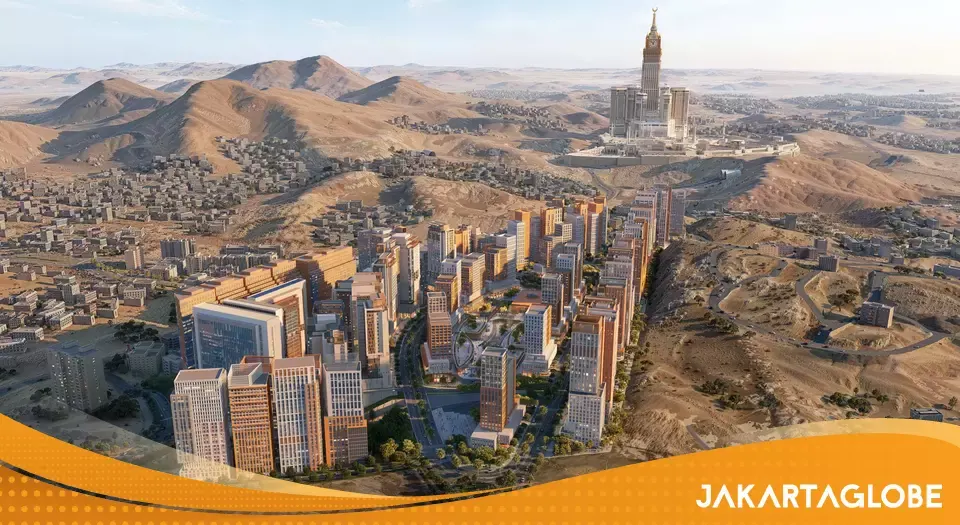
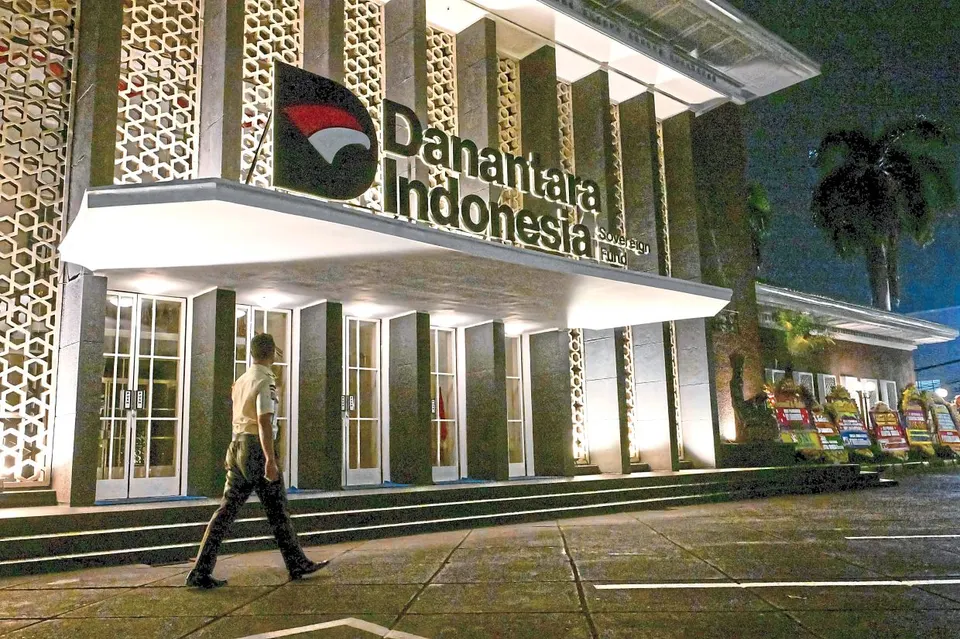
Can a foreign country own land in Mecca? Indonesia now does. The country's sovereign wealth fund Danantara has completed the purchase of 4.4 hectares of land in the Thakher Makkah development, making Indonesia the first foreign state to own property in Islam's holiest city, according to the Jakarta Globe. The land will be used to build an integrated complex for pilgrims, part of a long promised "Hajj village" for Indonesians.
The deal is both symbolic and commercial. Indonesia, the world's largest Muslim majority country, sends more than 200,000 Hajj pilgrims and around 2 million Umrah pilgrims to Mecca every year, and accommodation near the Grand Mosque is scarce and expensive. For Danantara, a fund that has faced scrutiny over its role in Indonesia's turbulent markets, it is a high profile overseas bet that blends faith, diplomacy and real estate.
What Danantara bought
Danantara, through its investment holding company PT Danantara Investment Management, acquired the land plots within Thakher Makkah, a major urban development in the city. The purchase follows the 11 August handover of the Novotel Makkah Thakher City, an operating hotel with 1,461 rooms and suites, according to The Star, citing The Jakarta Post.
The new land is intended to provide space for future expansion under a strategic agreement between Danantara and Thakher Development announced on 14 December 2025. The fund plans to use it for hospitality facilities, retail and supporting amenities as part of a complex called Bait Jemaah. Danantara will now move to feasibility studies, approvals and licensing, without disclosing a timeline for groundbreaking.
The purchase was made possible by Saudi Arabia's decision to allow foreign property ownership, part of the kingdom's efforts to attract investment under its Vision 2030 programme. Thakher Development chief executive Faisal Adnan Shaker said the transaction was completed in 10 months from signing to ownership transfer.
Why Indonesia wants a Hajj village
Hajj, the pilgrimage to Mecca, is required at least once in a lifetime for Muslims who are physically and financially able. Indonesia sent around 221,000 pilgrims this year, according to the Jakarta Globe. Because of quotas and long waiting lists, which can stretch for years, many Indonesian pilgrims are elderly by the time they travel, making comfortable accommodation and easy access to the Grand Mosque especially important.
President Prabowo Subianto instructed Danantara to lead the multi billion dollar project to build a Hajj village within reach of Masjid al-Haram, the Grand Mosque. The average Hajj cost for 2027 is set at 98.47 million rupiah, about 5,500 dollars, per pilgrim, according to the government. Controlling accommodation could, in principle, help manage costs and quality for Indonesian pilgrims.
Indonesia is not just buying hotel rooms in Mecca. It is buying a permanent place for its pilgrims in the holiest city of Islam, and that carries weight no balance sheet can measure.
"Our focus is to manage these assets with strict investment discipline while developing an integrated ecosystem that improves the quality of accommodation and services for pilgrims from Indonesia and other countries," Danantara chief executive Rosan Roeslani said.

The commercial case
Danantara presents the project as a commercial investment, not only a service to pilgrims. Chief investment officer Pandu Sjahrir said combining an operating hotel with land for future expansion would allow the fund to grow alongside Saudi Arabia's pilgrimage ecosystem. "We will pursue the next stages in a measured manner, guided by commercial feasibility, regulatory requirements and prudent governance, to create sustainable long term value," he said.
Demand for accommodation in Mecca is enormous and steady. Around 2 million Indonesians perform Umrah, the minor pilgrimage that can be made at any time of year, in addition to Hajj pilgrims. Pilgrims from other countries could also stay in the complex, which Pandu said would introduce Indonesian culture, hospitality and cuisine to international visitors.
Rosan also signalled that Danantara is looking at opportunities in Medina, Islam's second holiest city, and in sectors beyond property. Al-Khomasiah Group, the local partner, said the deal reflected growing international investor confidence in Saudi Arabia's hospitality and property sectors.
Saudi Arabia plans to welcome far more pilgrims and visitors in the coming years under Vision 2030, which supports demand for hotel rooms near the holy sites. Owning land in a major development close to the Grand Mosque gives Danantara exposure to that growth, alongside the steady flow of Indonesian pilgrims.
Questions at home
The overseas push comes as Danantara faces questions about its domestic role. The fund has said it could buy Indonesian stocks during sell offs if valuations are attractive, as we covered in our report on Danantara's plan to buy the dip, and Indonesia's market has been rocked by MSCI's demotion threat and record manipulation fines, as covered in our report on Indonesia's record stock fines.
Critics of sovereign funds often ask whether investments are driven by returns or by politics. Danantara insists the Mecca project will follow commercial discipline, but its returns will be scrutinised given the political importance of Hajj to Indonesian voters. The key questions for the project include:
- How much the full Hajj village will cost and how it will be funded
- Whether accommodation will lower costs for Indonesian pilgrims
- What returns Danantara expects from hotels and retail
- How quickly approvals and construction can proceed
- Whether investments will extend to Medina and other sectors
Danantara's governance has also drawn attention at home. Analysts have reported tensions between the fund and the finance ministry over dividends from state owned enterprises, which Danantara now oversees. How the fund balances commercial returns, political priorities and its responsibilities to the state budget will shape how investors judge projects such as the Mecca complex.
The size of the overall Hajj village investment has been described as multi billion dollar, but detailed figures, funding sources and expected returns have not been published. Transparency on those points would help answer critics who question whether a sovereign fund should take on such a politically sensitive project abroad.
What it means
For Indonesia, the deal deepens ties with Saudi Arabia and gives the country a tangible stake in the pilgrimage that millions of its citizens make. For Saudi Arabia, a foreign state investor validates its opening of property ownership to foreigners and supports its goal of hosting far more pilgrims and visitors.
For Indonesian pilgrims, the impact will depend on execution. If the complex delivers affordable, high quality accommodation near the Grand Mosque, it could improve the experience for elderly pilgrims who wait years for their turn.
There is also a regional dimension. Malaysia, Pakistan, Bangladesh and other Muslim majority countries also send large numbers of pilgrims to Mecca each year. If Indonesia's model proves successful, other governments or their investment arms may seek similar arrangements as Saudi Arabia opens its property market to foreign ownership.
Can foreign countries own land in Mecca?
Saudi Arabia now allows foreign property ownership, and Indonesia became the first foreign state to own property in Mecca through Danantara.
How much land did Danantara buy in Mecca?
Danantara acquired 4.4 hectares of land in the Thakher Makkah development.
What else does Danantara own in Mecca?
It owns the Novotel Makkah Thakher City hotel, with 1,461 rooms and suites, handed over on 11 August 2026.
What is the Hajj village?
It is a planned accommodation complex for Indonesian and other pilgrims near the Grand Mosque, led by Danantara.
What is Bait Jemaah?
It is the name of Danantara's planned integrated pilgrim complex with hospitality, retail and supporting facilities.
Who is Danantara's local partner?
Al-Khomasiah Group is the local development partner.
Who ordered the project?
President Prabowo Subianto instructed Danantara to lead the Hajj village megaproject.
How many Indonesians go on Hajj each year?
Indonesia sent around 221,000 Hajj pilgrims this year, and about 2 million Indonesians perform Umrah annually.
How much does Hajj cost for Indonesians?
The average Hajj cost for 2027 is set at 98.47 million rupiah, about 5,500 dollars, per pilgrim.
When will construction start?
Danantara has not disclosed a timeline and will first conduct feasibility studies and seek approvals.
Will Danantara invest in Medina?
Danantara chief executive Rosan Roeslani said the fund is exploring opportunities in Medina and other sectors.
How long did the deal take?
Thakher Development said the deal was completed in about 10 months from signing to ownership transfer.
Is the project commercial?
Danantara says it will follow commercial feasibility and prudent governance to create long term value.
Why is accommodation important for Indonesian pilgrims?
Long waiting lists mean many pilgrims are elderly, making comfortable lodging near the Grand Mosque important.
What is Danantara?
Danantara is Indonesia's sovereign wealth fund, which manages state assets and investments.
Danantara's purchase of land in Mecca gives Indonesia a historic foothold in Islam's holiest city and a commercial stake in its pilgrimage economy. The project's success will depend on delivering affordable accommodation and real returns. For millions of Indonesian pilgrims, it could eventually mean a closer, more comfortable path to the Grand Mosque.
Talk to the SpinDepth deskYou've finished this story
Read on, send it to someone, or ask about it.