
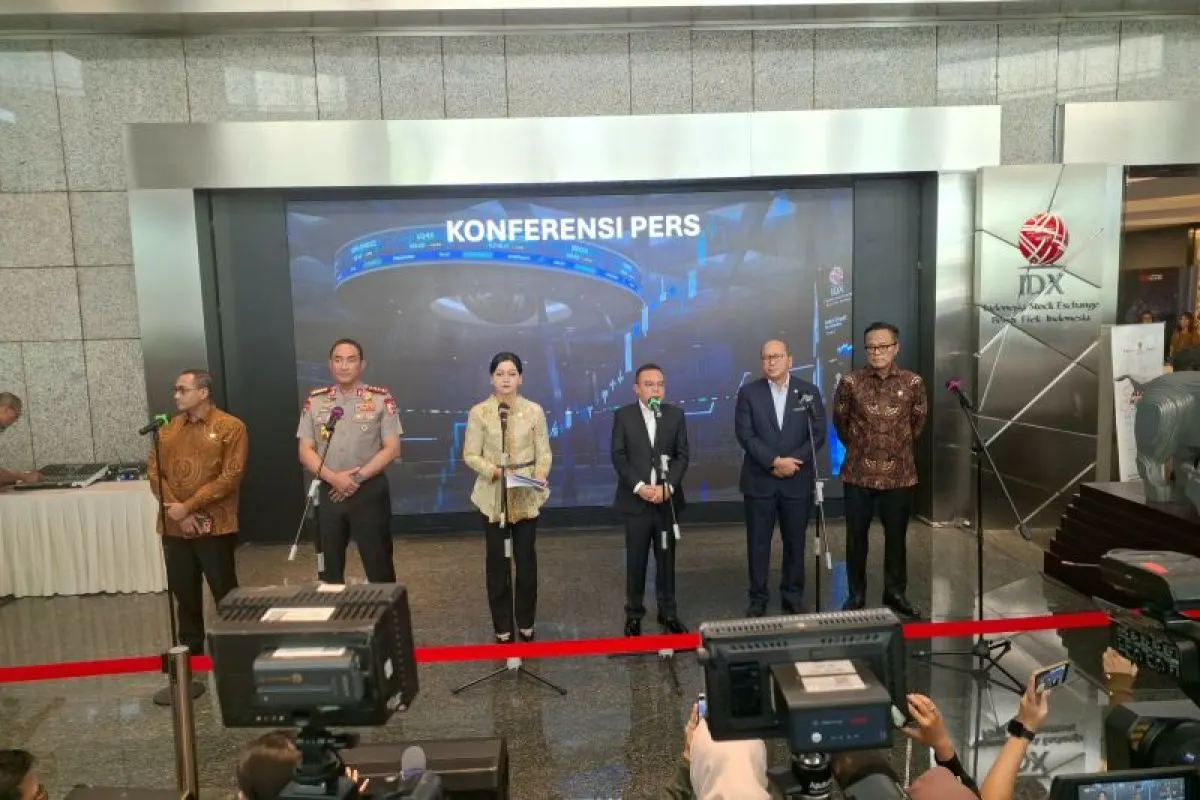
While foreign investors were rushing out of Jakarta, Indonesia's sovereign wealth fund was talking about walking in. A day after stocks suffered their worst crash since 1998, Danantara chief executive Rosan Roeslani called the drop a very good moment to invest in Indonesian stocks, as reported by Antara. The fund had already signalled it would bring billions of dollars home.
According to Fortune, Danantara plans to invest about 5 billion dollars in Indonesian businesses over the next six to nine months. For a market reeling from MSCI's proposal to push it out of the emerging markets index, a large, patient domestic buyer could make a real difference, though it also raises questions about the role of the state in the stock market.
A fund turning homeward
Danantara is Indonesia's flagship sovereign wealth fund, created to manage and invest the state's stakes in major companies and to channel capital into strategic sectors. Its chief investment officer, Pandu Sjahrir, said on 9 October that the fund is looking more domestically over the coming months, a shift that took on new significance after the market crash a week later.
The numbers give a sense of scale. Of a roughly 13 billion dollar investment plan for 2026, the fund had deployed about 5 to 6 billion dollars, leaving substantial capacity for the rest of the year. The 5 billion dollar domestic pledge would represent a major share of that remaining capacity.
Public markets are a key part of the strategy. Danantara's head of public investment, Rani Piputri, told Reuters that the fund has allocated about 3 billion dollars to public markets and plans another 1 billion dollars by the end of the year, according to Asia Asset Management. That suggests the fund could be an active buyer of Indonesian shares at a time when foreign investors are selling.
Buying when others are selling
Rosan Roeslani's comments came on 16 October, the day the Jakarta Composite Index fell nearly 12 percent after MSCI proposed reclassifying Indonesia from an emerging market to a standalone market. Banks and other large stocks plunged as foreign funds rushed to sell ahead of possible forced selling by index trackers.
For a long term investor like a sovereign wealth fund, such moments can be attractive. When prices fall sharply because of forced or panicked selling rather than a collapse in company fundamentals, patient buyers can acquire good assets at lower prices. Danantara's leadership is clearly framing the crash in those terms.
A sovereign fund buying the dip can steady a market, but it cannot buy back the trust that index providers questioned.
There is also a signalling effect. When a state backed fund publicly says it sees value, it can reassure domestic investors and slow the panic. Markets often stabilise when a credible buyer of last resort appears, even before that buyer has spent much money.
The governance question
Danantara's role also raises uncomfortable questions. MSCI's concerns about Indonesia centre on opaque shareholding structures, suspected coordinated trading and weak enforcement. A large state backed fund buying shares in response to a crash could, if not handled transparently, deepen concerns about state influence over market prices.
That does not mean Danantara should stay out. Many countries have sovereign funds that invest in their domestic markets. But transparency about what it buys, why and on what terms will matter, because foreign investors and index providers will be watching to see whether state money is supporting genuine value or propping up prices.
The fund's broader activities show it is not purely focused on supporting the market. Earlier in October, its investment arm committed 250 million dollars to Texas oil and gas producer HighPeak Energy through convertible preferred stock, a sign that it pursues returns and strategic interests both at home and abroad.
What it means for investors
For foreign and domestic investors, Danantara's pledge changes the calculation somewhat. A large domestic buyer could cushion further declines and support liquidity in major stocks, particularly the banks and state linked companies most affected by the sell off. That reduces the risk of a disorderly collapse.
Here is what investors should watch as the fund deploys its capital:
- Which sectors and companies Danantara buys into, and how much.
- Whether its purchases are disclosed clearly and promptly.
- How MSCI views state backed buying during its consultation period.
- Whether domestic investors follow the fund's lead into the market.
We analysed the crash itself in our report on why MSCI wants to push Indonesia out of emerging markets. Danantara's response is one part of Indonesia's answer, but the deeper reforms MSCI demands remain the decisive factor.
Support versus reform
The risk for Indonesia is that market support becomes a substitute for reform. Buying shares can stabilise prices in the short term, but it does not address the concerns that triggered MSCI's proposal. Only clearer ownership disclosure, stronger enforcement against manipulation and better market rules can do that.
The best outcome would combine both. Danantara's capital could provide stability while regulators push through the reforms needed to keep Indonesia in the emerging markets index. If that happens, the fund's purchases at depressed prices could prove highly profitable, and the market could emerge stronger.
The worst outcome would be support without reform, which could leave Indonesia with a state propped market that foreign investors trust even less. The coming months will show which path the country takes.
A patient buyer in an impatient market
Danantara's decision to bring 5 billion dollars home and to call the crash a buying opportunity reflects the advantage of patient capital. Sovereign funds do not face the redemption pressures that force many investors to sell in a panic, and they can wait years for value to be recognised.
That patience could help steady Indonesia's market through a difficult period. But the fund's real contribution will be measured not only by the returns it earns but by whether it supports a market that becomes more transparent and trustworthy, rather than one that relies on the state to absorb every shock.

What is Danantara?
Danantara is Indonesia's sovereign wealth fund, which manages and invests the state's stakes in major companies and channels capital into strategic sectors.
How much does Danantara plan to invest in Indonesia?
The fund plans to invest about 5 billion dollars in Indonesian businesses over the next six to nine months, according to Fortune.
What did Danantara's CEO say about the stock crash?
CEO Rosan Roeslani called the market drop on 16 October 2026 a very good moment for the fund to invest in Indonesian stocks.
How much has Danantara put into public markets?
Its head of public investment said the fund has allocated about 3 billion dollars to public markets and plans another 1 billion dollars by the end of the year.
What is Danantara's total investment plan for 2026?
The fund has a roughly 13 billion dollar plan for 2026, of which it had deployed about 5 to 6 billion dollars, according to reports.
Why did Indonesian stocks crash?
MSCI proposed reclassifying Indonesia from an emerging market to a standalone market, citing concerns over opaque ownership, suspected coordinated trading and weak enforcement, which triggered heavy selling.
Can Danantara's buying fix the MSCI problem?
Not on its own. Buying shares can stabilise prices, but MSCI's concerns require regulatory reforms on ownership disclosure and enforcement.
Does Danantara invest abroad too?
Yes. Earlier in October 2026, its investment arm committed 250 million dollars to US oil and gas producer HighPeak Energy.
What should investors watch next?
Investors should watch which companies Danantara buys, how transparently it discloses its purchases, and how MSCI views state backed buying during its consultation.
Does Danantara own stakes in Indonesian banks?
Danantara manages the state's stakes in major Indonesian companies, which include large state owned banks. Those banks were among the stocks hit hardest in the 16 October sell off.
Is it unusual for a sovereign fund to buy domestic stocks in a crash?
Not entirely. Several countries have used state backed funds to support domestic markets during sell offs. The key for investors is transparency about what the fund buys and why, so that support does not distort prices or raise governance concerns.
Could MSCI view Danantara's buying negatively?
MSCI's concerns centre on ownership transparency and market fairness. Clear disclosure of Danantara's purchases would help show that state buying supports genuine value rather than masking the problems MSCI identified.
Danantara is offering Indonesia something markets badly need in a crisis: a large, patient buyer willing to step in when others flee. Its 5 billion dollar homeward pivot could cushion the fall and reassure domestic investors. But the fund cannot repair the trust that MSCI questioned, and its greatest contribution will come if its capital buys time for the reforms that will decide whether Indonesia stays in the world's emerging markets club.
Talk to the SpinDepth deskYou've finished this story
Read on, send it to someone, or ask about it.