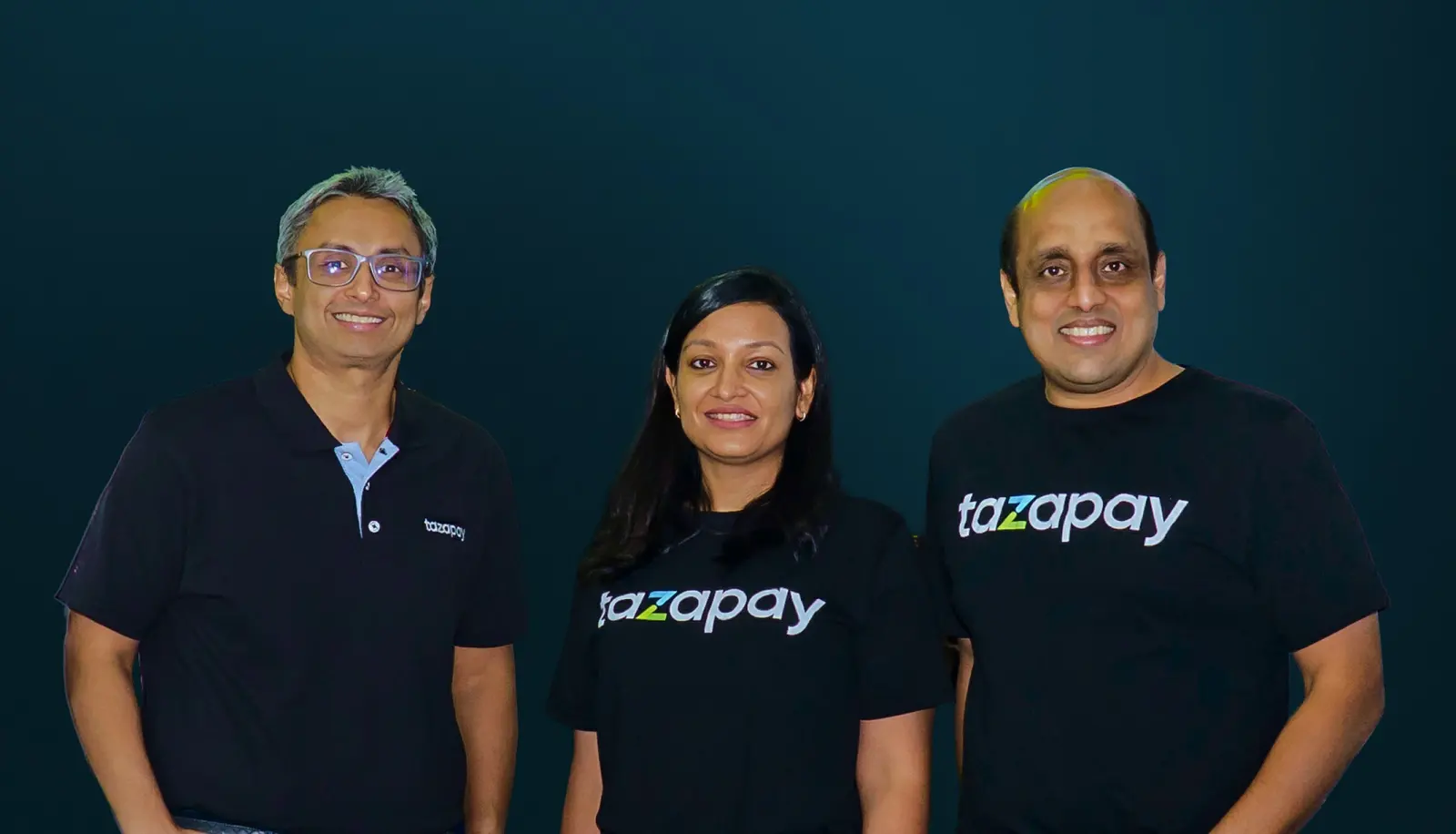
Stablecoins can move across the world in seconds. Getting them into someone's local bank account, in their own currency, is the hard part. Circle, the issuer of USDC, has decided to buy that capability rather than build it. It agreed to acquire Singapore-based Tazapay in an all-stock deal valued at about 400 million dollars, CoinDesk reported. Tazapay offers payout rails across more than 100 markets and processes over 25 billion dollars in annual payments, with about 60 percent of that volume running in stablecoins. The deal, subject to approval by the Monetary Authority of Singapore, is expected to close in 2027.
What Circle is really buying
Circle's largest acquisition since it bought the Poloniex exchange in 2018 is not about technology. It is about licences, banking relationships and local connections. Tazapay has spent years building the regulated infrastructure to pay out funds in local currencies across emerging markets, with ties to banks and payment systems in each country. That is slow, expensive work that cannot be replicated quickly with code.
For Circle, this is the missing piece. USDC can already move between wallets and exchanges globally. What businesses need is a way to receive USDC and pay a supplier in Indonesia, a freelancer in the Philippines or a partner in India in rupiah, pesos or rupees, quickly and in compliance with local rules. Tazapay provides exactly that last-mile conversion.
Circle chief executive Jeremy Allaire has said the acquisition will accelerate USDC adoption. The logic is straightforward. The more places USDC can be turned into local money easily, the more useful it becomes for businesses, and the more of it they will hold.
Licences are a major part of the value. Payment firms need permissions in each market where they move money, and obtaining them can take years. Tazapay arrives with those approvals already in place, plus relationships with local banks willing to handle stablecoin-linked flows, something many banks in the region remain cautious about.

The Tether question
In much of Asia and the emerging world, Tether's USDT is the dominant stablecoin. It is the default for crypto trading and widely used for informal cross-border payments. Circle's USDC has stronger regulatory credentials in the US and Europe but has struggled to match Tether's reach in these markets.
Owning Tazapay changes the competition. Instead of trying to persuade traders to switch tokens, Circle can offer businesses a complete, regulated payment route: receive USDC, convert it, pay out locally. For a company that cares about compliance, auditability and banking relationships, that route is more attractive than an informal USDT network, even if USDT has more liquidity on exchanges.
The competition is also getting more crowded. On 30 September, Visa, Mastercard, Stripe, Coinbase and Shopify launched OUSD, a stablecoin built for mainstream payments with more than 1 billion dollars in seed liquidity. Circle now faces pressure from both Tether in emerging markets and the card networks in mainstream commerce. Local payout rails are one of the few advantages it can secure before others do.
Tether is unlikely to stand still. It has substantial profits and has been investing in infrastructure, partnerships and new markets. The battle between the two largest stablecoin issuers in emerging markets will be fought over exactly the kind of local rails Circle just bought, and Tether may respond with acquisitions of its own.
- Deal: about 400 million dollars, all stock
- Target: Tazapay, Singapore-based cross-border payments firm
- Volume: more than 25 billion dollars a year, about 60 percent in stablecoins
- Coverage: payout rails across more than 100 markets
- Approval: subject to MAS; closing expected in 2027
Why Singapore
Singapore has positioned itself as Asia's regulated hub for digital assets and payments. Its stablecoin framework and payment services licensing give firms a clear legal basis to operate, and its banking sector is deeply connected to the rest of Southeast Asia. A company licensed and banked in Singapore has a credible base for serving the region.
Regulatory approval will be closely watched. The Monetary Authority of Singapore has generally welcomed responsible stablecoin activity but applies strict standards on ownership, governance and anti-money laundering controls. Circle, a US-listed company with a strong compliance record, is the kind of owner MAS is likely to accept, but the review will still take time.
The deal also reflects a broader trend of global players buying Southeast Asian payment and fintech firms. Grab's agreement to take control of Atome and the record GCash IPO show that investors see the region's financial infrastructure as valuable. We covered Tazapay's earlier fundraising in our report on its 36 million dollar round, and the jump to a 400 million dollar exit shows how quickly that value has grown.
Singapore's role as a financial bridge to Indonesia, Malaysia, Thailand, Vietnam and the Philippines also matters. Many regional businesses already bank in Singapore and settle trade through it. A payment network based there can reach the wider region through those existing relationships, which shortens the path to scale for a stablecoin-based service.

Why the price looks reasonable
At about 400 million dollars for a business processing more than 25 billion dollars a year, Circle is paying roughly 1.6 cents for every dollar of annual volume. Payment businesses are usually valued on revenue rather than volume, and margins on cross-border payouts vary widely, but the price looks modest for a regulated network spanning more than 100 markets.
Paying in stock rather than cash also matters. It lets Circle preserve cash while giving Tazapay's shareholders a stake in Circle's future, aligning them with the combined business. For Tazapay's investors, it turns a regional payments company into exposure to one of the world's largest stablecoin issuers.
The jump in value is striking. Tazapay raised 36 million dollars in an earlier round. A 400 million dollar exit shows how much buyers now pay for regulated payment infrastructure in Southeast Asia, especially infrastructure already built around stablecoins.
What it means for payment providers in the region
Independent cross-border payment firms in Southeast Asia now face a competitor backed by one of the world's largest stablecoin issuers. Firms that compete only on price for payouts will feel the pressure. Those with deep local coverage, strong relationships with merchants or specialist services will remain attractive, both as standalone businesses and as acquisition targets for other global players.
For brokers and platforms that pay out to clients across Asia, the deal could mean cheaper and faster stablecoin-to-local-currency withdrawals over time. Withdrawal speed is one of the most common complaints in retail trading, and payout infrastructure owned by a major stablecoin issuer may improve options for regulated firms.
Merchants and marketplaces could benefit too. A Southeast Asian exporter or online seller receiving payment from abroad may eventually be able to accept USDC and receive local currency through Tazapay's rails, avoiding slow correspondent banking. That kind of practical use, rather than trading, is what Circle needs to grow USDC's share outside the crypto economy.
Banks in the region will also take note, since many still avoid stablecoin-linked flows entirely.
Stablecoins can move across the world in seconds. Getting them into someone's local bank account is the hard part.
The risks Circle is taking
Integrating a payments business across dozens of countries is complex. Each market has its own rules, banking partners and risks, and any compliance failure in one market can damage the whole group. Circle will also need to keep Tazapay's existing clients, some of whom may use other stablecoins, while steering volume toward USDC without driving them away.
Regulatory risk extends beyond Singapore. Tazapay operates in many countries, some of which are cautious about stablecoins and capital flows. A change in rules in a major corridor could disrupt volume. Circle will need strong local compliance teams and good relationships with regulators to protect the network it is buying. Payment firms, brokers and banks across Southeast Asia should treat the deal as a signal of where the regional market is heading, and plan their own stablecoin strategies accordingly.
How much is Circle paying for Tazapay?
Circle agreed to acquire Tazapay in an all-stock deal valued at about 400 million dollars.
What does Tazapay do?
Tazapay is a Singapore-based cross-border payments firm with payout rails across more than 100 markets, processing over 25 billion dollars a year, about 60 percent in stablecoins.
When will the Circle Tazapay deal close?
The deal is subject to approval by the Monetary Authority of Singapore and is expected to close in 2027.
Why does Circle want Tazapay?
Tazapay provides the regulated local payout infrastructure that lets businesses convert USDC into local currencies, helping Circle compete with Tether in emerging markets.
The stablecoin race is no longer about which token is better money. It is about who owns the routes in and out of the traditional financial system. By buying Tazapay, Circle has secured one of the most valuable of those routes in Asia. If regulators approve the deal, USDC will arrive in Southeast Asia not as a trading token, but as a complete payment service with local rails attached.
Speak with the SpinDepth desk