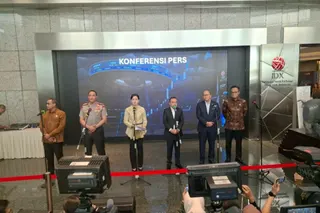

Who was fined in Indonesia's biggest stock market crackdown? Parties linked to three of the country's most prominent listed companies. Indonesia's Financial Services Authority, known as OJK, imposed fines totalling 2.1 trillion rupiah, about 117 million dollars, over trading violations involving companies tied to the Widjaja family's Sinar Mas group and energy tycoon Prajogo Pangestu, according to VnExpress International, citing Reuters. OJK's chair said they were the largest fines the regulator has ever imposed.
The timing is explosive. The fines landed as index provider MSCI consults on demoting Indonesia from emerging market to standalone status over concerns about transparency and coordinated trading, a move that has helped drag the Jakarta Composite Index down 38 percent this year. President Prabowo Subianto has hit back at MSCI, saying Indonesia "fears no one." The clash between a regulator trying to clean up the market and a president defying a global index provider will shape where billions of dollars of foreign money go next.
Who was fined and why
OJK fined a company identified as SMT 1.5 trillion rupiah for manipulating shares of Dian Swastatika Sentosa, part of the Sinar Mas mining and energy group controlled by the Widjaja family, which led to a sharp jump in the share price. A company identified as AH Ltd was fined 500 billion rupiah for obscuring information during the IPO of geothermal company Barito Renewables Energy, and TC Pte Ltd was fined 100 billion rupiah for a similar offence related to the IPO of Petrindo Jaya Kreasi. Barito Renewables and Petrindo are both controlled by Prajogo Pangestu.
The regulator did not name all of the individuals involved. The fines target underwriters, traders, entities involved in IPO share allocations and the ultimate owners linked to the three companies, according to The Business Times. Dian Swastatika, Barito Renewables and Petrindo said in stock exchange filings that they respected OJK's enforcement measures and would follow the rules.
All three stocks had been on OJK's high shareholding concentration list, which flags shares owned by a small group of holders. That concentration is exactly what worries global index providers, because it means few shares trade freely and prices can be moved easily.
How the alleged schemes worked
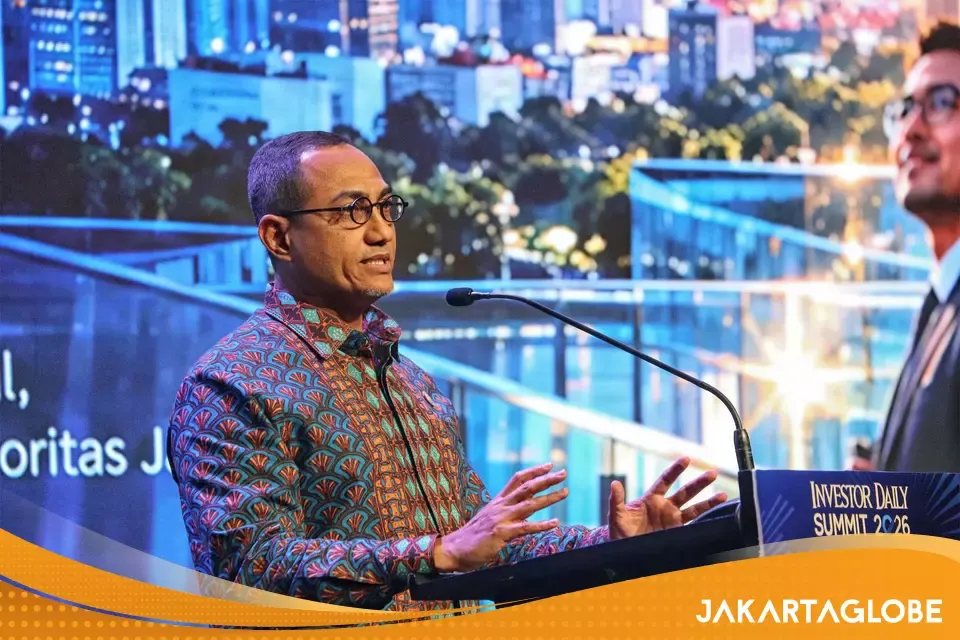
In the DSSA case, OJK said it found evidence of manipulation involving individual and institutional investors trading through several brokerage firms between 2023 and 2026. The transactions were planned and coordinated and caused a significant rise in the share price, said Hasan Fawzi, OJK's executive head of capital market supervision, as reported by the Jakarta Globe. The regulator summoned 12 securities company directors, 15 individuals and 11 foreign legal entities and suspended the licences of brokerage directors found to have broken the rules.
In the Barito Renewables and Petrindo cases, OJK said parties affiliated with the controlling shareholders concealed their affiliations and received a large portion of shares before the IPOs. That limited the number of shares available to the public and concentrated ownership in a tight group. OJK said it sought information from four underwriters and three custodians and traced fund flows.
When a handful of insiders hold most of a company's shares, the price on the screen tells you very little. Indonesia is now admitting that problem out loud.
The violations relate to Articles 91 and 92 of Indonesia's Capital Market Law, which prohibit market manipulation and misleading conduct, as amended by the financial sector reform law known as the P2SK Law.

The MSCI threat and Prabowo's response
The fines come at a tense moment. MSCI launched a consultation on a proposal to reclassify Indonesia from emerging market to standalone status, citing concerns over transparency, ownership concentration and investability, a move that triggered a trading halt and a sharp sell off. OJK chair Friderica Widyasari Dewi said the enforcement actions were part of an ongoing process and were not prompted by MSCI's announcement.
Prabowo took a defiant line. "Our country continues to face all sorts of disturbances, including the MSCI. They are trying to intimidate us," he told his Cabinet, according to AP, as cited by VnExpress. "I simply want to tell MSCI: the Indonesian nation fears no one and will never back down." The comments reflect a government that sees the index provider's warning as external pressure, even as its own regulator tightens enforcement.
The pressure on Indonesian assets has been intense. Singapore's state investors have denied claims linking them to the market turmoil, as we covered in our report on Temasek and GIC rejecting MSCI related claims, and the sovereign fund Danantara has signalled it could buy stocks during sell offs, as covered in our report on Danantara's plan to buy the dip.
Billionaires' fortunes and the wider clean up
The market's slide has hit Indonesia's richest families. Prajogo Pangestu, who was the country's richest man at the end of 2025 with 39.5 billion dollars, has seen his wealth fall nearly 70 percent, according to VnExpress. Coal tycoon Low Tuck Kwong's net worth fell more than 50 percent to 10.9 billion dollars, and banking and tobacco tycoon Robert Budi Hartono's fortune fell 38 percent to 13.3 billion dollars.
OJK says the clean up is broad. It has sanctioned or taken enforcement action against 835 parties since January and levied more than 390 billion rupiah in penalties before the latest fines. Of the 61 stocks on the high shareholding concentration list, 31 have been examined and show indications of potential capital market crimes. Reforms since January include lowering the shareholding disclosure threshold from 5 percent to 1 percent and expanding investor classifications from nine to 39 categories. The key reforms and enforcement steps so far include:
- Record fines on parties linked to DSSA, BREN and CUAN
- Lower disclosure threshold for shareholdings, from 5 to 1 percent
- Expanded investor classifications, from nine to 39 categories
- Examination of 31 stocks on the concentration list
- Suspension of licences of brokerage directors involved
What it means for investors
For foreign investors, the fines are a double edged signal. They show that the regulator is willing to act against politically connected and powerful groups, which supports the case that Indonesia is fixing the problems MSCI identified. But they also confirm that manipulation and concealed ownership affected some of the market's most valuable stocks, which can deepen distrust in the short term.
The outcome of MSCI's consultation will be decisive. A demotion to standalone status would force passive funds tracking emerging market indexes to sell Indonesian shares, potentially worth billions of dollars. Continued enforcement, transparent ownership data and clear rules on IPO allocations are the steps most likely to persuade MSCI and global investors that Indonesia's market can be trusted.
Who was fined in Indonesia's record stock market penalties?
Parties linked to Dian Swastatika Sentosa, Barito Renewables Energy and Petrindo Jaya Kreasi were fined a total of 2.1 trillion rupiah.
How much were the fines?
The fines totalled 2.1 trillion rupiah, about 117 million dollars, the largest ever imposed by OJK.
Why was DSSA fined?
A party identified as SMT was fined 1.5 trillion rupiah for manipulating Dian Swastatika Sentosa shares, causing a sharp price jump.
Why were the BREN and CUAN cases penalised?
OJK said parties affiliated with controlling shareholders concealed their links to secure large IPO allocations, limiting public supply.
Which business groups are linked to the companies?
DSSA is part of the Widjaja family's Sinar Mas group, while BREN and CUAN are controlled by Prajogo Pangestu.
What is the high shareholding concentration list?
It is an OJK list of stocks owned by a small group of shareholders, which can make prices easier to move.
How many stocks are under scrutiny?
Of 61 stocks on the list, 31 have been examined and show indications of potential capital market crimes.
What is MSCI considering?
MSCI is consulting on reclassifying Indonesia from emerging market to standalone market status.
What did Prabowo say about MSCI?
He said MSCI was trying to intimidate Indonesia and that the Indonesian nation fears no one and will never back down.
How far has the Jakarta Composite Index fallen?
The index was down 38 percent year to date, according to VnExpress.
How have Indonesian billionaires been affected?
Prajogo Pangestu's wealth has fallen nearly 70 percent from 39.5 billion dollars at the end of 2025.
Did the companies respond?
The three companies said in filings that they respected OJK's enforcement measures and would follow the rules.
What reforms has Indonesia made?
Reforms include lowering the shareholding disclosure threshold to 1 percent and expanding investor classifications to 39 categories.
Were the fines prompted by MSCI?
OJK's chair said the enforcement was part of an ongoing process and not prompted by MSCI's announcement.
What happens if MSCI demotes Indonesia?
Passive funds tracking emerging market indexes would have to sell Indonesian shares, potentially worth billions of dollars.
Indonesia's record fines show a regulator finally confronting manipulation and concealed ownership at the top of its stock market. Yet the president's defiance of MSCI sends a different message to global investors weighing a demotion. Whether enforcement or politics wins out will decide if foreign capital returns to Jakarta or keeps leaving.
Talk to the SpinDepth deskYou've finished this story
Read on, send it to someone, or ask about it.