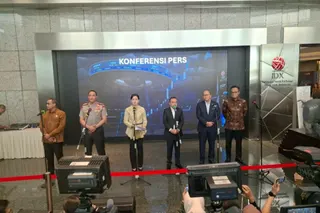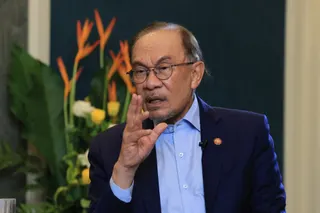
Who will run the Singapore Exchange next? That question is now officially open. Chief executive Loh Boon Chye told shareholders at SGX's annual general meeting on 23 October that he had asked chairman Koh Boon Hwee to "begin planning for an eventual transition in the CEO role", as reported by The Business Times. His contract runs until mid July 2027, and no date has been set.
Loh leaves a split legacy. He turned SGX into a highly profitable derivatives powerhouse and doubled its earnings, but Singapore's stock market itself kept shrinking, with delistings outnumbering new listings for more than a decade. His successor will inherit a record setting exchange and an unsolved problem at the heart of Singapore's ambitions as a financial centre.
What Loh said
"We have a clear strategic direction, a very capable leadership team and the momentum to take SGX much further," Loh told shareholders, according to Bloomberg. "With this in mind, I recently shared with our chairman that we should begin planning ahead for an eventual transition in the CEO role."
He said he would work closely with Koh and the board on the timing and arrangements to ensure a smooth and seamless handover. With his contract running to July 2027, there is ample time to find a successor, whether from inside the exchange or from the global markets industry where Loh himself came from.
Before joining SGX, Loh was Bank of America's head of Asia Pacific global markets, where he was known as the "flow monster" for his ability to drive trading volumes and liquidity. That background shaped his strategy at the exchange.
The derivatives machine he built
Loh's big bet was multi asset trading. Under his leadership, SGX expanded its derivatives business along with fixed income, currencies and commodities, which together now generate more than 60 percent of revenue. Products such as equity index futures on Asian markets, iron ore and other commodity contracts, and currency futures turned SGX into a regional hub for hedging and trading.
The financial results speak for themselves. SGX's annual net profit doubled to 698 million Singapore dollars under Loh, and the exchange recently reported its highest revenue and net income since its 2000 listing, with broad growth across equities, currencies and commodities. Its shares have climbed more than 22 percent this year, giving it a market capitalisation of 22.2 billion Singapore dollars.
Loh built SGX into a world class trading venue for Asia's risk. He did not manage to make it a place where Asian companies want to list.
That success came from looking beyond Singapore. Much of SGX's derivatives volume comes from global investors trading exposure to China, India and other Asian markets, rather than from Singapore companies.

The equity market problem
The weakness is the cash equity market. Singapore's stock market has suffered from poor trading liquidity and low valuations for many listed companies, and stock delistings have outnumbered listings every year for more than a decade. The 604 Singapore listed companies had a combined market capitalisation of 1.2 trillion Singapore dollars as of August.
The government has stepped in. A task force has been working on ways to revive the local market, including a 6.5 billion Singapore dollar programme that allocates money to fund managers, including JPMorgan Asset Management and BlackRock, to invest in local equities. The effort coincides with a strong run: the Straits Times Index hit a record high in September, has gained more than 16 percent this year and is on track for its third consecutive annual gain, its longest winning streak since 2014.
Regional partnerships are part of the plan too. SGX and the Philippine Stock Exchange have been deepening links on depository receipts and market access, aiming to give investors easier access to each other's markets. The key challenges for Loh's successor include:
- Reversing the long trend of delistings outnumbering new listings
- Attracting regional growth companies, including fintechs, to list in Singapore
- Improving liquidity and valuations for mid and small cap stocks
- Sustaining derivatives growth amid competition from other Asian exchanges
- Deepening links with regional exchanges such as the PSE
Why the timing matters
The leadership change comes at a crucial time for the exchange. Singapore is pushing hard to rejuvenate its stock market, and Southeast Asia is producing a new generation of companies that could list, from digital banks to AI infrastructure firms. Whether they choose Singapore, their home markets or New York will shape SGX's future.
The competition is visible. The Philippine Stock Exchange is courting Maya after GCash's record IPO, while Maya's foreign backers may prefer New York, as we covered in our report on the Maya IPO debate. Hong Kong has been on track for a record IPO year, drawing Chinese and some Southeast Asian issuers.
For investors, the succession matters because SGX's strategy will shift with its leader. A successor from the trading world might double down on derivatives, while one focused on capital raising might prioritise listings and the cash equity market.
What comes next
The board will now search for a successor, a process that could take months given the length of Loh's contract. Watch for whether SGX looks inside, to senior executives who have run its derivatives and equities businesses, or outside, to global exchange or investment banking leaders.
Whoever takes over will start from a position of strength: record profits, a rising share price and government backing for a market revival. The test will be turning those advantages into what Singapore has struggled to deliver for a decade, a stock market that companies want to join rather than leave.

Is SGX CEO Loh Boon Chye stepping down?
Loh told shareholders on 23 October 2026 that he has asked the board to begin planning for an eventual transition in the CEO role.
When does Loh's contract end?
His contract runs until mid July 2027, and no specific date for the transition has been set.
How long has Loh led SGX?
Loh has been chief executive since July 2015, more than 11 years.
Who is SGX's chairman?
Koh Boon Hwee is chairman of the Singapore Exchange.
What did Loh achieve at SGX?
He expanded derivatives, fixed income, currencies and commodities, which now generate more than 60 percent of revenue, and doubled annual net profit to 698 million Singapore dollars.
What was Loh's previous job?
He was Bank of America's head of Asia Pacific global markets, known as the flow monster for driving trading volumes.
How many companies are listed on SGX?
There were 604 Singapore listed companies with a combined market capitalisation of 1.2 trillion Singapore dollars as of August 2026.
Why is Singapore's stock market struggling?
Poor liquidity and low valuations have led to more delistings than listings every year for more than a decade.
What is Singapore doing to revive its stock market?
A government task force has backed a 6.5 billion Singapore dollar programme for fund managers including JPMorgan Asset Management and BlackRock to invest in local equities.
How has the Straits Times Index performed?
The STI hit a record high in September 2026 and has gained more than 16 percent this year.
How have SGX shares performed?
SGX shares have climbed more than 22 percent in 2026, giving the exchange a market value of 22.2 billion Singapore dollars.
Who could succeed Loh?
No successor has been named. The board will consider candidates as part of the transition planning.
Is SGX working with other exchanges?
Yes. SGX and the Philippine Stock Exchange have been deepening links on depository receipts and market access.
Has SGX reported record results?
Yes. SGX recently reported its highest revenue and net income since its 2000 listing.
How long is the succession runway?
Loh's contract runs until mid July 2027, which gives the board more than eight months to plan the handover from his October 2026 announcement.
How many years has SGX's index risen?
The Straits Times Index is on track for its third consecutive annual gain in 2026, its longest winning streak since 2014.
Who manages the S$6.5 billion programme?
Fund managers including JPMorgan Asset Management and BlackRock are among those allocated money to invest in Singapore equities under the government backed programme.
Why is liquidity a problem on SGX?
Many Singapore listed companies trade thinly and at low valuations, which discourages new listings and has led to more delistings than listings each year.
What will the new CEO inherit?
The successor will inherit record revenue and profits, a rising share price, government support for the equity market and a long running challenge to attract new listings.
Loh Boon Chye's planned exit closes a decade in which SGX became one of Asia's most profitable exchanges while Singapore's stock market struggled to grow. His successor inherits record earnings, government support and a rising index, but also the long running challenge of attracting companies to list. How SGX balances its trading success with its listing ambitions will define its next chapter.
Talk to the SpinDepth deskYou've finished this story
Read on, send it to someone, or ask about it.