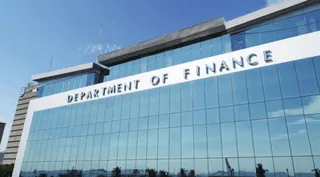

Will tourists have to pay a departure tax to leave Thailand? Not for now. Finance Minister Ekniti Nitithanprapas has delayed a proposed 1,000 baht departure tax, about 30 dollars per trip, that would have applied to travellers of every nationality flying out of the country, according to VnExpress International, citing Nation Thailand. He said the government wants to sustain the tourism recovery, especially as rising fuel costs put pressure on airlines.
The retreat followed a rare revolt by Thailand's travel industry. Airlines, travel agents and hotel operators warned that the tax could cost the country far more in lost tourism than it would raise. But the story is not over: a separate 450 baht entry fee for foreign tourists is still planned for 2027, and the departure tax law, if passed, would allow a charge of up to 5,000 baht in future. For anyone planning a trip to Thailand, the cost of visiting is still in play.
Why the government changed course
Earlier in October, the Revenue Department invited public feedback on a draft bill proposing the 1,000 baht levy, which would have been bundled into airfares. The government said the measure aimed to make better use of existing resources, uphold fiscal discipline and provide flexibility to respond to emergencies.
Ekniti said introducing the tax now would increase costs for the public and airlines while placing an extra burden on foreign tourists. The government expects tourism activity to remain strong in the fourth quarter and wants to preserve that momentum, according to VnExpress. The decision also came after Thailand hosted the International Monetary Fund and World Bank annual meetings, which the government saw as a boost to the country's international image.
Fuel costs were a key factor. Oil prices have surged this year because of conflict in the Middle East, raising airline operating costs. Adding a new tax on top of higher fares could have discouraged travel at a sensitive moment for the industry.
The fiscal pressure behind the proposal has not gone away. Thailand's public finances are stretched after years of stimulus and borrowing, and the government needs new revenue. The departure tax was one option to raise money from travellers rather than from domestic taxpayers, which is why it could return once tourism is on firmer footing.
The industry backlash
The proposal drew fierce criticism. Thai AirAsia executive chairman Tassapon Bijleveld warned that the departure tax threatened international flights and Thailand's tourism industry, according to Thai Examiner. His concerns were shared across the Airlines Association of Thailand, which represents seven carriers. Hotel operators and travel agents also objected.
Travel agents estimated the measure could cost Thailand up to 150 billion baht a year in lost tourism receipts, against projected tax collections of just 45.9 billion baht, Thai Examiner reported. Airlines argued that weaker outbound demand from Thai travellers could make international routes less profitable, reducing seats available for foreign tourists flying in.
A departure tax looks like easy money on a spreadsheet. On a route map, it looks like fewer flights, and fewer flights mean fewer tourists.
The objections highlighted how much Thailand's economy depends on tourism and how fragile the recovery remains. Industry leaders argued the timing was wrong, with arrivals still below targets and competition from neighbouring destinations intensifying.
The proposal also raised questions about fairness. Because the levy would have applied to Thai nationals as well as foreigners, it would have added to the cost of overseas trips for Thai families and students, not just tourists, broadening opposition beyond the tourism industry itself.

The entry fee is still on the table
The departure tax delay does not mean travel to Thailand will stay cheaper. The Ministry of Tourism and Sports is still planning a separate entry fee of 450 baht for international tourists, which is not expected to be implemented until 2027. The two charges are different mechanisms with different timelines.
Both would come on top of existing airport charges, including the 1,120 baht international passenger service charge at Airports of Thailand facilities. If all three had applied, an eligible traveller would have paid 2,570 baht in combined charges, according to Thai Examiner. The draft departure tax law also includes a ceiling of 5,000 baht, which would give the government room to raise the charge later if it is eventually introduced.
The 450 baht entry fee has been discussed for years as a way to fund tourism infrastructure and insurance for visitors. Its implementation has been repeatedly delayed, and the industry is likely to push back again as the 2027 date approaches.
Thailand's tourism recovery is falling short
The debate comes as Thailand's tourism numbers disappoint. The country recorded 24.4 million foreign arrivals between 1 January and 17 October, down 4.12 percent from a year earlier and far from its 2026 target of 33 million, according to VnExpress. Thailand welcomed more than 32 million tourists last year, making it Southeast Asia's second most visited country after Malaysia, with 42 million.
Tourism receipts remain about 360 billion baht below 2019 levels, and arrivals from ASEAN countries have fallen sharply, Thai Examiner reported. Safety concerns have also weighed on some markets, as we covered in our report on China's embassy warning about kidnapping risks in Thailand. The key pressures on Thailand's tourism sector include:
- Arrivals running about 4 percent below last year
- High fuel costs raising airfares
- Competition from Malaysia, Vietnam and Japan
- Safety concerns in some source markets
- Proposed new fees adding to travel costs
The year end high season will be critical. November to February is traditionally Thailand's busiest period for foreign visitors, especially from Europe, Russia and China. The government's decision to avoid new charges before that season reflects how much depends on a strong finish to the year.
Russian arrivals have been one bright spot, rising 15.36 percent in one recent week, according to Thai Examiner, while Chinese arrivals dipped after China's Golden Week holiday ended. That mix shows how unevenly the recovery is spreading across source markets.
What it means for travellers and investors
For travellers, the delay means no new departure tax for now, but the 450 baht entry fee could arrive in 2027 and the departure tax could return. Anyone booking trips well in advance should watch for policy announcements, as charges are usually included in airfares or collected on arrival.
For airline and tourism stocks, the decision removes a near term risk to demand. But the episode shows the tension between Thailand's need for revenue, with public debt high and budgets tight, and its reliance on tourism for growth. That tension is unlikely to disappear while the economy remains sluggish.

Does Thailand have a departure tax?
Not currently. Thailand's finance minister delayed a proposed 1,000 baht departure tax in October 2026.
How much was the proposed departure tax?
It was 1,000 baht, about 30 dollars, per trip for travellers of all nationalities flying out of Thailand.
Why was the departure tax delayed?
The government said it wanted to sustain the tourism recovery and avoid adding costs while fuel prices pressure airlines.
Is Thailand still planning a tourist entry fee?
Yes. A separate 450 baht entry fee is still planned and is not expected before 2027.
What is the maximum departure tax allowed?
The draft law sets a ceiling of 5,000 baht.
What airport charges do travellers already pay?
Travellers pay a 1,120 baht international passenger service charge at Airports of Thailand facilities.
Who opposed the departure tax?
Airlines including Thai AirAsia, the Airlines Association of Thailand, travel agents and hotel operators.
How much could the tax have cost tourism?
Travel agents estimated losses of up to 150 billion baht a year, against projected collections of 45.9 billion baht.
How many tourists has Thailand received in 2026?
Thailand recorded 24.4 million foreign arrivals between 1 January and 17 October, down 4.12 percent.
What is Thailand's tourism target for 2026?
The government's target is 33 million foreign tourists.
Which country is the most visited in Southeast Asia?
Malaysia received 42 million tourists last year, ahead of Thailand's more than 32 million, according to VnExpress.
Who is Thailand's finance minister?
Ekniti Nitithanprapas is Thailand's finance minister.
Could the departure tax return?
Yes. It was delayed rather than cancelled, and the draft law would allow it to be introduced later.
When would the tourist entry fee start?
The 450 baht entry fee is not expected to be implemented until 2027.
How would the fees be collected?
The departure tax would have been bundled into airfares, as passenger service charges are today.
Thailand's retreat on the departure tax is a win for an industry still struggling to recover, but it is a pause rather than a final decision. With a 450 baht entry fee planned for 2027 and a legal ceiling of 5,000 baht in the draft law, the cost of visiting Thailand could still rise. The government's challenge is raising revenue without driving away the tourists its economy depends on.
Talk to the SpinDepth deskYou've finished this story
Read on, send it to someone, or ask about it.