Is the Philippine budget realistic? Its own assumptions suggest not. The proposed 2027 national budget of 7.2 trillion pesos, about 115 billion dollars, is built on a framework that assumes the peso will not weaken beyond 62 per dollar and that oil, measured by Dubai crude, will stay below 90 dollars a barrel, according to an analysis in The Diplomat. Today the peso is past 63.6 per dollar and oil prices sit well above 100 dollars.
That gap matters because budgets built on optimistic assumptions tend to miss their targets. When the peso is weaker and oil dearer than planned, import costs, fuel subsidies and debt payments rise, while slower growth cuts tax revenue. As lawmakers debate the budget, the question is not whether the numbers will change, but by how much.
What the budget plans to spend
The 7.2 trillion peso budget represents a 6 percent increase over the previous year, according to The Diplomat. A substantial slice, 17 percent, is allocated to education and manpower, a quarter goes to economic services such as agriculture, infrastructure and subsidies to local governments, and defence is set to receive more than 6 percent of total outlays.
So far the process has been calmer than last year's fiscal showdown, when lawmakers slashed funding for the Department of Public Works and Highways after a scandal involving fictitious infrastructure projects. But the underlying assumptions deserve scrutiny, because they determine whether the government can fund its plans without widening the deficit.
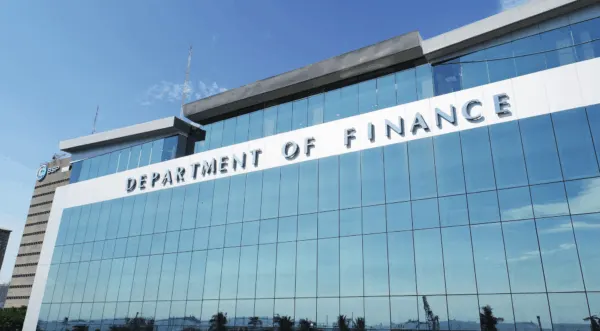
The Department of Finance and the budget department will also have to explain how the spending plan holds together if the economy underperforms. Lawmakers can amend allocations, but they cannot change the price of oil or the exchange rate, which will largely determine how much revenue the government actually collects and how much it pays to service its debt.

The assumptions versus reality
The budget framework assumes the peso will not pass 62 to the dollar and that oil will not exceed 90 dollars, The Diplomat noted. When the analysis was written in September, Dubai crude was around 115 dollars and the peso was trading near 63. Since then, conditions have worsened: the peso hit a record 63.615 per dollar on 23 October, its 31st record low of the year, and Brent crude settled near 117 dollars, as we covered in our report on Brent's six month high.
Growth assumptions also look ambitious. Budget planners expect GDP growth of 3.5 to 4.5 percent in 2026, and the World Bank projects 3.7 percent. A year ago, planners assumed 6 to 7 percent for 2026. For 2027, they forecast a rebound to 5 to 6 percent, a target that energy prices, borrowing costs and the exchange rate are currently working against.
A budget is a forecast with a spending plan attached. When the forecast assumes 62 pesos and 90 dollar oil, the spending plan is already out of date.
The analysis also noted that recent Philippine budgets have consistently relied on optimistic growth projections, causing revenue to underperform in both 2025 and 2026, with tax revenue among the first lines to suffer when the economy slows.
What Fitch says about the deficit
Fitch Ratings has flagged a slower pace of fiscal consolidation. The 2027 budget proposal targets a deficit of 5.1 percent of GDP, compared with the 4.8 percent forecast in last year's medium term fiscal framework, according to Fitch, as reported by Fibre2Fashion. The government now forecasts a deficit of 3.5 percent of GDP by 2030, up from 3.1 percent in last year's plan.
Revenue expectations have been cut. The government now expects revenue to average around 15.5 percent of GDP over the medium term, down from about 16.5 percent assumed a year earlier. Fitch said repeated upward revisions to deficit targets suggest the government continues to prioritise support for growth over faster consolidation.
The economy's weakness is broad. Philippine GDP growth slowed to 2.3 percent year on year in the second quarter of 2026, with gross fixed capital formation contracting 8 percent quarter on quarter, reflecting the energy price shock and subdued public infrastructure spending, Fitch said. The country has run deficits above 5 percent of GDP for several years, and government debt is rising.
Higher borrowing also has a cost beyond the deficit itself. As debt rises, a larger share of the budget goes to interest payments, leaving less room for spending on education, health and infrastructure. That trade off becomes sharper when interest rates are high, as they are now, and when a weak peso raises the cost of servicing dollar denominated debt.
What it means for the peso, rates and investors
A budget that relies on optimistic assumptions puts pressure on the central bank and the currency. If revenue disappoints and spending holds, the government must borrow more, which can push up bond yields at a time when the Bangko Sentral has already raised its policy rate to 5.5 percent to fight 7.2 percent inflation. Budget planners assume short term Treasury bills will pay between 5 and 6 percent.
Non tax revenue has helped close gaps, which partly explains the push to privatise state assets such as airports and casinos. But asset sales are one off, while revenue shortfalls are recurring. The key risks for the 2027 budget include:
- A weaker peso raising import costs and dollar debt payments
- Higher oil prices increasing subsidies and transport costs
- Slower growth reducing tax revenue below targets
- Higher interest rates raising the cost of new borrowing
- Pressure on credit ratings if deficits stay above 5 percent
What happens next
Congress will continue debating the budget before a final vote, and amendments could shift spending priorities. More importantly, the economic assumptions may need revisiting if oil and the peso stay near current levels. For investors in Philippine bonds and stocks, the key indicators are the deficit trajectory, credit rating agency comments and how the government responds if revenue falls short again.
For Filipinos, the stakes are practical: whether promised spending on education, infrastructure and social services can be delivered without higher taxes, cuts elsewhere or more borrowing.
Credit rating agencies will be watching closely. Repeated upward revisions to deficit targets and lower revenue assumptions can weigh on sovereign ratings over time, which would raise borrowing costs for the government and, indirectly, for Philippine companies that borrow abroad. A credible plan to restore revenue, rather than relying on one off asset sales, would help reassure investors.
How big is the Philippines' 2027 budget?
The proposed 2027 budget is 7.2 trillion pesos, about 115 billion dollars, a 6 percent increase.
What exchange rate does the budget assume?
The budget framework assumes the peso will not weaken beyond 62 per dollar, according to The Diplomat.
What oil price does the budget assume?
It assumes Dubai crude, the benchmark used by planners, stays below 90 dollars a barrel.
Where are the peso and oil now?
The peso hit a record 63.615 per dollar on 23 October 2026, and Brent crude settled near 117 dollars.
What is the 2027 deficit target?
Fitch said the budget targets a deficit of 5.1 percent of GDP, up from 4.8 percent previously planned.
How fast is the Philippine economy growing?
GDP grew 2.3 percent year on year in the second quarter of 2026, and planners expect 3.5 to 4.5 percent for the year.
What growth does the budget assume for 2027?
Planners forecast GDP growth of 5 to 6 percent in 2027.
What happened to revenue expectations?
The government now expects revenue to average about 15.5 percent of GDP, down from 16.5 percent assumed a year earlier.
How much of the budget goes to education?
About 17 percent of spending is allocated to education and manpower.
How much goes to defence?
Defence is set to receive more than 6 percent of total outlays.
What happened in last year's budget debate?
Lawmakers cut funding for the public works department after a scandal involving fictitious infrastructure projects.
Why are optimistic assumptions a problem?
They can lead to revenue shortfalls and higher deficits, forcing more borrowing or spending cuts later.
How long has the Philippines run large deficits?
The country has run deficits above 5 percent of GDP for several years, according to The Diplomat.
Why is the government privatising assets?
Non tax revenue from asset sales, such as airports and casinos, helps close budget gaps when tax revenue falls short.
What is the BSP's policy rate?
The Bangko Sentral ng Pilipinas raised its policy rate to 5.5 percent in October 2026.
The Philippines' 2027 budget rests on assumptions that the market has already overtaken: a stronger peso, cheaper oil and faster growth than current conditions suggest. Fitch's warnings on slower consolidation and lower revenue add to the risk of wider deficits. For investors and citizens alike, the budget's credibility will depend on whether Manila adjusts its plans to the economy it actually faces.
Talk to the SpinDepth deskYou've finished this story
Read on, send it to someone, or ask about it.