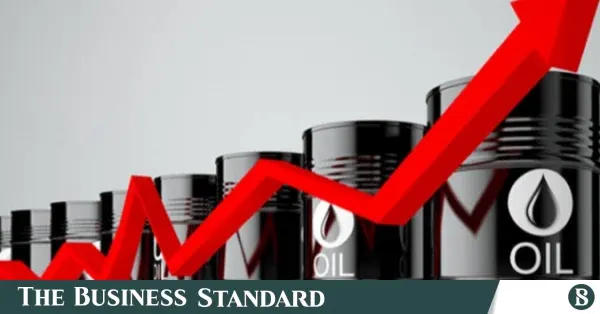
Why is oil going up again? Because the market is now pricing a wider war. Brent crude settled at 116.72 dollars a barrel on Friday 23 October, up 3.1 percent on the day and its highest close since 29 April, as Houthi strikes on Saudi Arabia intensified and traders braced for possible US action against Iran, as reported by The Business Standard. US benchmark WTI rose 3.8 percent to 103.27 dollars.
For Southeast Asia, the number matters more than the headline suggests. The region imports most of the crude it burns, so every extra dollar on Brent flows into fuel subsidies, transport costs, food prices and currency pressure. A week ago Brent was near 110 dollars. It is now well above the peak recorded at the start of the conflict, and the week ahead brings a US Federal Reserve decision that will be shaped partly by what oil does next.
What pushed Brent to a six month high?
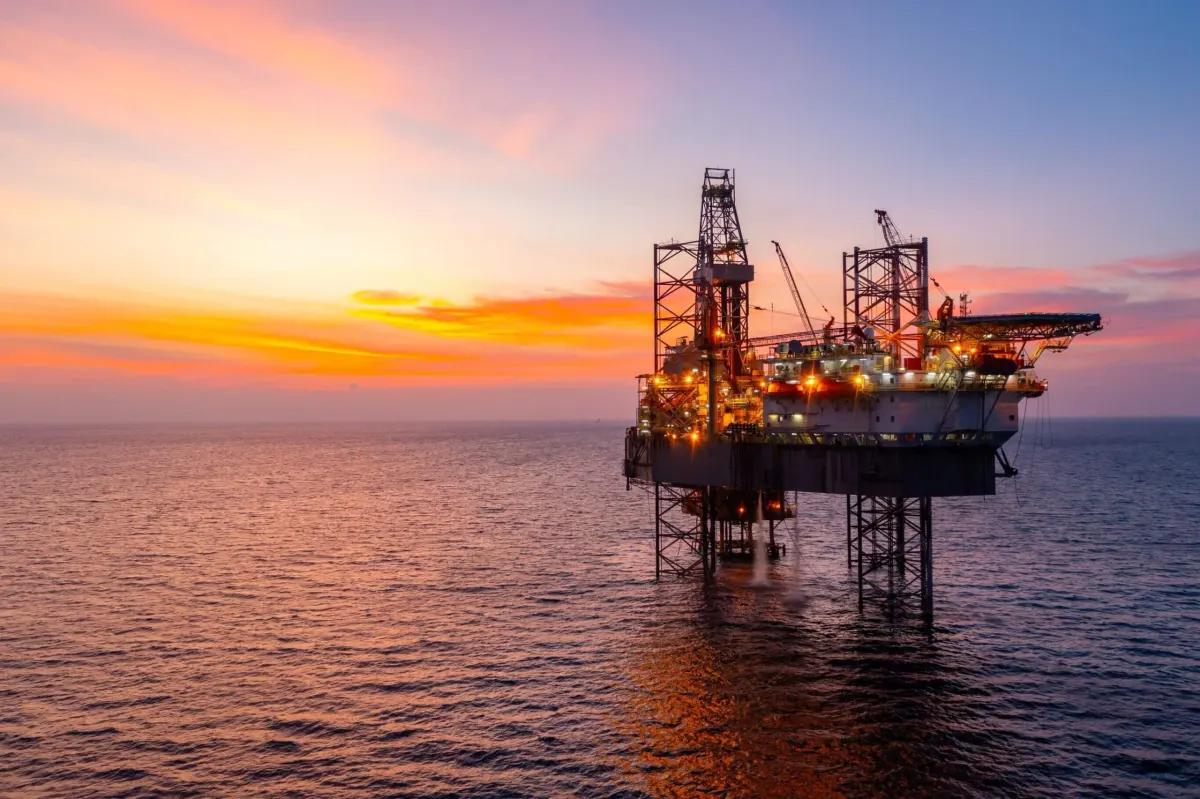
Three forces hit at once. First, Iran aligned Houthi forces stepped up drone and missile attacks on Saudi Arabia. Saudi state media reported that a drone strike on the Shaybah oilfield in the Eastern Region killed two people and injured two others, and that an attack on King Fahd International Airport in Dammam killed at least two people and injured eight, according to The Financial Express.
Second, the world's most important oil company changed how it works. Saudi Aramco instructed staff at its Dhahran headquarters to move to secure positions and work remotely, and the US State Department ordered non essential government personnel to leave Saudi Arabia. Saudi Arabia is the world's largest crude exporter, so any threat to its facilities moves prices instantly.
Third, the politics turned more hawkish. US President Donald Trump said on 21 October that Washington was not negotiating with Tehran and that "something will happen soon", and reports cited senior US officials saying the US and Israel are considering joint operations against Iranian assets after the US midterm elections. Markets do not wait for strikes to happen. They price the risk the moment it becomes plausible.
Why shipping routes matter as much as oilfields
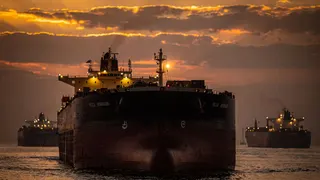
The threat is not limited to production. Clashes between the Houthis and Saudi backed forces in Yemen have moved toward Bab el Mandeb, the narrow strait at the entrance to the Red Sea. Any disruption there forces tankers onto longer routes, raises freight costs and slows deliveries to Asia.
The Strait of Hormuz remains the bigger worry. It has been largely shut since a joint US Israeli assault on Iran began in late February, and although US Energy Secretary Chris Wright said Gulf crude flows had returned to about 80 percent of pre war levels, refined product shipments stayed constrained, according to CoinCentral. Shiptracker Kpler counted at least 18 vessels reportedly attacked over two weeks.
When the risk sits on both the oilfield and the shipping lane, Asia pays twice: once for the barrel and again to bring it home.
We tracked the first leg of this rally in our report on Brent touching 110 dollars and the diesel squeeze. The move from 110 to almost 117 in one week shows how quickly the risk premium is rebuilding.
What 116 dollar oil means for Southeast Asia
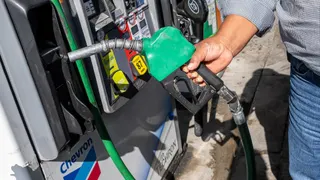
Southeast Asia feels an oil shock in three places. The first is the state budget. Indonesia and Malaysia spend heavily to keep pump prices stable, and every jump in crude widens that bill at a time when both governments are already under fiscal pressure.
The second is inflation. The Philippines is the clearest warning. Inflation hit 7.2 percent in September and the central bank delivered a surprise 50 basis point hike on 22 October, citing oil and transport fares among its reasons. Thailand and Vietnam are less exposed on headline inflation today, but diesel prices feed directly into food and logistics costs across the region.
The third is currencies. Most Southeast Asian economies are net oil importers, so higher crude means more dollars leaving the country. That is one reason the Philippine peso keeps setting record lows and the Indonesian rupiah trades near 18,000 per dollar. The key pressure points for the region include:
- Fuel subsidy bills in Indonesia and Malaysia, which rise with every dollar on Brent
- Transport and food prices, driven by diesel rather than crude
- Currency weakness in oil importers such as the Philippines and Thailand
- Central bank decisions, as inflation pressure argues for higher rates even as growth slows
- Airline and logistics margins, which absorb fuel costs before passing them on
How the Fed decision ties into oil
Oil is now a central bank story. The Federal Reserve meets on 27 and 28 October, and markets overwhelmingly expect it to hold rates, but an oil shock complicates the message. Higher energy prices lift inflation, which argues against cutting, while also slowing growth.
US 10 year Treasury yields have approached 5 percent, and stocks fell on 23 October as oil climbed. For Asian markets, that combination of high oil, high yields and a cautious Fed is the worst mix: it strengthens the dollar, pulls money out of emerging markets and raises borrowing costs at the same time.
That is why traders in Bangkok, Manila and Jakarta should watch Brent alongside the Fed statement this week. If Brent holds above 115 dollars, the case for tighter policy in Asia grows stronger, even in economies that would prefer to support growth.
What could move oil next
The next moves depend on events rather than economics. A direct US strike on Iran, a hit on a major Saudi export terminal or a closure of Bab el Mandeb would push prices higher quickly. A credible ceasefire or progress in mediated talks between Washington and Tehran could knock out much of the risk premium just as fast. Brent dipped earlier in the week on reports of a possible breakthrough before rebounding when the talks stalled.
Supply data also matters. If Gulf flows keep recovering and US inventories rise, some of the panic could fade. Analysts at ING have said the risk premium would likely fade slowly if flows continue uninhibited, but noted there were no signs of that yet.
For businesses and households in Southeast Asia, the practical lesson is to plan for expensive fuel through the end of the year. Hedging, efficiency and pricing flexibility will matter more than hoping for a quick return to cheap oil.

What was the Brent oil price on 23 October 2026?
Brent crude settled at 116.72 dollars a barrel on 23 October 2026, up 3.1 percent on the day and its highest close since 29 April.
Why are oil prices rising?
Houthi attacks on Saudi energy targets, Saudi Aramco moving headquarters staff to remote work, and reports of possible US action against Iran after the midterm elections pushed prices higher.
What is the WTI price?
US WTI crude rose 3.8 percent to close at 103.27 dollars a barrel on 23 October 2026.
How much did Brent rise this week?
Brent gained 6.2 percent over the week, its third consecutive weekly increase.
How does expensive oil affect Southeast Asia?
It raises fuel subsidy costs, pushes up transport and food prices, adds to inflation and weakens the currencies of oil importing countries such as the Philippines.
What happened at the Shaybah oilfield?
Saudi state media reported that a drone strike on the Shaybah oilfield on 21 October killed two people and injured two others.
Is the Strait of Hormuz open?
It has been largely shut since late February, although US officials said Gulf crude flows had recovered to about 80 percent of pre war levels while refined product shipments stayed constrained.
Will the Fed react to oil prices?
The Fed meets on 27 and 28 October and is widely expected to hold, but higher oil complicates its inflation outlook and keeps pressure on bond yields.
Why does Bab el Mandeb matter?
It is the narrow strait at the entrance to the Red Sea. Disruption there would force tankers onto longer routes and raise freight costs for Asian importers.
What could bring oil prices down?
A credible ceasefire, progress in US Iran talks or a steady recovery in Gulf oil flows could reduce the risk premium.
Which Asian currencies are most exposed to oil?
Currencies of net oil importers, including the Philippine peso, the Indonesian rupiah and the Thai baht, tend to weaken when crude prices rise.
Should businesses expect high fuel prices to last?
With conflict risks unresolved, businesses should plan for elevated fuel costs through the end of 2026 and use hedging and efficiency measures where possible.
Brent at almost 117 dollars is a reminder that the energy shock from the Middle East conflict is far from finished. The risks now sit on oilfields, shipping lanes and political decisions at the same time, and Southeast Asia, as a large net importer, feels each of them in budgets, prices and currencies. With the Fed meeting this week and the US midterms days away, oil will remain the market's most important headline for Asia.
Talk to the SpinDepth deskYou've finished this story
Read on, send it to someone, or ask about it.