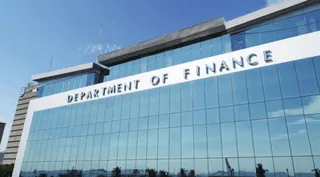
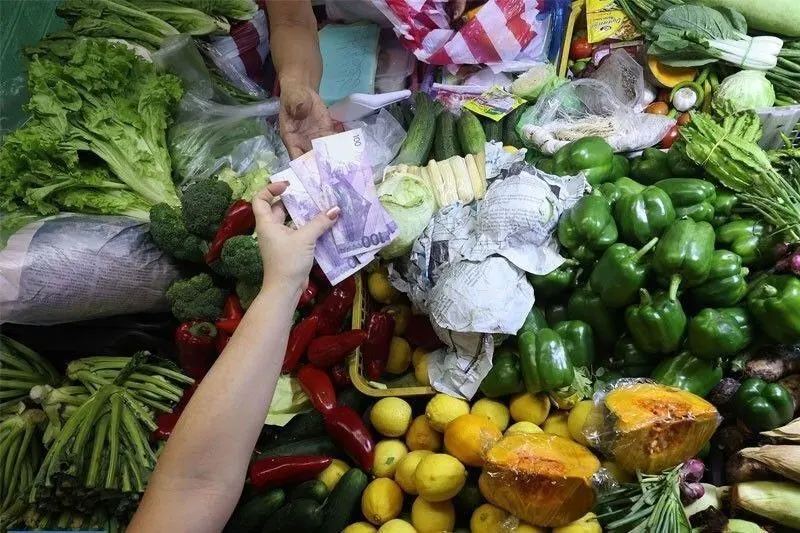
How high will Philippine inflation go? Higher than it is now, economists say. A poll of 12 economists by The Philippine Star put the median forecast for October inflation at 7.6 percent, up from 7.2 percent in September, with estimates ranging from 7.3 to 7.8 percent. That would keep inflation far above the Bangko Sentral ng Pilipinas target range of 2 to 4 percent for a seventh straight month.
Behind the number is a perfect storm: higher jeepney and bus fares, a minimum wage increase, rising electricity rates and a peso that crossed 64 to the dollar last week for the first time ever. Airlines say they are struggling to survive and want airport fees waived. For Filipino households, the message from economists is blunt: the peak has not arrived yet.
Why prices are still climbing
Economists broadly attributed the expected rise to higher transport, electricity and import costs. October was the first full month to reflect public transport fare increases and the P60 minimum wage hike in Metro Manila, both of which took effect in late September. The peso's slide also raised the local cost of fuel, food, raw materials and other goods priced in dollars.
Chinabank chief economist Domini Velasquez said higher fares for buses, jeepneys, taxis and ride hailing services, as well as increased electricity rates in areas served by Manila Electric Co., likely added to inflation. Gasoline and kerosene prices also rose, although diesel prices fell. On the other side, lower prices of rice, vegetables, meat, fish, eggs and sugar likely provided some relief.
BPI lead economist Emilio Neri Jr., who projected 7.7 percent, said October likely captured "broadening second round effects" as earlier price shocks spread into wages, fares and other goods and services. That is the outcome central banks fear most, because once higher prices feed into wages, inflation becomes harder to bring down.
When will inflation peak?
Economists disagree. "We have yet to see the peak in inflation this year," Neri said, adding that inflation could exceed 8 percent in November if current price pressures persist. Velasquez also expects a November peak. PNB economist Alvin Arogo sees inflation reaching 7.6 percent in February 2027 before falling below 4 percent by August.
Others are more hopeful. Pantheon Macroeconomics' Miguel Chanco, who projected a more modest 7.3 percent, said October could already mark the peak, though he does not expect inflation to return to the BSP's target range until April. Moody's Analytics' Denise Cheok, also at 7.3 percent, said elevated oil prices and adverse weather could keep inflation high through the end of the year.
The four highest forecasts, at 7.8 percent, came from Metrobank's Nicholas Mapa, Velasquez, Reyes Tacandong and Co.'s Jonathan Ravelas and UnionBank's Ruben Carlo Asuncion. Velasquez expects core inflation, which strips out volatile food and energy, to rise to 5.4 percent from 4.7 percent, a sign that price pressures are spreading across the economy.
When fares, wages and electricity all rise in the same month, inflation stops being a shock and starts being a habit. That is what the BSP is now fighting.
The peso's record slide and the BSP's response
The peso crossed the 64 per dollar mark last week to its weakest value ever, according to The Philippine Star. A weaker peso makes imported fuel, food and raw materials more expensive, feeding directly into inflation. We tracked the earlier stages of the slide in our report on the peso's 31st record low after the BSP's 50 basis point hike.
The central bank has been raising rates to defend the currency and contain prices. The BSP raised its benchmark rate by 50 basis points to 5.50 percent on 22 October, its fourth hike this year. Its final policy meeting of 2026 is scheduled for 17 December. Most economists who discussed monetary policy saw room for further tightening, although they differed on the likely size of the next move.
Higher rates help the peso and cool demand, but they also raise borrowing costs for families and businesses at a time when growth is already slowing. The government's own budget assumptions look increasingly stretched, as covered in our report on the Philippines' 2027 budget and its peso and oil assumptions.
Airlines ask for airport fee relief
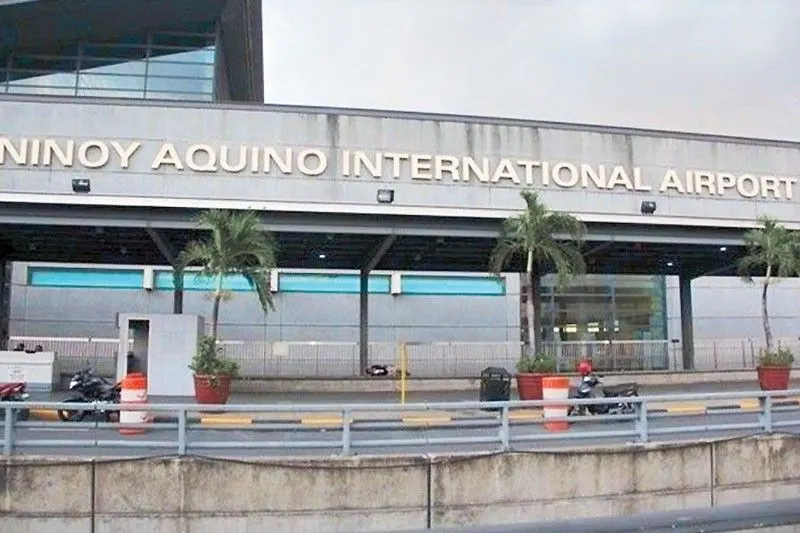
The weak peso is hitting airlines especially hard. The Air Carriers Association of the Philippines, made up of Cebu Pacific, Philippine Airlines and AirAsia Philippines, is asking returning transport secretary Vince Dizon to waive airport charges at major hubs such as Ninoy Aquino International Airport, according to The Philippine Star. Jet fuel has doubled since 28 February and averaged 196.7 dollars a barrel as of 23 October.
Cebu Pacific earns 70 percent of its revenue locally but pays 70 percent of its costs in dollars, president Alexander Lao said, and the airline will have to pass on higher costs. Philippine Airlines is partly shielded because its fares are dollar based and fuel costs are passed through a surcharge. The pressures on Philippine airlines include:
- Jet fuel near 200 dollars a barrel
- A record weak peso against dollar based costs
- Passenger service charges at NAIA up to P950 from P550 for international travellers
- Domestic passenger charges up to P390 from P200
- Flat domestic travel, with passenger traffic up just 1 percent
Cebu Pacific and Philippine Airlines posted net losses of P5.91 billion and P1.84 billion respectively in the first half, and air passenger traffic grew only 1 percent to 32.7 million, according to the Civil Aeronautics Board. Waiving fees would help airlines and passengers, but would cut revenue for the privately run NAIA operator.
What it means for households and investors
For households, the outlook is more months of high prices for transport, electricity and imported goods, with only food prices offering relief. Families who rely on public transport feel the fare increases immediately, while those paid in pesos see their purchasing power erode as the currency weakens.
For investors, persistent inflation means the BSP is likely to keep rates high or raise them further, which supports the peso but weighs on stocks and borrowers. The key data point is the official October figure from the Philippine Statistics Authority: a reading at or above 7.8 percent would strengthen the case for another large hike in December.
For businesses, the combination of higher wages, fares and import costs squeezes margins, especially for small firms that cannot easily raise prices. Many are likely to pass on part of the increase, which is how second round effects keep inflation elevated.

What is the Philippine inflation forecast for October 2026?
The median forecast of 12 economists polled by The Philippine Star is 7.6 percent, with a range of 7.3 to 7.8 percent.
What was inflation in the Philippines in September 2026?
Headline inflation was 7.2 percent in September 2026.
Why is inflation rising in the Philippines?
Higher transport fares, electricity rates, a P60 minimum wage hike and a weaker peso are pushing prices up.
When will Philippine inflation peak?
Some economists expect a peak in November, possibly above 8 percent, while others think October may be the peak.
What is the BSP's inflation target?
The Bangko Sentral ng Pilipinas targets inflation of 2 to 4 percent.
What is the BSP policy rate now?
5.50 percent, after a 50 basis point hike on 22 October 2026, the fourth hike this year.
When is the next BSP meeting?
The final BSP policy meeting of 2026 is scheduled for 17 December.
How weak is the peso?
The peso crossed 64 per dollar last week, its weakest level ever.
What is core inflation in the Philippines?
Core inflation was 4.7 percent in September, and Chinabank expects it to rise to 5.4 percent in October.
Are food prices rising in the Philippines?
Economists said lower prices of rice, vegetables, meat, fish, eggs and sugar likely provided some relief in October.
Why do airlines want airport fees waived?
Jet fuel near 200 dollars a barrel and the weak peso have raised costs, and airlines are posting losses.
How much is the NAIA passenger service charge?
P950 for international passengers, up from P550, and P390 for domestic passengers, up from P200, since 2025.
How does the weak peso hurt Cebu Pacific?
It earns 70 percent of revenue in pesos but pays 70 percent of costs in dollars.
Will the BSP raise rates again?
Most economists who discussed policy saw room for further tightening, though they differed on the size.
When will inflation return to the BSP target?
Pantheon expects a return to target around April 2027, while PNB sees inflation below 4 percent by August 2027.
Philippine inflation is expected to climb again in October, driven by fares, wages, power rates and a record weak peso, and several economists think the peak is still ahead. With airlines seeking relief and the BSP likely to keep tightening, Filipino households face a long stretch of high prices before relief arrives in 2027.
Talk to the SpinDepth deskYou've finished this story
Read on, send it to someone, or ask about it.