Did Vietnam just cut electricity prices? Yes. From 1 November, the average retail electricity price fell by about 2 percent to 2,159.9 dong, about 0.085 dollars, per kilowatt hour excluding VAT, according to a government statement reported by Reuters via CNA. It is the first decrease in the average power price in nearly 20 years, setting aside temporary Covid relief, VnExpress reported.
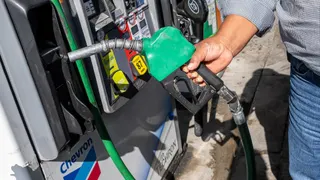
At the same time, Hanoi scrapped its special consumption tax on gasoline until the end of March, and pump prices dropped to a 15 week low. While much of Southeast Asia is still fighting high energy costs, Vietnam is moving the other way. The reason is simple: the government wants growth above 10 percent this year, and it needs cheaper energy and tame inflation to get there.
Why EVN is cutting prices now
State utility Electricity of Vietnam, known as EVN, said the reduction followed a review of its operations and efforts to calculate and cut costs as much as possible. The adjustment is meant to support people and businesses, help stabilise the macroeconomy and ensure social welfare, the company said.
The decision came from the top. At a National Assembly session on 31 October, Deputy Prime Minister Nguyen Van Thang said the government had directed EVN to cut costs to lower average retail electricity prices by about 2 percent. Combined with the gasoline tax cut, he said, the move would create about 0.07 percentage points of extra room to keep inflation within the 4.5 percent target set by the National Assembly.
The cut stands out because of what came before. Between 2023 and 2025, electricity prices rose by 18.2 percent in four adjustments, the last in May 2025, as EVN tried to stem losses. Before that, prices were frozen for more than four years, from March 2019 to May 2023. A reduction, however small, signals that Hanoi now sees cheap power as a growth tool rather than a subsidy it can no longer afford.
What happens to gasoline prices
Vietnam cut its special consumption tax on gasoline to zero from 1 November 2026 until 31 March 2027. The tax was previously 7 to 10 percent depending on the fuel type, according to Reuters, while VnExpress put the range at 7 to 8 percent. The tax is one component of the retail price, so removing it creates room for cheaper fuel, lower transport costs and lower production costs.
The effect showed up immediately. In the latest adjustment, E5 RON92 gasoline fell 6.92 percent to 24,220 dong a litre, while diesel stayed at 30,240 dong, according to VnExpress. Gasoline prices hit their lowest level in 15 weeks, although future adjustments will still depend on global fuel prices, exchange rates and the state's price stabilisation fund.
Vietnam was already cheap by regional standards. Gasoline in Vietnam is about 25 percent cheaper than in Cambodia, 26 percent cheaper than in Thailand, 33 percent cheaper than in China and 50 percent cheaper than in Laos, VnExpress reported. The tax holiday widens that gap at a time when neighbours are raising fuel prices.
Most of Asia is passing higher energy costs on to consumers. Vietnam is doing the opposite, betting that cheaper power and fuel will buy it growth without inflation.
The 10 percent growth push behind the cut
The energy cuts are part of a broader campaign to hit an ambitious growth target. Vietnam aims for economic growth above 10 percent this year, and fourth quarter growth must exceed 12.5 percent to reach it, according to Reuters. The economy grew 9.95 percent in the third quarter, as we covered in our report on Vietnam's near double digit growth.
Lower energy costs help in three ways. They reduce costs for manufacturers, which make up a large share of Vietnam's exports. They put more money in household pockets, supporting consumer spending. And they keep inflation in check, giving the State Bank of Vietnam more room to keep credit flowing.
The timing also matters for investors. A government that can afford to cut energy prices while chasing double digit growth is signalling confidence in its finances. But it also raises a question about EVN's balance sheet, since the utility had been raising prices to recover past losses.
It is worth remembering that 2,159.9 dong is an average. Vietnam uses tiered tariffs for households, where the price per kilowatt hour rises as monthly use goes up, and separate tariffs for factories, offices and shops depending on voltage and time of day. How much any one customer saves will therefore depend on their tier and usage pattern, but the direction for every group is the same: down, for the first time in a generation.

How Vietnam compares with its neighbours
Elsewhere in the region, energy costs are moving the other way. In the Philippines, fuel prices keep rising and inflation is running well above target. In Singapore, electricity tariffs rose sharply this year, as covered in our report on Singapore's core inflation and an 8.7 percent jump in electricity costs. Vietnam's cut therefore gives it a cost advantage when competing for factories and investment. The main effects of the cuts include:
- Lower power bills for households and businesses from November
- Cheaper gasoline until at least the end of March 2027
- Lower transport and logistics costs for manufacturers
- More room to keep inflation within the 4.5 percent target
- Pressure on EVN's finances after years of losses
For manufacturers weighing where to expand, electricity is a major cost, especially for energy intensive industries such as steel, cement and electronics assembly. A falling tariff, even by 2 percent, sends a different message from neighbours where tariffs are rising.
There is a caveat. Vietnam's power system has struggled with shortages in the past, particularly in the north during hot summers. Cheaper power must be matched by enough supply, which requires investment in generation and transmission, and that investment usually depends on prices high enough to attract it.
What it means for households and investors
For households, the immediate effect is a small saving on monthly power bills and a bigger saving at the pump. A 2 percent electricity cut will not transform family budgets, but combined with cheaper gasoline it eases the cost of living at a time when many families are still recovering from earlier price rises.
For investors, the moves reinforce Vietnam's pro growth stance. Lower costs support manufacturing margins and consumer spending, while controlled inflation supports bond markets and the dong. The risk is that fiscal and utility finances absorb the cost, which could limit room for manoeuvre if global energy prices spike again.

Did Vietnam lower electricity prices?
Yes. The average retail electricity price fell about 2 percent to 2,159.9 dong per kWh, excluding VAT, from 1 November 2026.
When was the last time Vietnam cut electricity prices?
It is the first cut to the average price in nearly 20 years, excluding temporary Covid relief measures.
How much did electricity prices rise before the cut?
Prices rose 18.2 percent in four adjustments between 2023 and 2025, most recently in May 2025.
What is the new electricity price in Vietnam?
The average retail tariff is 2,159.9 dong, about 0.085 dollars, per kilowatt hour, excluding VAT.
What happened to the gasoline tax in Vietnam?
The special consumption tax on gasoline was cut to zero from 1 November 2026 until 31 March 2027.
How much is gasoline in Vietnam now?
E5 RON92 fell 6.92 percent to 24,220 dong a litre in the latest adjustment, while diesel stayed at 30,240 dong.
Is gasoline cheaper in Vietnam than in Thailand?
Yes. VnExpress reported gasoline in Vietnam is about 26 percent cheaper than in Thailand.
Why did Vietnam cut energy prices?
To support households and businesses, stabilise the economy and keep inflation within the 4.5 percent target.
Who decided the electricity price cut?
The government directed state utility EVN to cut costs, and EVN announced the reduction.
How does the cut affect inflation?
The deputy prime minister said the two measures create about 0.07 percentage points of extra room on inflation.
What is Vietnam's growth target for 2026?
Above 10 percent, which requires fourth quarter growth above 12.5 percent.
How long will the gasoline tax cut last?
Until 31 March 2027.
Does the tax cut apply to diesel?
The special consumption tax applies to gasoline. Diesel prices were unchanged in the latest adjustment.
Who is EVN?
Electricity of Vietnam is the state owned utility that dominates power generation, transmission and retail in Vietnam.
Will electricity prices in Vietnam rise again?
Future prices depend on costs and government policy. EVN raised prices four times between 2023 and 2025.
Vietnam's first electricity price cut in nearly 20 years, paired with a gasoline tax holiday, is a deliberate bet that cheaper energy will fuel double digit growth without stoking inflation. Households and factories gain now; the test is whether EVN and the budget can absorb the cost if global energy prices turn against them.
Talk to the SpinDepth deskYou've finished this story
Read on, send it to someone, or ask about it.