 Media & Reputation
 Football
 Culture
 Experiences
 Advertising


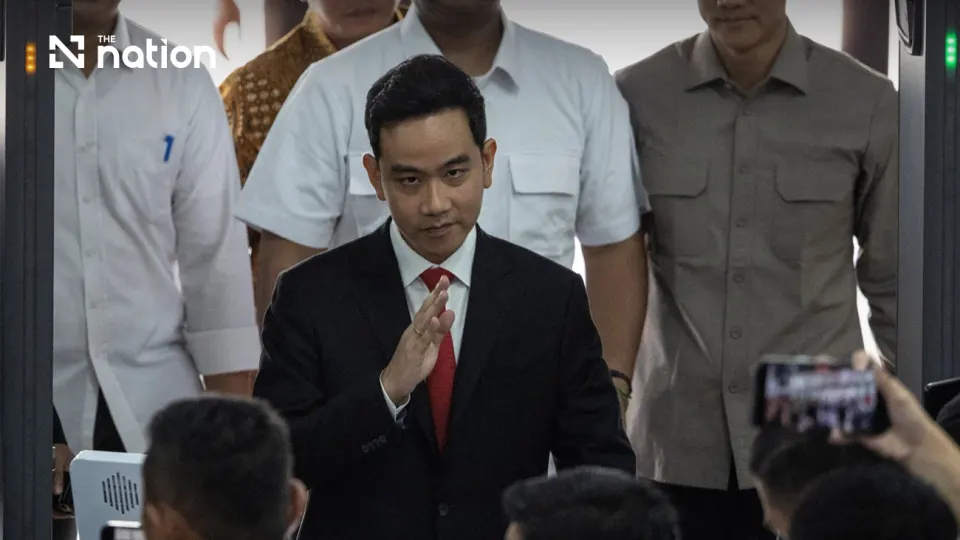
Who becomes Indonesia's next vice-president, and does it matter for your money? Indonesia is about to replace its vice-president mid-term without a national vote. Gibran Rakabuming Raka, 39, the eldest son of former president Joko Widodo, formally resigned on 12 November, and the People's Consultative Assembly, or MPR, plans to elect his successor on 2 December, Moneycontrol reported.
Markets reacted before the politics settled. The rupiah weakened as much as 0.6 percent on 12 November to a record low of about 18,255 per dollar, The Nation reported, in a year when the Jakarta Composite Index had already fallen nearly 29 percent year on year over the first three quarters. Reuters described the resignation as Indonesia's highest profile since President Suharto stepped down in 1998.
Why Gibran left
Gibran's qualifications had been under scrutiny for months. Election law requires vice-presidential candidates to have completed senior high school or an equivalent. In October, the Constitutional Court found insufficient documentary evidence that his foreign schooling met the requirement, though it dismissed the petition because the applicants lacked legal standing. On 30 October, the Supreme Court annulled the equivalency certificate issued to support his eligibility.
Political pressure followed quickly. Fifty lawmakers from six factions backed a motion on 10 November to use the House's right to express an opinion, a mechanism that can lead to impeachment, and the next day 120 lawmakers from all eight factions signed it, CNA reported. Lawmakers from Prabowo's own Gerindra party were among the backers, according to Reuters.
Gibran called the decision personal. "This decision to step down is also not a declaration of inability," he said in a video address. Prabowo accepted the resignation with what he called a heavy heart and praised Gibran's statesmanship, while Widodo said the family would continue to support the administration.
How the next vice-president is chosen
There will be no nationwide election. Within three days of the vacancy, the MPR leadership sets a timetable. The president must submit two names and their documents at least 14 working days before the MPR plenary session, The Straits Times explained, and a verification team checks both candidates within seven working days. Members then vote and the candidate with the most votes wins. If the vote ties twice, the president chooses.
MPR speaker Ahmad Muzani said the assembly would write to Prabowo requesting two candidates and has formed a 36 member team of lawmakers to verify credentials. The names had not been announced when the vote was scheduled. Because Prabowo's coalition dominates the legislature, the decisive choice is effectively his.
The vote is a formality. The signal is not. The two names Prabowo sends will tell investors whether he wants a technocrat to steady the economy or a political ally to secure 2029.
The legal basis is Article 8(2) of the Constitution. Coordinating Minister for Law Yusril Ihza Mahendra clarified that the resignation itself did not need MPR approval; the assembly's job is to recognise the vacancy and run the replacement process. Gibran met Prabowo both before and after delivering his letter to parliament, and the president personally walked him to his car after the morning meeting, the presidential office said.
The Prabowo and Widodo alliance
Gibran's place on the 2024 ticket was the core of a political bargain. Widodo twice defeated Prabowo for the presidency before backing him, and putting his son on the ticket let Prabowo borrow the outgoing president's popularity. The ticket itself was made possible by an October 2023 Constitutional Court ruling, issued when the court was headed by Gibran's uncle Anwar Usman, who was later found to have breached judicial ethics over a conflict of interest.
Analysts read the resignation as a turning point. "One of the most important bonds of their alliance has been severed," Burhanuddin Muhtadi of Singapore's Yusof Ishak Institute told Reuters, as carried by AsiaOne. Two people familiar with Widodo's thinking said he was disappointed that neither Prabowo nor his coalition defended Gibran. Separately, police said on 12 November they had enough preliminary evidence to pursue treason charges against four suspects, including former police chief Listyo Sigit Prabowo, widely seen as a Widodo loyalist, over alleged illegal wiretapping of politicians, activists and journalists.
Widodo's camp has not left politics. Gibran's younger brother Kaesang Pangarep has been mobilising the Indonesian Solidarity Party, and sources told Reuters that Widodo is expected to take a senior role there. That sets up a possible rival base ahead of the 2029 election.
What investors are watching
The resignation lands on a market that was already fragile. Investor sentiment toward Southeast Asia's biggest economy has cooled this year amid scrutiny of fiscal plans and the risk of a downgrade by index provider MSCI, as we covered in our report on MSCI dropping Barito Pacific and Jakarta's purge of tightly held stocks. The rupiah's slide has also put Bank Indonesia under pressure, which we set out in our Bank Indonesia decision preview.
Stocks did not panic. Tempo reported that the Jakarta Composite Index gained 2.66 percent on 12 November, and a deputy minister urged investors not to panic, IDN Financials reported. The checklist for the next three weeks:
- the two names Prabowo submits, and whether either has an economic policy background
- whether the choice strengthens or strains the governing coalition
- the rupiah's level against the dollar and any Bank Indonesia intervention
- fiscal signals around the free meals programme and the 2027 budget
- MSCI's assessment of Indonesia's market accessibility and free float rules
Indonesia has weathered political shocks before, and the constitutional process is clear and short. The risk for investors is less the transition itself than what it reveals: a president consolidating power around his own party, an alliance that delivered a landslide coming apart, and a market that is pricing political risk on top of economic risk. We first flagged the pressure in our report that Gibran intended to resign.
When did Gibran resign?
He formally submitted his resignation on 12 November 2026, after an aide said on 11 November he had tendered it to the president.
Why did he resign?
Court rulings found his overseas high school documents did not meet election requirements, and lawmakers moved toward impeachment. He said the decision was personal.
Who chooses the new vice-president?
The People's Consultative Assembly, or MPR, elects a successor from two candidates nominated by the president.
When is the vote?
It is scheduled for 2 December, according to Moneycontrol. The Constitution requires it within 60 days of the vacancy.
Is there a national election?
No. The MPR vote replaces a public election for the rest of the term.
What happens if the MPR vote is tied?
Members vote again. If it is tied a second time, the president chooses.
Who are the candidates?
Prabowo had not announced the two names when the vote was scheduled.
Does the president stay in office?
Yes. Prabowo continues to run the government throughout.
How did the rupiah react?
It weakened as much as 0.6 percent on 12 November to a record low of about 18,255 per dollar.
How did Indonesian stocks react?
Tempo reported that the Jakarta Composite Index rose 2.66 percent on 12 November.
Is this a break between Prabowo and Widodo?
Analysts say a key bond of their alliance has been severed, though both sides publicly pledged mutual support.
What role does the Constitutional Court ruling of 2023 play?
It removed an age barrier that let Gibran run, and was issued while his uncle headed the court, which drew accusations of nepotism.
What is the PSI?
The Indonesian Solidarity Party, which Gibran's brother Kaesang Pangarep leads and where Widodo is expected to take a senior role, according to sources cited by Reuters.
Why does MSCI matter here?
Global index decisions drive foreign fund flows, and Indonesia already faces scrutiny over market accessibility and free float.
What should investors watch first?
The two names Prabowo submits to the MPR.
Who was Gibran before he became vice-president?
He was mayor of Surakarta, also known as Solo, his hometown in Central Java, and had little experience in national office before joining Prabowo's ticket in 2024.
Will the new vice-president serve a full term?
No. The successor serves the remainder of the current term, which ends in 2029.
Indonesia's succession rules are clear, quick and leave the choice largely with the president. That helps continuity, but it also concentrates power and accountability in one office at a time when the rupiah is at record lows and foreign investors are already cautious. The 2 December vote will settle the vacancy; the names Prabowo chooses will show whether he is reassuring markets or preparing for 2029.
Talk to the SpinDepth deskYou've finished this story
Read on, send it to someone, or ask about it.