
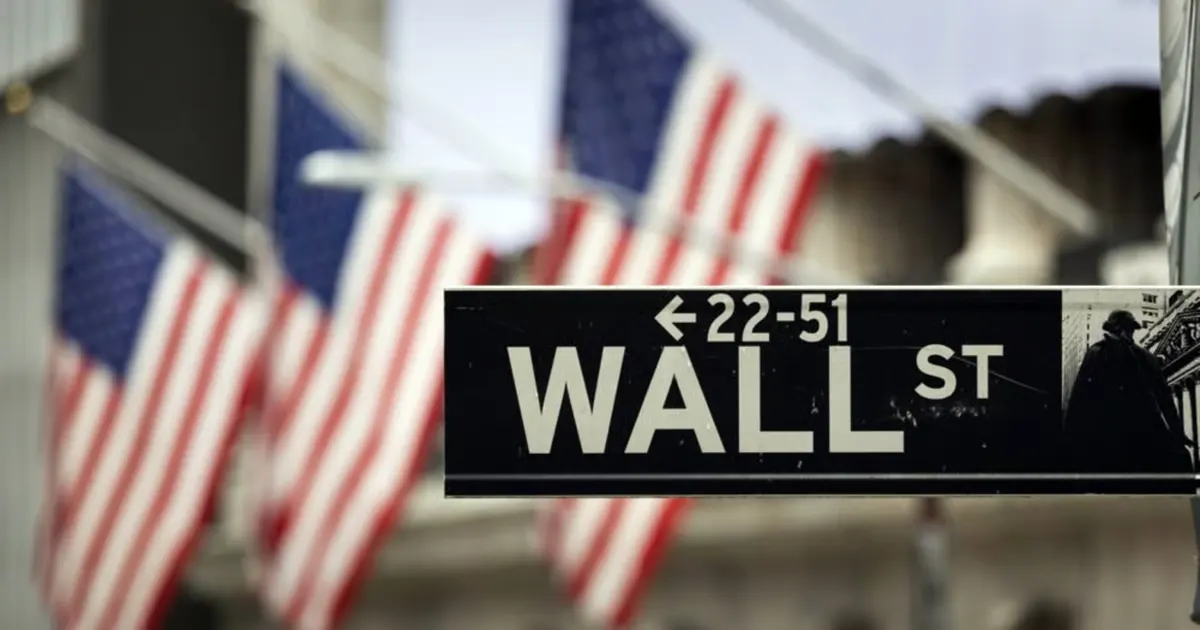
Will the Fed raise rates again in December? Markets now think so. US consumer prices rose 0.4 percent in October from September, above the 0.3 percent economists expected, and core prices, which exclude food and energy, rose 0.3 percent against a 0.2 percent forecast, the Labor Department said on Tuesday 10 November, Reuters reported via Free Malaysia Today. Futures traders priced a December rate hike as essentially certain.
For Asia, that matters as much as it does for Wall Street. Higher US rates strengthen the dollar, pull money out of emerging markets and raise borrowing costs for companies and governments that owe dollars. The Philippine peso, Indonesian rupiah and other currencies that have been under pressure this year are especially exposed, and central banks from Manila to Jakarta will have to weigh their own responses.
What the October numbers showed
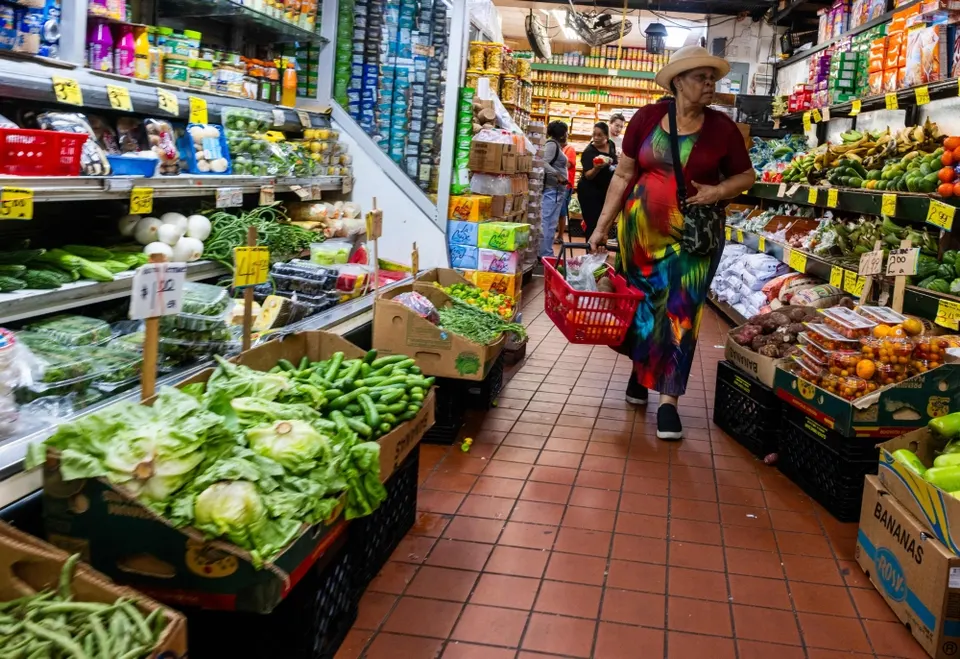
The headline rise slowed from September's 0.6 percent, mainly because energy prices cooled. The gasoline index rose 1 percent in October after a 9.1 percent jump in September, when fuel prices surged on renewed clashes in the US Iran war. But food prices rose 0.5 percent after being unchanged, and medical care, household furnishings and several other categories also rose, according to AFP via Malay Mail.
That is what worries the Fed. "Though energy prices moderated as expected, it was food inflation that drove the forecast miss," Oxford Economics wrote, calling the pattern evidence of the lag between energy shocks and other consumer prices. Brian Jacobsen of Annex Wealth Management put it bluntly: "the oil shock has seeped into core".
There was no official annual figure, because no October 2025 report was published during a government shutdown. The Cleveland Fed estimated annual inflation at 3.8 percent, well above the Fed's 2 percent target. Oxford Economics titled its note on the data "sets the stage for a December Fed hike".
What Fed officials are saying
Governor Christopher Waller, speaking in London hours before the data, said he was leaning toward supporting a 25 basis point increase at the 8 to 9 December meeting even if October improved. If price pressures stayed similar to September's, he said, "a 50 basis point hike in the policy rate should be considered", adding that "hiking only 25 basis points would put our credibility at risk".
Dallas Fed President Lorie Logan went further, saying the federal funds rate must rise by "at least 50 basis points" to bring inflation back to target, and that the committee needs "at least two more 25 basis point rate increases". She noted that rising prices for doctor visits and dining out are not driven by tariffs, the Middle East conflict or chip demand, a sign of broad inflation.
Waller also cited inflationary effects from the AI build out and Fed research suggesting energy price shocks may pass through to goods and services more persistently than in the past. A December hike would be the Fed's second in three meetings, and a setback for President Donald Trump, who has pushed for lower rates and whose party lost heavily in last week's midterm elections.
The Fed's new worry is not oil, it is everything oil touched on the way through the economy. Asia will feel that worry through the dollar.
How markets reacted
Bond yields jumped. The US two year Treasury yield, which tracks Fed expectations, rose about 18 basis points to 4.731 percent, and the 10 year yield rose about 13 basis points to 4.988 percent. The dollar index gained 0.56 percent to 102.25, and the dollar rose to 158.81 yen. Wall Street fell, with the S&P 500 down 0.38 percent and the Nasdaq down 0.74 percent, also weighed by Nvidia's second day of losses.
Gold fell sharply, with spot prices down 2.62 percent to about 4,031 dollars an ounce, as higher yields and a stronger dollar made the non yielding metal less attractive. Oil eased, with Brent settling at 91.49 dollars a barrel, its lowest close since 31 August, after US officials played down the need for more military action against Iran.
Futures pricing showed about 85 percent of bets on a 25 basis point hike in December and 15 percent on a 50 basis point move, AFP reported. The question is no longer whether the Fed moves, but how far.
What it means for Asian currencies
A stronger dollar is the main channel. When US rates rise, investors can earn more on dollar assets, which tends to pull money out of emerging market bonds and stocks. Currencies of countries with current account deficits and high oil import bills tend to suffer most. We covered how the Fed's earlier hike repriced the region in our report on Asian currencies after the September Fed hike.
The most exposed include:
- the Philippine peso, which hit a record low of 64.17 per dollar in October and remains sensitive to oil
- the Indonesian rupiah, already under pressure from capital outflows and an index downgrade risk
- the Japanese yen, near 159 per dollar, which keeps the risk of intervention alive
- the Thai baht and Malaysian ringgit to a lesser degree, helped by stronger external positions
Currencies of economies benefiting from AI related exports and current account surpluses, such as South Korea and Taiwan, are better placed, a point Citi made this week when it said those currencies should outperform the peso.
What it means for Asian central banks and borrowers
A Fed hike narrows the room for Asian central banks to cut. The Bangko Sentral ng Pilipinas, already expected to raise rates in December, will face more pressure to defend the peso. Bank Indonesia has a similar dilemma. Malaysia's central bank, which held at 2.75 percent this month, has more room because its currency and growth are steadier.
For borrowers, the implications are straightforward. Companies with dollar loans face higher interest costs and, if local currencies weaken, larger repayments in local terms. Households with variable rate loans may see rates stay high for longer. Savers and buyers of short term bonds, by contrast, can lock in better yields.
The key dates are the Fed's 8 to 9 December meeting and the November jobs and inflation reports that come before it. A 50 basis point hike would be a shock for Asian markets; a 25 point move is largely priced in. Either way, the era of hoping for Fed cuts in 2026 is over.
What was US inflation in October 2026?
Consumer prices rose 0.4 percent from September, above the 0.3 percent forecast. Core prices rose 0.3 percent.
What is US annual inflation now?
There is no official annual figure for October, but the Cleveland Fed estimated it at about 3.8 percent.
Will the Fed raise rates in December 2026?
Futures markets see a December hike as essentially certain, with most bets on 25 basis points.
Could the Fed hike by 50 basis points?
Governor Waller said a 50 basis point hike should be considered if price pressures stayed high, and about 15 percent of futures bets favour it.
When is the next Fed meeting?
8 to 9 December 2026.
What did Lorie Logan say?
The Dallas Fed president said the Fed needs at least two more 25 basis point increases.
Why did US inflation beat forecasts?
Food prices rose 0.5 percent, along with medical care and household furnishings, even as energy price increases slowed.
How did markets react?
Treasury yields and the dollar rose, US stocks fell, and gold dropped 2.62 percent.
How does a Fed hike affect Asian currencies?
It tends to strengthen the dollar and pull money from emerging markets, weighing on currencies such as the peso and rupiah.
Which Asian currencies are most at risk?
Those of oil importers with current account deficits, such as the Philippine peso and Indonesian rupiah.
What happened to gold after the CPI data?
Spot gold fell 2.62 percent to about 4,031 dollars an ounce.
Why is there no year on year CPI number?
The Labor Department did not publish an October 2025 report because of a government shutdown, so it could not calculate the annual change.
What does the Fed hike mean for Philippine rates?
It adds pressure on the BSP to keep raising rates to defend the peso.
Does AI affect US inflation?
Fed officials, including Waller, cite inflationary effects from the AI build out, such as higher demand for skilled labour and power.
What should Asian borrowers expect?
Interest rates are likely to stay high for longer, and dollar debts become more costly if local currencies weaken.
October's inflation report has turned a possible Fed hike into a probable one and put a larger move on the table. For Asia, the effect will run through the dollar: weaker currencies for oil importers, tighter choices for central banks and higher costs for anyone who borrows in dollars. The 8 to 9 December meeting is now the region's most important date for the rest of the year.
Talk to the SpinDepth deskYou've finished this story
Read on, send it to someone, or ask about it.


