
How much investment is flowing into Ho Chi Minh City? About 16.4 billion dollars in a single announcement. Twelve projects in Vietnam's economic capital received investment approvals or licences, the city said at its 2026 Autumn Economic Forum on 28 October, with the money concentrated in urban development, seaports, logistics and high tech manufacturing, VnExpress reported.
Three projects dominate: a 6.61 billion dollar university town, a 4.92 billion dollar transshipment port at Can Gio and Lotte's 2.29 billion dollar Eco Smart City in Thu Thiem. Together they account for nearly 84 percent of the total. The list reads like a blueprint for how Ho Chi Minh City wants to grow: a deep water port to rival regional hubs, a new financial district skyline and room for universities, factories and digital commerce.
The projects behind the 16.4 billion dollars
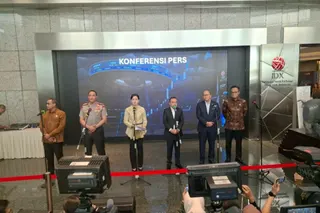
The announcement was made during a high level plenary session attended by Prime Minister Le Minh Hung, Nguyen Thanh Nghi, head of the Central Policy and Strategy Commission, and other officials. All 12 projects have received investment policy approvals or investment registration certificates, which means they have passed key regulatory steps rather than being mere pledges.
The largest is the International University Urban Area, with revised investment capital of about 6.61 billion dollars. Spanning 880 hectares in the northwest of the city, it will combine education, housing, commercial facilities, healthcare, sports and parks, creating a new development hub with more space for universities and residential communities.
Several projects, including the university area, Lotte's Thu Thiem complex and the Gemadept Terminal Link Cai Mep Port, have already held groundbreaking or construction start ceremonies. That gives the package more substance than many investment announcements, which often take years to move from paper to construction.
The scale of the package is large even by Vietnam's recent standards. At about 16.4 billion dollars, it combines domestic and foreign investors, and the money will be spent over many years rather than in a single budget cycle.
Can Gio: a megaport for Southeast Asia
The Can Gio International Transshipment Port, at 4.92 billion dollars, is the centrepiece of the logistics package. The 571 hectare port is designed to handle 4.8 million twenty foot equivalent units, or TEUs, a year by 2030, rising to 16.9 million TEUs by 2047. Transshipment ports handle containers moved between ships, a business dominated in the region by Singapore and Malaysia's Port Klang and Tanjung Pelepas.
Developed alongside the Cai Mep and Thi Vai port complex, road links and international shipping networks, Can Gio could expand Vietnam's container and transshipment capacity and attract maritime, warehousing and freight forwarding services. Seaport and logistics projects in the package total about 6.75 billion dollars, including Gemadept Terminal Link Cai Mep Port, My Xuan 6 Port and Swift Logistics.
The port has drawn debate in Vietnam because Can Gio is home to a large mangrove forest recognised as a biosphere reserve. Supporters say careful planning can protect it while giving southern Vietnam a deep water gateway; critics will watch the environmental safeguards closely as construction moves ahead.
Vietnam exports through other countries' ports. Can Gio is a bet that it can keep more of that business, and the jobs around it, at home.
For shipping lines, a deep water port near Ho Chi Minh City would mean fewer containers routed through Singapore or other hubs before reaching Vietnam, cutting time and cost for exporters. That is why port operators and global shipping groups are watching the project closely.
Lotte's Thu Thiem city and the new skyline
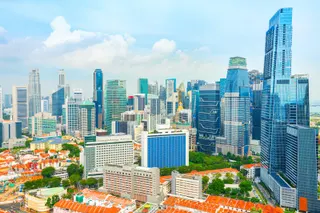
Lotte Eco Smart City Thu Thiem, in Functional Area 2A of the Thu Thiem New Urban Area, has registered investment of about 2.29 billion dollars. The South Korean conglomerate's project is expected to add commercial, service and urban facilities to the city's emerging central business district across the river from District 1.
Thu Thiem has been planned for decades as Ho Chi Minh City's new financial centre, but progress has been slow, held back by land disputes and legal problems. A large foreign investor breaking ground there is a sign that the area is finally gaining momentum, and it fits with plans for an international financial centre in the city.
Urban development projects in the package total about 8.9 billion dollars, led by the university area and Lotte's complex. Rising incomes and a growing middle class support demand for modern housing, offices and retail, as Vietnam's GDP per person climbs, as covered in our report on Vietnam overtaking Indonesia in GDP per capita.

Factories, cables and digital commerce
The remaining projects focus on high tech manufacturing and industrial infrastructure. They include factories producing energy efficient glass, high tech electrical cables, cast and fabricated metal products, thermoelectric semiconductor materials and automation equipment, as well as industrial park infrastructure. The main groups of projects in the package include:
- Urban development worth about 8.9 billion dollars
- Seaports and logistics worth about 6.75 billion dollars
- High tech manufacturing and industrial infrastructure
- Digital commerce logistics through Swift Logistics
- Projects that have already broken ground, including Lotte and Cai Mep
Swift Logistics, backed by an investor linked to the TikTok ecosystem, plans to develop postal, delivery and logistics services for digital commerce. That reflects the rapid growth of online shopping in Vietnam, where live commerce on social platforms has become a major sales channel.
The manufacturing projects are expected to expand Ho Chi Minh City's capacity and strengthen its role in electronics and industrial equipment supply chains, complementing the larger factories in neighbouring provinces that have driven Vietnam's export boom.
The mix of projects also signals a shift in what Ho Chi Minh City wants to be. With land costs rising, the city is steering low value manufacturing to neighbouring provinces while trying to attract higher value activities such as materials science, automation and services that can pay city level wages.
What it means for Vietnam's growth
For Vietnam, the package supports its push for growth above 10 percent this year, which depends heavily on investment and infrastructure. Ho Chi Minh City is also preparing for the opening of Long Thanh airport, now set for 24 December, as covered in our report on Long Thanh's new opening date, and the new ports and roads are meant to work together as a logistics network.
For investors, the key question is execution. Vietnam has a history of large projects delayed by land clearance, financing and legal issues. Projects that have already broken ground are the safest bets; the rest will need to show progress in 2027 to prove that approvals translate into concrete, cranes and jobs.

How much investment did Ho Chi Minh City announce?
About 16.4 billion dollars across 12 projects, announced on 28 October 2026.
What is the biggest project?
The International University Urban Area, with revised capital of about 6.61 billion dollars over 880 hectares.
How much will Can Gio port cost?
The Can Gio International Transshipment Port has investment of 4.92 billion dollars.
How big is Can Gio port?
It covers 571 hectares and is designed to handle 4.8 million TEUs a year by 2030 and 16.9 million by 2047.
What is Lotte building in Ho Chi Minh City?
Lotte Eco Smart City Thu Thiem, with registered investment of about 2.29 billion dollars.
Where is Thu Thiem?
Thu Thiem is the new urban area planned as Ho Chi Minh City's future central business district.
Which ports are part of the package?
Can Gio, Gemadept Terminal Link Cai Mep, My Xuan 6 and the Swift Logistics project.
How much is going to seaports and logistics?
About 6.75 billion dollars.
How much is going to urban development?
About 8.9 billion dollars.
What is Swift Logistics?
A project backed by an investor linked to the TikTok ecosystem to provide delivery and logistics for digital commerce.
Have any projects started construction?
Yes. The university area, Lotte's Thu Thiem complex and Gemadept Terminal Link Cai Mep have broken ground.
What manufacturing projects are included?
Factories for energy efficient glass, electrical cables, metal products, thermoelectric semiconductor materials and automation equipment.
Who attended the announcement?
Prime Minister Le Minh Hung and other senior officials attended the forum's plenary session.
What is a transshipment port?
A port where containers are transferred between ships rather than delivered inland.
Why does Can Gio matter for Vietnam?
It could keep more transshipment business in Vietnam instead of regional hubs such as Singapore.
When will Can Gio port be finished?
It is designed to reach 4.8 million TEUs of annual capacity by 2030 and 16.9 million TEUs by 2047.
Ho Chi Minh City's 16.4 billion dollar package, led by a university town, the Can Gio megaport and Lotte's Thu Thiem city, maps out how Vietnam's economic capital plans to grow into a regional logistics and business hub. With several projects already under construction, the challenge now is turning approvals into finished infrastructure on time.
Talk to the SpinDepth deskYou've finished this story
Read on, send it to someone, or ask about it.