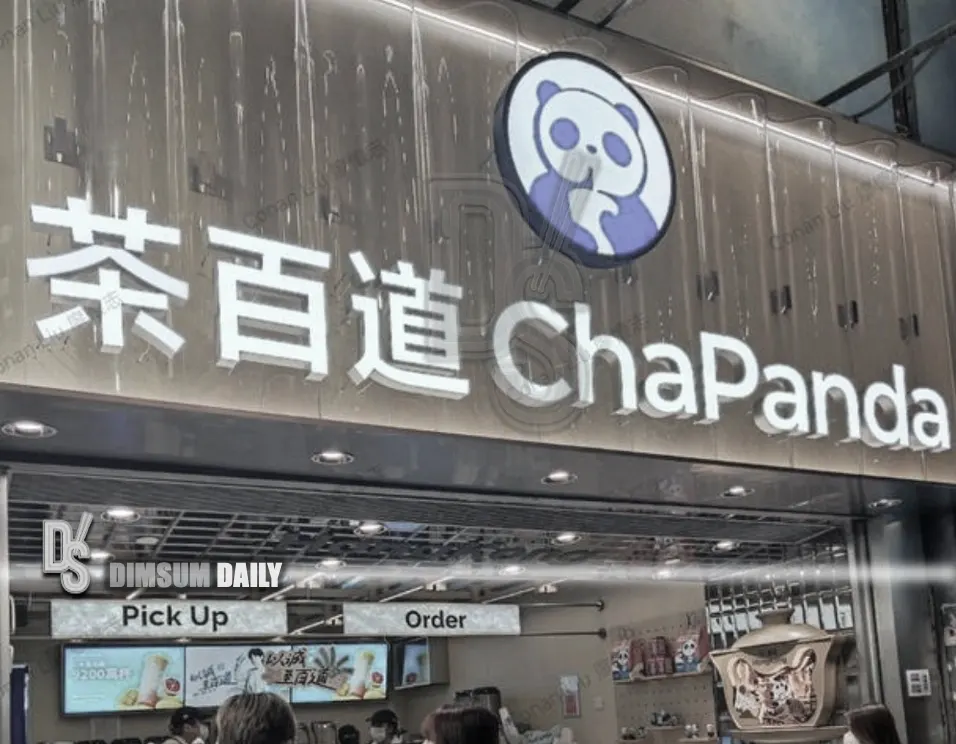
Hong Kong's IPO boom has a dark side, and the regulator has just put it on public display. On 13 October, the Securities and Futures Commission directed the stock exchange to suspend trading in Sichuan Baicha Baidao, the tea chain known to customers as ChaPanda, saying it had serious concerns that the company's IPO may have been rigged to create an artificial impression of demand, as Bloomberg reported.
The suspension was only part of the action. The SFC also served restriction notices on dozens of brokers, freezing the handling of client assets linked to two suspected syndicates worth billions of Hong Kong dollars. It is one of the most aggressive moves the regulator has made against IPO manipulation, and it arrives at a moment when Hong Kong is celebrating a revival of new listings.
What the SFC did
The SFC used its power to direct the exchange to suspend a stock when it believes this is necessary to maintain an orderly and fair market. In Baicha's case, it said it had serious concerns that the IPO may have been rigged to create an artificial impression of demand for the shares. Trading was halted from 9.00 am on 13 October.
At the same time, the regulator served restriction notices on brokers holding accounts linked to the suspected syndicates. According to FX News Group, the first syndicate's notices went to six brokers, covering client assets of up to about HK$4.38 billion in accounts tied to an individual and related companies, and linked to the IPOs of Cloudbreak Pharma and Baicha. A second set of notices went to 29 brokers, covering up to about HK$285 million linked to the Tianju Dihe IPO.
The SFC was careful to say that the brokers receiving the notices are not the subjects of its investigations, and that the notices do not affect the brokers or their other clients. The freezes target specific accounts the regulator believes are connected to the suspected manipulation.
How IPO rigging works
IPO rigging is about manufacturing the appearance of success. In a typical scheme, a group of coordinated accounts subscribes heavily for shares in a new listing, creating the impression of overwhelming demand. That apparent demand can justify a higher price, attract genuine investors who fear missing out, and push the share price up on the first day of trading.
Once real investors have bought in at inflated prices, the syndicate can sell, leaving latecomers holding shares that fall once the artificial support is withdrawn. The damage is not only to individual investors but to the credibility of the whole market, because if subscription figures cannot be trusted, neither can the signals investors rely on to value new companies.
When demand for a new listing can be manufactured, every oversubscription headline becomes a question rather than a signal.
Hong Kong's market structure can make such schemes tempting. Small allocations to retail investors, heavy reliance on oversubscription as a marketing tool and the speed of first day trading all create incentives to engineer demand. The SFC has warned sponsors and other gatekeepers to guard against manipulation, and it said it will launch targeted tools for IPOs to improve both efficiency and investor protection.
Baicha's response
Baicha said its operations are normal, that it has sought legal advice, and that it will cooperate with the regulator, according to TipRanks. It is important to note that the company itself has not been accused of wrongdoing in the SFC's public statements. The concern relates to how demand for its IPO may have been manipulated by others.
For shareholders, the suspension is painful regardless of who is responsible. Their shares cannot be traded while the halt remains in place, and the reputational impact on the company could affect its valuation once trading resumes. ChaPanda is a well known consumer brand, and the association with a manipulation probe is unwelcome.
The investigation is continuing, and the SFC has not set out a timeline for lifting the suspension or concluding its inquiries. Investors should watch for further statements from the regulator and the company.
Why this matters for Hong Kong's IPO revival
Hong Kong has enjoyed a strong revival in new listings, regaining its place among the world's busiest IPO markets after several difficult years. That success has been central to the city's pitch as a financial centre. A manipulation scandal threatens to undermine confidence just as momentum builds.
The SFC's decision to act publicly and forcefully sends a deliberate message. By suspending a well known stock and freezing billions in assets, the regulator is showing that it would rather confront manipulation openly than allow doubts to fester. That approach can protect Hong Kong's reputation in the long run, even if it causes short term discomfort.
The implications for market participants are clear:
- Sponsors and underwriters face greater scrutiny of how demand is built and allocated.
- Brokers must watch for coordinated subscription patterns among client accounts.
- Investors should treat extreme oversubscription figures with more caution.
- Regulators across Asia will study the SFC's tools as IPO markets heat up.
We have tracked the wave of financial listings across the region, including the fintech IPO wave of 2026. Healthy IPO markets depend on trust in the numbers, and that trust is exactly what manipulation attacks.
Lessons for Southeast Asian markets
The Hong Kong case is relevant far beyond the city. Southeast Asian exchanges, from Kuala Lumpur to Manila, are working hard to attract new listings, and several have recorded heavily oversubscribed offers this year. Regulators in those markets face the same risk that demand could be engineered rather than genuine.
The Philippine market is a timely example, with the record GCash listing drawing heavy demand this month. Nothing suggests any manipulation there, but the Hong Kong case shows why regulators everywhere need robust tools to verify that subscription figures reflect real investors rather than coordinated accounts.
Cross border cooperation is also becoming more important. Hong Kong and Malaysia have recently simplified dual listing procedures, which means problems in one market can quickly become relevant in another. Sharing information about suspected syndicates will be essential as listings increasingly span multiple exchanges.
A market that must earn trust
The SFC's action is a reminder that a busy IPO market is not automatically a healthy one. Volume and oversubscription are only meaningful if they reflect genuine investor demand, and manipulation turns those signals into traps for ordinary investors.
By acting decisively, Hong Kong's regulator has chosen to put market integrity ahead of headline numbers. The outcome of the investigation will matter, but the message has already been sent: rigging demand for a new listing will be met with suspensions, frozen assets and public scrutiny.
Why was ChaPanda's parent company suspended?
The SFC directed the suspension of Sichuan Baicha Baidao on 13 October 2026 because it had serious concerns that the company's IPO may have been rigged to create an artificial impression of demand for its shares.
How much money did the SFC freeze?
Restriction notices covered client assets of up to about HK$4.38 billion across six brokers for the first syndicate, and up to about HK$285 million across 29 brokers for the second, according to reports.
Which IPOs are linked to the investigation?
The first suspected syndicate is linked to the IPOs of Cloudbreak Pharma and Baicha, and the second to the IPO of Tianju Dihe.
Are the brokers under investigation?
No. The SFC said the brokers receiving restriction notices are not the subjects of its investigations, and the notices do not affect the brokers or their other clients.
What did Baicha say?
Baicha said its operations are normal, that it has sought legal advice and that it will cooperate with the SFC.
What is IPO rigging?
IPO rigging involves coordinated accounts subscribing heavily for a new listing to create the impression of strong demand, which can inflate the price and attract genuine investors before the syndicate sells.
When will Baicha shares trade again?
The SFC has not given a timeline. The investigation is continuing, and trading will resume only when the regulator considers it appropriate.
What does this mean for Hong Kong's IPO market?
It shows the SFC is prepared to act forcefully against manipulation, which may cause short term discomfort but aims to protect long term confidence in Hong Kong's listings.
Why does IPO rigging hurt ordinary investors?
Ordinary investors who buy into a listing because of apparently strong demand can end up paying inflated prices. When the artificial support is withdrawn and the syndicate sells, the share price can fall sharply, leaving latecomers with losses.
Hong Kong's crackdown on suspected IPO rigging is a test of whether a booming market can also be a clean one. The regulator has frozen billions, halted a famous consumer brand and put every sponsor and broker on notice. If the investigation leads to accountability, Hong Kong will have strengthened the very trust its IPO revival depends on, and set an example that markets across Asia would do well to follow.
Talk to the SpinDepth deskYou've finished this story
Read on, send it to someone, or ask about it.