 Media & Reputation
 Football
 Culture
 Experiences
 Advertising


Has bitcoin ever lost money two years in a row? Never, and 2026 is on course to be the first. Bitcoin finished 2025 down 6.34 percent and had lost about 15.65 percent this year by 10 November, Decrypt reported. Unless it climbs back above its 2026 opening price of about 87,500 dollars by 31 December, it will record its first back to back calendar year losses since it was created.
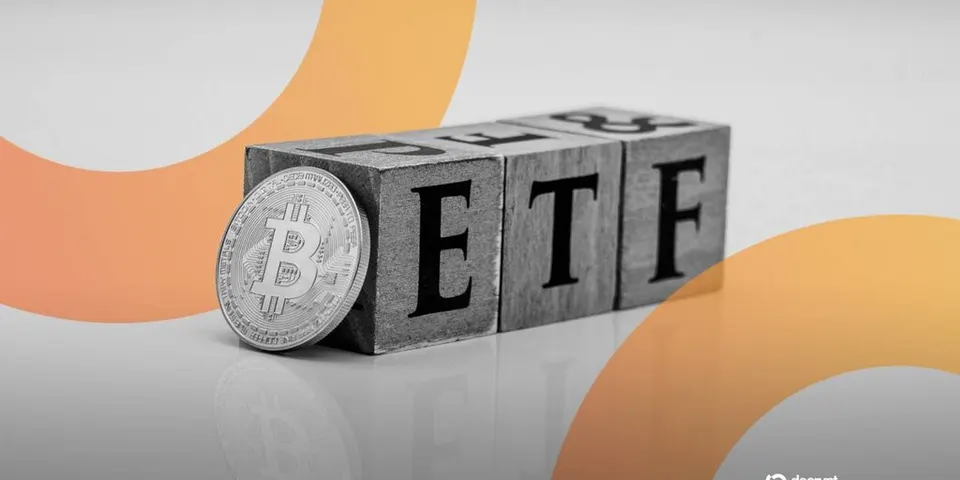
The money behind the institutional boom is also leaving. US spot bitcoin ETFs lost about 1.88 billion dollars in the first eleven days of November, and their total assets have fallen to 93.7 billion dollars, about 45 percent below their peak. Bitcoin dropped below 70,000 dollars on 13 November. Here is what the numbers say, and what history does and does not tell us.
The first back to back losing years
Bitcoin's losing years have always been followed by winning ones. It plunged 73.56 percent in 2018 and 64.27 percent in 2022, then gained about 92 percent in 2019 and more than 155 percent in 2023. Never before has it posted two negative calendar years in a row, and with about six weeks of 2026 left, it would need to gain about 18.5 percent from its 10 November level just to break even for the year.
There is nuance in the record. The combined decline over 2025 and 2026 is about 21 percent, far less than in previous crypto winters, and investors who bought at the start of 2024 are still sitting on large gains after that year's rise of more than 120 percent. Measured from the peak of about 126,000 dollars in October 2025 to the 2026 low below 58,000, however, the fall exceeds 50 percent, Decrypt noted.
Analysts have pointed to a more institutional investor base, spot ETFs and deeper liquidity as reasons why this downturn has been slower and less violent than past ones. Slower, though, is not the same as shallower for anyone who bought near the top.
The ETF exodus
The clearest sign of weak demand is in the ETFs. The funds lost about 1.44 billion dollars between 5 and 11 November, including 299.9 million on 11 November alone, bringing November's outflows to 1.88 billion after 520 million left in October, according to SoSoValue data cited by Decrypt. BlackRock's IBIT, the largest, lost more than 2 billion dollars over nine straight sessions, Cointelegraph reported.
The funds' total net assets have fallen to 93.7 billion dollars from a peak of 169.5 billion in October 2025, a drop of about 45 percent caused by both outflows and falling prices. HashKey senior researcher Tim Sun estimated the average holding cost for spot bitcoin ETFs at about 81,000 dollars, which means many ETF holders are now sitting on losses and may cut exposure further.
Not all of the selling is a vote against bitcoin. Hedge funds that bought ETF shares while shorting futures to capture the price gap have exited as that trade became unprofitable, analysts said, which means ETF flows now reflect real directional demand more closely. Sun said the five day outflows amounted to about 2.6 percent of the funds' 55.1 billion dollars of cumulative net inflows, "far from a full scale retreat".
Bitcoin has never lost money two years running. With about six weeks left, it needs to rise about 18 percent just to avoid that record.
Why bitcoin is falling while stocks rise
Bitcoin has decoupled from technology shares. Between 5 and 12 November it fell 5.9 percent while the Nasdaq 100 gained 6.4 percent, 10x Research said, suggesting bitcoin is reacting more to rising Treasury yields and a stronger dollar than to tech sentiment, Cointelegraph reported. It has been trading more like gold, which fell 5.5 percent over the same period as the US 10 year yield climbed above 5 percent.
The Crypto Fear and Greed Index fell to 20 on 13 November, its lowest in more than four months. Giottus chief executive Vikram Subburaj pointed to institutional outflows, tightening crypto liquidity and expectations of a December Federal Reserve rate hike, and warned investors against chasing dips or using excessive leverage. Corporate buyers have slowed too, as the discounts on bitcoin treasury companies such as Strategy make it harder for them to raise money, as we showed in our comparison of bitcoin treasury companies.
Traders describe a market without buyers. The derivatives desk at Laser Digital pointed to weak spot demand, a persistently negative Coinbase premium, which signals weaker buying from US investors, and large liquidations of leveraged long positions, Cointelegraph reported. Bitcoin barely rose when the Nasdaq gained almost 3 percent on 9 November, the desk noted, a sign that it is no longer moving with technology stocks on the way up.

What could turn it around
History offers some comfort and some warning. Bloomberg ETF analyst Eric Balchunas compared bitcoin ETFs with the gold ETF GLD, which saw around 40 percent of its investors leave after its 2011 peak and took nearly a decade to recover its assets, but now holds nearly three times that early high. Bitfinex found that when ETF outflow streaks earlier this year ended with at least three straight days of inflows, bitcoin gained a median 6.4 percent over the following ten sessions.
The signals to watch:
- three or more consecutive days of ETF inflows, which Bitfinex links to rebounds
- the 30 day change in stablecoin supply turning positive
- a stop to outflows from BlackRock's IBIT
- bitcoin participating in stock market rallies again
- the Fed's 9 December decision and the path of US yields
For Southeast Asian investors, the comparison with other assets is just as important. We set out how bitcoin has performed against gold and US stocks in our analysis of 2026's worst assets, and how the stablecoin market is shrinking in our stablecoin comparison.
Has bitcoin ever had two losing years in a row?
No. If it ends 2026 below its opening price of about 87,500 dollars, it will be the first time.
How much did bitcoin fall in 2025?
6.34 percent, according to Decrypt.
How much is bitcoin down in 2026?
About 15.65 percent at 10 November, and it fell below 70,000 dollars on 13 November.
What would bitcoin need to finish 2026 positive?
About an 18.5 percent rise from its 10 November level of about 73,850 dollars.
How much have bitcoin ETFs lost in November?
About 1.88 billion dollars of net outflows in the first eleven days, after 520 million in October.
How big are US spot bitcoin ETFs now?
About 93.7 billion dollars of total net assets, down about 45 percent from 169.5 billion in October 2025.
How much has BlackRock's IBIT lost?
More than 2 billion dollars of net outflows over nine straight trading sessions to 11 November.
What is the average cost for bitcoin ETF holders?
About 81,000 dollars, according to an estimate by HashKey's Tim Sun, which means many holders are at a loss.
Why is bitcoin falling when stocks are rising?
Analysts say it is reacting to higher US yields, a stronger dollar and weak demand rather than to tech stocks.
What is the Crypto Fear and Greed Index at?
20 on 13 November, extreme fear and its lowest in more than four months.
How did bitcoin do after its previous losing years?
It gained about 92 percent in 2019 after 2018's fall and more than 155 percent in 2023 after 2022's.
How far is bitcoin from its peak?
It peaked at about 126,000 dollars in October 2025 and fell below 58,000 in 2026, a drop of more than 50 percent.
What could signal a rebound?
Several straight days of ETF inflows, stablecoin supply growing again and bitcoin rising with stocks.
Should investors buy the dip?
SpinDepth does not give investment advice. Analysts quoted here warned against chasing short term dips or using excessive leverage.
What is the Coinbase premium?
The difference between bitcoin's price on Coinbase and on Binance. A negative premium suggests weaker buying from US investors.
How much money has flowed into bitcoin ETFs overall?
About 55.1 billion dollars of cumulative net inflows, so the five day outflows of early November were about 2.6 percent of that total.
Bitcoin's institutional era has produced a different kind of bear market: slower, less violent and longer. The ETFs that brought in tens of billions are now leaking money, the asset is on course for its first back to back losing years, and it no longer rallies when stocks do. History says losing years are followed by strong recoveries, but history never had two in a row; for investors in Asia and elsewhere, the next six weeks will decide whether 2026 breaks the pattern.
Talk to the SpinDepth deskYou've finished this story
Read on, send it to someone, or ask about it.