 Media & Reputation
 Football
 Culture
 Experiences
 Advertising

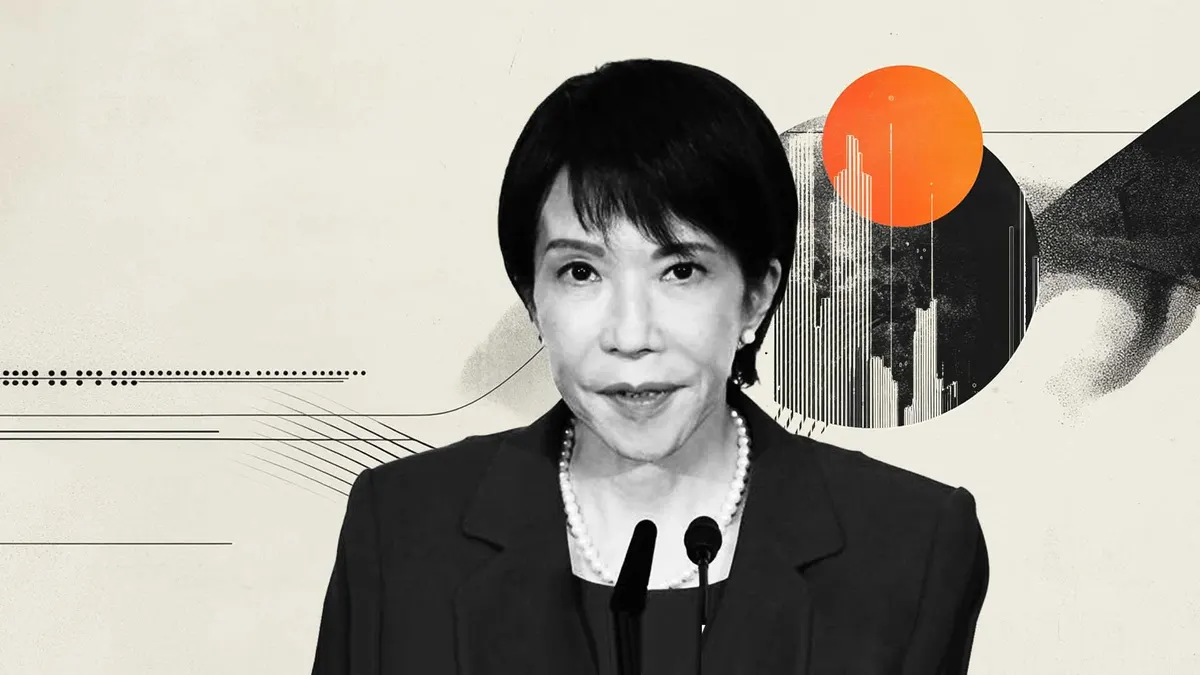
How close is Japan to intervening in the yen again? Closer than at any time since the summer. The dollar pushed above 160 yen on 13 November, its highest since early September, and Prime Minister Sanae Takaichi said Tokyo was closely monitoring markets, would strive to preserve orderly foreign exchange markets and was in contact with US financial authorities, FXStreet reported. That last phrase matters: in July, Japan and the United States intervened together.
The trigger was not Japan but Washington. Hot US inflation data and hawkish comments from Federal Reserve officials sent the 10 year Treasury yield back above 5 percent, widening the gap with Japanese rates that has weighed on the yen for years. With the Bank of Japan's next meeting on 17 and 18 December and Takaichi heading to China for the first time as prime minister this week, the yen has become the region's most politically charged currency.
Tokyo's warnings, step by step
The verbal escalation came in two stages. On 12 November, Atsushi Mimura, Japan's vice finance minister for international affairs and its top currency diplomat, told reporters that the yen's moves over the past few days were "too rapid", and that it was "too early" to forget what happened in the summer, Kyodo reported via The Straits Times. The dollar was trading around the mid 159 yen level at the time.
A day later, Takaichi herself spoke, which raised the stakes. When a prime minister repeats the finance ministry's language and adds that she is in contact with US authorities, markets read it as a signal that a coordinated move is possible, as it was in late July. The yen ticked up from 160 after her comments but stayed close to that level.
Japan's history explains the caution. The yen fell beyond 163 per dollar, a level not seen in about four decades, before Tokyo carried out a series of interventions this summer, including jointly with the United States on 31 July. Those interventions slowed the decline but did not reverse it, partly because markets worry about Japan's fiscal health as Takaichi pushes for more spending, Kyodo reported.
Why the yen keeps falling
The core problem is the interest rate gap. The Bank of Japan's policy rate is 1.25 percent, while the Fed's range is 3.75 to 4 percent and heading higher. Fed Governor Christopher Waller said that with elevated inflation, "hiking only 25 basis points would put our credibility at risk", and Dallas Fed President Lorie Logan said the Fed needs at least two more quarter point increases, FXStreet reported. The two year Treasury yield rose 35 basis points in one week.
Japan has also had its own dovish moment. Bank of Japan board member Asada warned on 12 November about the economic risks of raising borrowing costs too fast, which weighed on the yen just as US yields jumped. The combination, a hawkish Fed and a cautious BoJ voice, is exactly what keeps the carry trade alive: investors borrow cheaply in yen and invest in higher yielding dollar assets.
Japan can sell dollars to slow the yen's fall, but it cannot close a gap of more than 2.5 percentage points in interest rates with a currency operation.
December: the Bank of Japan's turn
The Bank of Japan may help the yen next month. In October it held its rate at 1.25 percent, with one board member proposing a rise to 1.5 percent, and said underlying inflation was broadly in line with its 2 percent target. In a Reuters poll that month, 54 of 78 economists expected a rise to 1.5 percent this quarter, most at the December meeting, BeInCrypto reported via Yahoo Finance.
DBS expects the data to support that move. It forecasts third quarter growth of 0.8 percent at an annualised rate, broadly in line with trend, October export growth of 17 percent and a wider trade deficit of 1.2 trillion yen, and said these "should reinforce the case for a 25bp BOJ rate hike at the December policy meeting", FXStreet reported. Even then, a quarter point rise would leave Japanese rates far below US rates if the Fed also moves.
The timing could prove awkward. The Fed decides on 9 December and the BoJ on 18 December, so a larger than expected US hike would arrive before Japan's response. That is the scenario in which intervention becomes most likely.
Takaichi's week: Manila, then Shenzhen
The currency pressure comes as Takaichi makes a delicate trip. She will visit the Philippines and China from 16 to 19 November for ASEAN related meetings and the APEC summit in Shenzhen, her first trip to China since becoming prime minister in October 2025, AFP reported via The Star. Relations have been strained since she suggested last November that Japan might intervene in an attack on Taiwan, after which China warned its citizens against travelling to Japan and imposed trade restrictions.
A Quad meeting with Australia, India and the United States is being arranged on the sidelines of the ASEAN meetings, and analysts say a bilateral summit with Xi Jinping is very unlikely. Any meeting with US officials, however, will be watched for currency signals after Takaichi's comments about contact with US authorities.
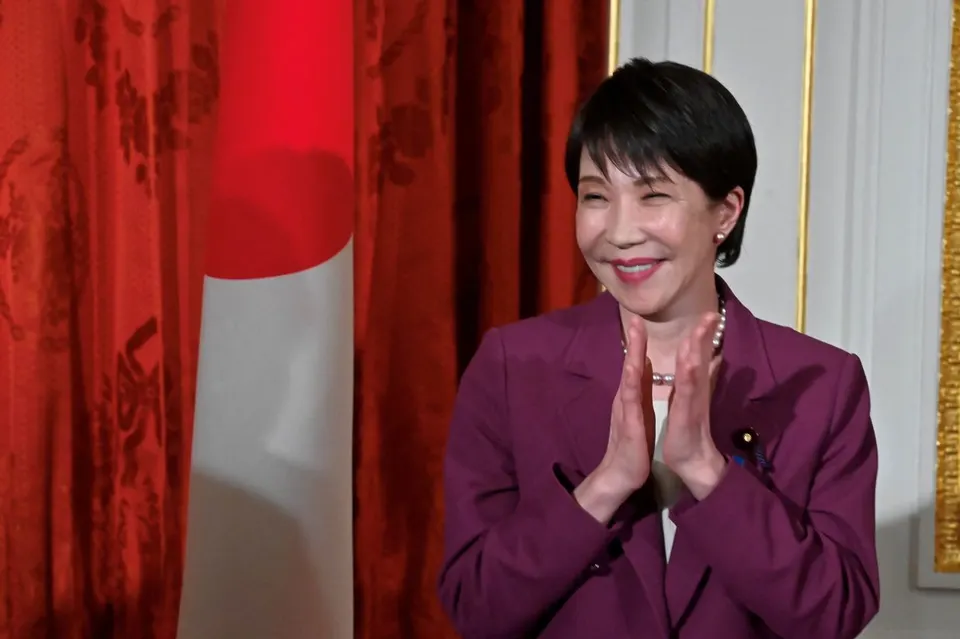
What a weak yen means for Southeast Asia
The yen matters to the region well beyond Japan's borders. Japan is one of Southeast Asia's largest investors and trading partners, and Japanese tourists are a major source of spending in Thailand, Vietnam and the Philippines, so a currency at 160 per dollar changes prices on both sides. The effects run in several directions:
- Japanese tourists find Southeast Asian holidays more expensive, while the region's travellers find Japan cheaper
- Japanese exporters gain price advantages over regional competitors in cars and machinery
- yen denominated loans become cheaper to repay for borrowers in the region
- intervention days can cause sharp swings in all Asian currencies as dollar positions adjust
For Asian currencies broadly, the yen is a warning about what a December Fed hike can do, as we set out in our comparison of Asia's central banks and real interest rates.
Intervention days are the moments to watch. When Tokyo sells dollars, the move can ripple through every Asian currency within minutes, as traders adjust positions in the dollar itself. Those swings tend to be short lived, but they can trigger stop losses in currencies that have nothing to do with Japan.
What level is the yen at?
The dollar traded around 160 yen on 13 November 2026, its highest since early September.
Will Japan intervene to support the yen?
Officials have warned that they could. Prime Minister Takaichi said authorities are closely monitoring markets and are in contact with US financial authorities.
What did Atsushi Mimura say?
Japan's top currency diplomat said on 12 November that the yen's fall had been too rapid and that it was too early to forget the summer intervention.
When did Japan last intervene?
Japan carried out a series of interventions this summer, including a joint intervention with the United States on 31 July, after the yen weakened beyond 163 per dollar.
Why is the yen weak?
The gap between Japan's 1.25 percent policy rate and the Fed's 3.75 to 4 percent range, plus worries about Japan's fiscal spending.
Will the Bank of Japan raise rates in December?
Many economists expect a rise to 1.5 percent at the 17 and 18 December meeting. In a Reuters poll in October, 54 of 78 expected a hike this quarter.
What is the Bank of Japan's interest rate?
1.25 percent, held at its October meeting.
What is the yen carry trade?
Borrowing in yen at low interest rates to invest in higher yielding assets elsewhere, which keeps pressure on the yen when the rate gap is wide.
Why did US yields rise?
Hot October inflation data and hawkish comments from Fed officials raised expectations of a December US rate rise.
Is Takaichi going to China?
Yes. She attends the APEC summit in Shenzhen during a 16 to 19 November trip that also includes the Philippines, her first visit to China as prime minister.
Will Takaichi meet Xi Jinping?
Analysts say a bilateral summit is very unlikely given strained relations over Taiwan.
What does DBS expect for Japan's economy?
Third quarter growth of 0.8 percent at an annualised rate and October export growth of 17 percent, supporting a December rate rise.
How does a weak yen affect Southeast Asia?
It makes Japan cheaper for the region's travellers, sharpens competition from Japanese exporters and can cause swings in Asian currencies on intervention days.
When are the next Fed and BoJ decisions?
The Fed decides on 9 December and the Bank of Japan on 18 December.
The yen has returned to the level that triggered Japan's last round of intervention, and this time the prime minister has said publicly that she is talking to Washington. Tokyo can buy time with intervention and the Bank of Japan can narrow the gap a little in December, but as long as US rates are rising faster, the pressure on the yen will return. For traders across Asia, 160 is now a line where politics, not just markets, sets the price.
Talk to the SpinDepth deskYou've finished this story
Read on, send it to someone, or ask about it.