 Media & Reputation
 Football
 Culture
 Experiences
 Advertising

Hyperliquid has been the decentralised finance story of the past two years: a blockchain built around a perpetual futures order book, with a growing list of brokers and fintechs plugging into it. This month Hong Kong's markets regulator gave it a different label. On 18 November the Securities and Futures Commission added Hyperliquid to its list of suspicious virtual asset trading platforms.
The warning is short, but it settles a question many traders in Asia have been asking: whether a platform that runs on a blockchain, with no office in the city, falls under Hong Kong's rules. The SFC's answer is that it can. We looked at what the regulator said, how it compares with the UK warning earlier this year, and why the same platform is being wired into a regulated US plan at the same time.
What the SFC said
The regulator's warning was direct. The SFC said Hyperliquid is not licensed to provide services in Hong Kong and may be actively marketing its services to local investors. Accounts and assets held through Hyperliquid, it said, are outside the supervision that applies to SFC-licensed platforms, Finance Magnates reported.
It also spelled out the risk to users in plain terms. Clients of unlicensed platforms could lose their holdings if an operator collapses, stops trading, is hacked or misappropriates assets, the SFC said. The notice covers Hyperliquid at the platform level, without separately addressing its spot and perpetual products, so the warning applies to the venue as a whole rather than to any single market on it.
The suspicious platforms list is the SFC's main public tool for this. It sits alongside the register of the city's licensed virtual asset trading platforms, of which there are 13, and is meant to give investors a quick way to tell the two apart. We compared those 13 licensed venues, from OSL and HashKey to Bullish and HKVAX, in our report on Hong Kong's licensed exchanges.
Why being on-chain did not help
The core of the warning is about jurisdiction. Hong Kong's licensing rules apply to platforms operating in the city and to overseas companies that target Hong Kong investors. An offshore registration, or an on-chain trading model, does not automatically place a platform outside the local regulatory perimeter, Finance Magnates noted in its analysis of the notice.
Regulators look at behaviour more than legal address. They consider whether a platform, or the brokers, wallets and front ends around it, allow local users to onboard, run local advertising or operate referral programmes. Permissions also depend on the product: a licence to trade virtual assets does not necessarily cover derivative-style contracts such as perpetual futures, or every service attached to them.

The legal stakes in Hong Kong are real. Under the Anti-Money Laundering and Counter-Terrorist Financing Ordinance, it is a criminal offence to actively market unlicensed virtual asset services to the Hong Kong public. That can lead to orders blocking access, banking restrictions and enforcement against local promoters or affiliates, which is why the warning matters as much to influencers, introducing brokers and communities that promote a platform as to the platform itself.
Hong Kong and the UK, compared
Hong Kong is the second major regulator to act. In May the UK's Financial Conduct Authority added Hyperliquid to its warning list, saying the platform "may be providing or promoting financial services or products without our permission". Both the FCA's warning list and the SFC's suspicious platforms list are public warnings to consumers, not court findings.
The two warnings share a logic. Both regulators treat a platform's reach into their market as the trigger, not its technology. Both put the burden on users to check, and both point to the absence of local protections, starting with the fact that the regulator does not supervise the platform or the assets held on it. For a trader in Hong Kong or London, the practical effect is the same: using Hyperliquid means using a venue that the local regulator has publicly said it does not supervise.
Decentralised does not mean outside the rules. Hong Kong has now said, in writing, that it judges a platform by who it reaches, not by where its code runs.
There are also differences that matter in Asia. Hong Kong has a licensing regime for virtual asset trading platforms that is already in force and a public list of 13 licensed venues, so the warning steers users toward named alternatives. Hong Kong's criminal offence for actively marketing unlicensed services also reaches the promoters and communities around a platform, not only the platform itself.
The same platform, wired into a regulated US plan
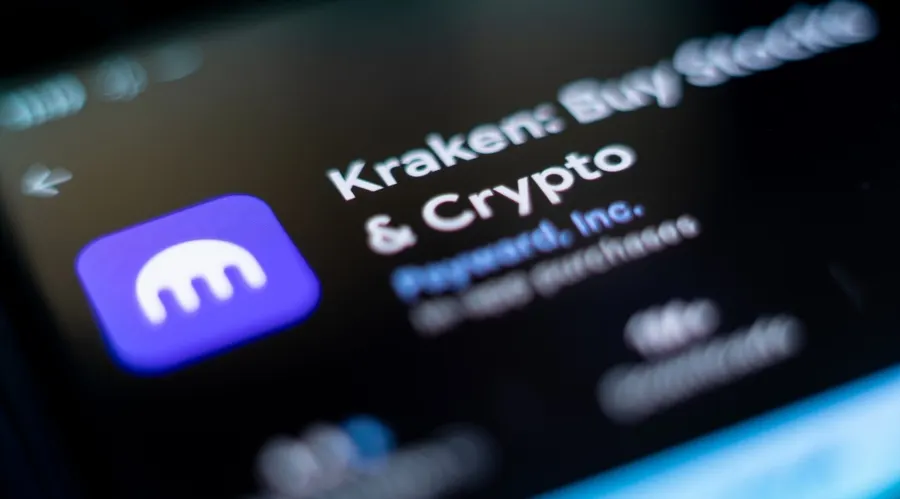
The warning lands as Hyperliquid is being drawn into regulated finance elsewhere. In September Kraken's parent, Payward, said it plans to bring US-regulated perpetual futures to Hyperliquid's on-chain order book using the protocol's HIP-3 framework, which lets third parties deploy markets on the network. Under the proposal, Hyperliquid would provide the blockchain and order book, while access, clearing and administration would stay with Payward's regulated companies.
The structure is tightly controlled. Finance Magnates reported that Bitnomial Exchange, a CFTC-designated contract market, would create and administer the markets, Bitnomial Clearinghouse would settle trades, and NinjaTrader Clearing, a CFTC-registered futures commission merchant, would open customer accounts. Only accounts onboarded by NinjaTrader and on both firms' allowlists could trade. The plan is subject to regulatory approval, has no launch date, and would not make Hyperliquid itself a regulated US exchange.
Others are building on it too. Finance Magnates has reported that Coinbase routes users of its Base app to Hyperliquid perpetuals, without US access, and that FDCTech's ArcaTrader has announced 24/7 perpetuals for brokers and prop firms powered by Hyperliquid. We covered Payward's plan in more detail in our report on Payward and Hyperliquid's US perpetuals.
What Asian traders and brokers should take from it
The contrast is the point. In the US, a regulated firm is proposing to use Hyperliquid as infrastructure, with its own licences, clearing and customer checks wrapped around it. In Hong Kong, the platform reached users directly, and the regulator has said that this falls inside its perimeter. The technology is the same in both cases; what differs is who stands between the user and the order book.
For traders and firms in the region, the warning comes down to a few practical points:
- In Hong Kong, Hyperliquid is now on the SFC's suspicious platforms list and is not licensed.
- Assets held through it are outside SFC supervision, with no recourse to the regulator.
- Promoting unlicensed virtual asset services to the Hong Kong public can be a criminal offence.
- Brokers and fintechs using Hyperliquid as infrastructure need to check their own permissions in each market they serve.
The warning also fits a wider pattern in Asia, where regulators have been tightening around offshore and decentralised venues this year. We have covered the same trend in India's enforcement over offshore routing, which named Hyperliquid among the platforms involved, in our report on India's ED searches.
Is Hyperliquid banned in Hong Kong?
The SFC has added Hyperliquid to its list of suspicious virtual asset trading platforms and said it is not licensed in Hong Kong. The list is a public warning.
When did the SFC flag Hyperliquid?
The SFC's warning was published on 18 November 2026.
Why did the SFC flag a decentralised exchange?
Hong Kong's rules apply to overseas platforms that target local investors. An on-chain model does not automatically place a platform outside the rules.
What risks did the SFC mention?
Assets held through Hyperliquid are outside SFC supervision, and users could lose holdings if an operator collapses, stops trading, is hacked or misappropriates assets.
Is promoting Hyperliquid in Hong Kong illegal?
Actively marketing unlicensed virtual asset services to the Hong Kong public is a criminal offence under the Anti-Money Laundering and Counter-Terrorist Financing Ordinance.
Has any other regulator warned about Hyperliquid?
Yes. The UK's Financial Conduct Authority added Hyperliquid to its warning list in May 2026.
Is Hyperliquid regulated in the US?
No. Payward has proposed regulated perpetuals on Hyperliquid through its own CFTC-registered firms, but that would not make Hyperliquid a regulated exchange.
Which crypto platforms are licensed in Hong Kong?
The SFC licenses 13 virtual asset trading platforms, including OSL, HashKey, Bullish and HKVAX.
Does the warning cover Hyperliquid perpetual futures?
The notice covers Hyperliquid at the platform level, without separating its spot and perpetual products.
What should Hong Kong users holding assets on Hyperliquid do?
Check the SFC's lists, understand that the platform is not supervised in Hong Kong, and consider whether to keep assets on an unlicensed venue.
Hong Kong has drawn a clear line for decentralised venues: reach local users, and the city's rules apply. At the same time, Hyperliquid is being built into a regulated US plan by firms that wrap their own licences around it, which shows the gap between using a protocol as infrastructure and offering it to the public directly.
Talk to SpinDepth about crypto market entry in Hong Kong and AsiaYou've finished this story
Read on, send it to someone, or ask about it.