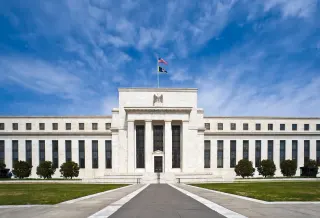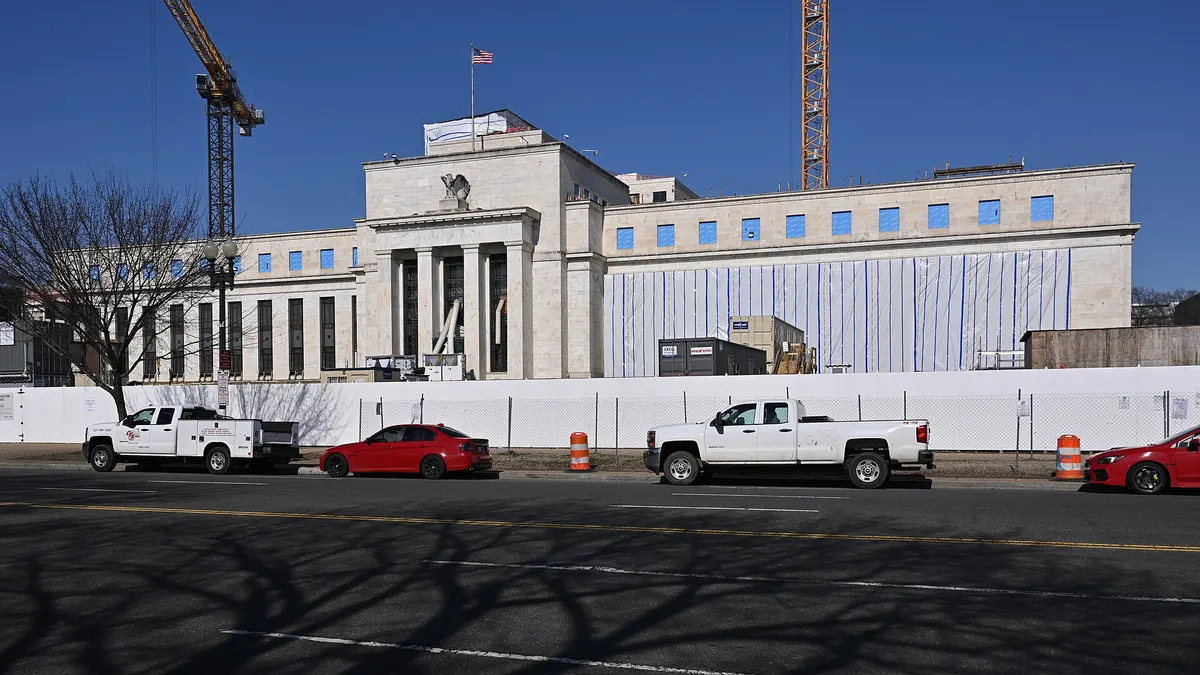
The United States added just 29,000 jobs in September, according to the payroll report released on Friday 2 October. The consensus forecast compiled by FactSet was 90,000, with the most pessimistic estimate at 60,000, so the result came in below even the lowest call. Two weeks earlier the Federal Reserve had raised rates by 25 basis points to 3.75 to 4 percent, its first hike since 2023, and most officials projected at least one more. The week ahead is about one question: can a central bank keep tightening into a labour market that is visibly slowing?
How big a miss this really is
Payroll numbers bounce around, and one weak month does not make a recession. But this one stands out for three reasons. It is less than a third of what economists expected. It follows a 162,000 gain in August, so the slowdown is sharp rather than gradual. And it arrives just after the Fed justified its hike by pointing to inflation pressure, not labour market strength, which means the central bank is now tightening on one side of its mandate while the other side weakens.
The trailing twelve-month average of payroll gains was about 50,000 before this release, according to FactSet's preview, which already showed a cooling trend underneath the occasional strong month. September pulls that trend lower still. Revisions over the next two reports could change the picture, but markets trade the number they have, and the number they have says hiring has nearly stalled.
The Fed's own projections leave little room for this. Sixteen of the eighteen officials at the September meeting expected at least one more increase this year, and markets had priced a further 25 basis points in December. A labour market adding fewer than 30,000 jobs a month makes that path much harder to defend in public, especially with the next decision due on 28 October.
The unemployment rate will matter as much as the headline number. If joblessness rises alongside weak hiring, the slowdown looks real. If it holds near 4.1 percent, officials can argue that slower hiring reflects limited labour supply rather than collapsing demand. That distinction will shape how quickly the Fed is willing to change its message, and traders should read the full report rather than reacting to the payroll figure alone.

Why the Fed hiked in the first place
To understand the bind, remember why the Fed moved in September. Inflation stayed elevated as energy prices climbed, and the committee voted 12 to 0 to raise rates, as CNBC reported. The hike was an inflation decision. Officials accepted some cost to growth to keep price pressures from becoming entrenched.
Central banks dislike reversing course quickly, because it suggests the original decision was a mistake. So the most likely response is not an immediate cut but a pause, with officials arguing that the September hike was insurance and that they can now wait for more data. Markets, however, move faster than central banks. Traders will start pricing the chance that December's expected hike disappears, and that repricing shows up first in the dollar.
There is also a global dimension. The Reserve Bank of Australia raised its cash rate to 4.60 percent on 29 September, its fourth hike of the year, citing energy prices and demand linked to artificial intelligence. If the US starts signalling a pause while Australia keeps tightening, the rate gap between the two narrows, and that is exactly the kind of shift that moves currency pairs sharply.
Markets have seen this tension before. In past cycles, the Fed has sometimes raised rates into a softening labour market and then had to reverse within months, which produced sharp moves in bonds and currencies. Traders who remember those episodes will be quick to bet on a reversal this time too, and that positioning can itself push the dollar and Treasury yields further than the data alone would justify.
- September payrolls: plus 29,000, against a consensus near 90,000
- August payrolls: plus 162,000, with unemployment at 4.1 percent
- Fed funds target: 3.75 to 4 percent after the 16 September hike
- Fed outlook: 16 of 18 officials projected at least one more hike
- Next Fed decision: 28 October 2026
What it means for the dollar, gold and Bitcoin
The dollar had been strong into October, supported by higher US yields. A weak payroll print is the classic trigger for that support to fade, because it raises the odds that US rates peak sooner than expected. The first pairs to react are usually dollar-yen and euro-dollar, where positioning is heaviest, followed by Asian currencies that have been under pressure all quarter.
Gold is the other obvious beneficiary. Spot gold was trading around 4,167 dollars an ounce on 1 October, well below its 2026 peak near 5,415 dollars, capped by a firm dollar and high Treasury yields. If the payroll miss pulls yields lower, that cap loosens. Bitcoin, which just posted its best quarter since late 2024 on 6.34 billion dollars of US spot ETF inflows, tends to respond to the same shift in rate expectations, though with much more volatility.
None of these moves is guaranteed. If inflation data later in October comes in hot, the Fed can point to it and keep its hiking bias, and the payroll miss will be treated as noise. That two-way risk is what makes the coming weeks dangerous for leveraged traders who assume the story has already been decided.
Stock markets face a more mixed picture. Lower rate expectations usually help equities, but a sharp slowdown in hiring can also signal weaker corporate earnings ahead. If investors start to fear a recession rather than celebrate a pause, risk assets can fall even as yields drop. That combination tends to favour the yen and gold over equities and higher-risk currencies.
The Fed is now tightening on one side of its mandate while the other side weakens.
What Asian traders should watch this week
For Southeast Asian traders the week brings two specific events. On Wednesday 7 October the Fed publishes the minutes of its September meeting, which will show how divided officials really were behind the unanimous vote. Any sign that some members saw the hike as a one-off would add weight to the pause scenario. The Reserve Bank of India also meets on the same day, a reminder that the rest of Asia is setting policy around a moving US target.
For currencies such as the Thai baht, the Philippine peso and the Indonesian rupiah, a softer dollar would be welcome relief after a quarter of pressure. But relief rallies driven by one data point can reverse quickly. Traders who were hurt by the strong dollar in September should be careful about swinging to the opposite extreme on the strength of a single report, which we discussed in our analysis of the Fed hike's impact on Asian currencies.
Oil prices are the wildcard. The Fed's September hike and the Reserve Bank of Australia's latest increase were both justified partly by energy costs. If oil eases, the inflation case for further hikes weakens alongside the labour market, and a pause becomes much easier to justify. If oil rises again, central banks may feel forced to keep tightening even as hiring slows, which is the most difficult combination for currencies and stocks alike.
How brokers should talk to clients about it
Weeks like this are when clients most need clear explanation and least often get it. A simple, honest note explaining why a weak jobs report can push the dollar down, gold up and volatility higher, and why the opposite can happen if inflation surprises, does more for client retention than any bonus campaign. The brokers who publish that in their clients' own languages, quickly, will look like the ones who actually understand the market.
How many jobs did the US add in September 2026?
Nonfarm payrolls rose by 29,000 in September 2026, according to the report released on 2 October, against a consensus forecast of about 90,000.
Will the Fed stop raising rates?
A pause is now more likely, but not certain. The Fed hiked in September to fight inflation, and strong inflation data before the 28 October meeting could keep further hikes on the table.
How does a weak jobs report affect the dollar?
It usually weakens the dollar because it raises the chance that US interest rates peak sooner, reducing the yield advantage of holding dollars.
When are the Fed minutes released?
The minutes of the September FOMC meeting are due three weeks after the decision, on Wednesday 7 October 2026.
A 29,000 payroll number does not tell us where the economy is going on its own. What it does is break the comfortable assumption that the Fed can keep tightening without visible damage. For the rest of October, every inflation release, every Fed speech and the September minutes will be read through that lens. Traders who understand the tension between the two halves of the Fed's mandate will be better placed than those who pick a side and bet everything on it.
Speak with the SpinDepth desk