For two years, Southeast Asian fintech lived through a funding winter. Valuations fell, start-ups closed and investors questioned whether the region's digital finance boom could ever deliver returns. Over the past month, that mood changed. Grab agreed to buy 60 percent of buy now, pay later lender Atome Financial for 1.49 billion dollars, Bloomberg reported. Circle agreed to acquire Singapore payments firm Tazapay for about 400 million dollars in stock. Mynt, the company behind GCash, priced the largest IPO in Philippine history. And three Malaysian firms began exploring a ringgit stablecoin for tokenised fund settlement. Four very different deals, one clear message: serious money is flowing back into Southeast Asian fintech.
The four deals in brief
Grab's purchase of Atome gives the super-app a lending business with 25 million cumulative transacting users across Singapore, Malaysia, the Philippines, Indonesia and Thailand. Grab will pay 1.49 billion dollars for 60 percent and buy the rest within two years, with closing expected by the third quarter of 2027. It is a bet that lending, not payments, is where super-apps make money.
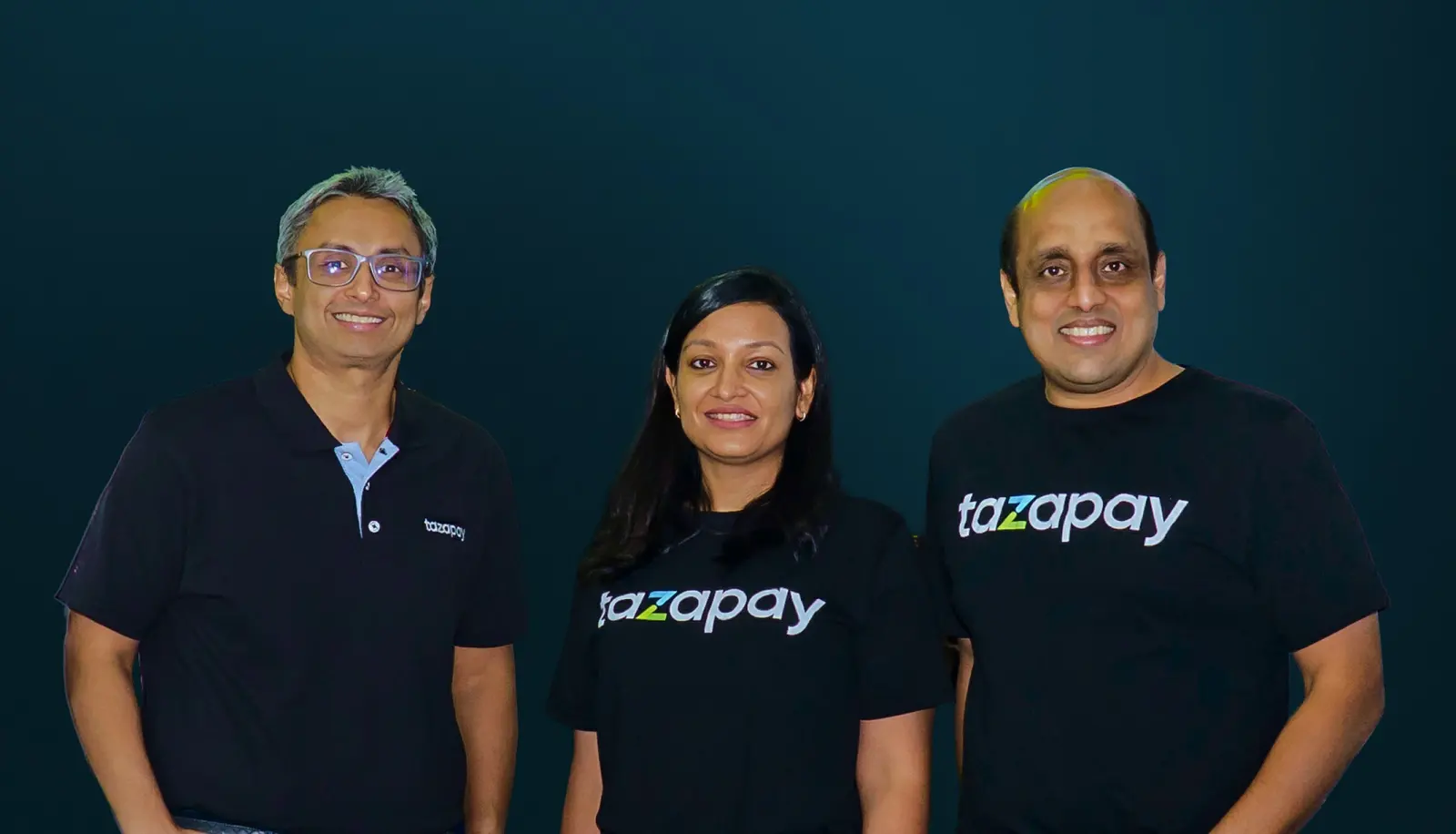
Circle's acquisition of Tazapay buys the local payout rails that let businesses turn USDC into local currencies across more than 100 markets. Tazapay processes over 25 billion dollars a year, about 60 percent in stablecoins. The deal needs approval from the Monetary Authority of Singapore and is expected to close in 2027.
GCash's IPO priced at 6.60 pesos a share, on track to raise up to about 60.9 billion pesos and beat Monde Nissin's record, with BlackRock, T. Rowe Price and the IFC among cornerstone investors. Malaysia's UMYR initiative, from Luno, Halogen Capital and Kenanga Investors, is a closed-loop institutional test of a fully reserved ringgit stablecoin.
The scale of the GCash listing deserves emphasis. With cornerstone commitments of about 36.5 billion pesos from more than 20 institutions, it gives international investors a large, liquid way to gain exposure to Southeast Asian digital finance for the first time in years, which could encourage more listings across the region.
What links them
On the surface, the deals have little in common: a super-app buying a lender, a stablecoin issuer buying a payments network, a wallet going public and a regulated stablecoin pilot. Underneath, they share three themes. First, ownership of the customer relationship is being rewarded. Grab and GCash both control apps that tens of millions of people open every week, and investors are paying for that access.
Second, regulated infrastructure is valuable. Tazapay's worth lies in its licences and banking relationships, and UMYR's design emphasises licensed participants and onshore reserves. In a region where regulation is tightening, the firms that have built compliant rails hold assets competitors cannot quickly copy.
Third, stablecoins and tokenisation are moving from experiment to strategy. Circle is betting 400 million dollars that stablecoin payments in emerging markets will grow. Malaysia is testing local-currency tokens for capital markets. Both reflect a belief that blockchain settlement will become part of Southeast Asia's financial plumbing.
Data is a fourth, quieter theme. Grab, GCash and Atome all hold rich data on how customers spend, borrow and repay. That information supports lending and other products that are far more profitable than payments alone, and it is a major reason buyers and investors value these platforms so highly.
- Grab and Atome: 1.49 billion dollars for 60 percent of a BNPL lender with 25 million users
- Circle and Tazapay: about 400 million dollars in stock for payout rails across 100-plus markets
- GCash IPO: priced at 6.60 pesos, on track for a Philippine record
- Malaysia UMYR: closed-loop ringgit stablecoin test for tokenised funds
- Common themes: customer ownership, regulated infrastructure, tokenisation
Why now
Several conditions came together. Southeast Asian fintechs that survived the downturn have cut costs and improved unit economics, making them more attractive to buyers and public investors. Regulators have clarified rules on digital banks, stablecoins and lending, reducing uncertainty. And global players, from payments giants to stablecoin issuers, see the region's young, mobile-first population as one of the largest growth opportunities left.
Macro conditions are mixed, which makes the timing more notable. The US Federal Reserve raised rates in September, and many Asian currencies have been under pressure. Investors committing large sums in that environment are signalling long-term conviction rather than chasing short-term momentum.
There is also competitive urgency. When one global player buys a key asset in the region, rivals feel pressure to secure their own positions before the best targets are gone. Expect more deals as payment networks, banks and crypto firms compete for Southeast Asian distribution, a trend we flagged in our earlier analysis of regional M&A.
Interest rates also play a role. Higher rates make lending more profitable for firms with cheap funding, such as super-apps holding customer balances. That improves the economics of deals like Grab-Atome and makes digital lenders more attractive acquisition targets.

What this means for Indonesia, Vietnam and Thailand
The month's deals centre on Singapore, the Philippines and Malaysia, but the effects reach the region's other large markets. Atome operates in Indonesia and Thailand, so Grab's purchase gives it a stronger lending presence there. Tazapay's payout network covers markets across Southeast Asia, which could bring faster stablecoin-based payments to businesses in Indonesia and Vietnam.
Vietnam is building its own regulated crypto market, with firms linked to major banks preparing to run licensed exchanges under a high capital requirement. Thailand is launching virtual banks. Indonesia continues to tighten rules on trading platforms and financial influencers. Each market is maturing in its own way, but all are moving toward more regulated, institutional financial services.
That maturity is what attracts large buyers and public investors. Regulation reduces uncertainty, and clearer rules make it easier to value businesses and plan for growth.
Earlier fintech cycles in the region were driven largely by venture capital chasing user growth. This phase looks different. Buyers and investors are paying for revenue, licences and profitable products such as lending, which suggests a more mature market. The record GCash debut is covered further in our IPO analysis.
Who should pay attention
Founders of later-stage fintechs in the region now have public comparables and active buyers. The GCash IPO shows a home-market listing can work at scale, and the Grab and Circle deals show strategic buyers will pay for the right assets. Both improve exit options after a long drought.
Brokers, payment firms and financial brands targeting the region should note where customers and infrastructure are concentrating. Partnerships with super-apps, wallets and licensed payment networks are becoming the main routes to reach Southeast Asian consumers.
Regulators will watch too. Consolidation creates larger players with more influence over how people pay and borrow. Authorities will want to ensure competition remains healthy and that consumers are protected, especially in lending.
Serious money is flowing back into Southeast Asian fintech.
The risks that remain
Regulatory approvals could still delay or change the Grab and Circle deals. The GCash IPO priced below its original ambition, a reminder that valuations remain disciplined. Consumer lending carries credit risk if the economy weakens, and stablecoin adoption depends on regulators' comfort with dollar tokens in local markets.
Execution risk is real as well. Integrating acquisitions across several countries, each with different rules and systems, is complex. The value of these deals will depend on how well the buyers combine the businesses over the next two years.
What did Grab buy?
Grab agreed to buy a 60 percent stake in buy now, pay later lender Atome Financial for 1.49 billion dollars, with plans to acquire the rest within two years.
Why is Circle buying Tazapay?
Tazapay provides regulated payout rails across more than 100 markets, helping Circle turn USDC into local currencies for businesses in emerging markets.
How big is the GCash IPO?
Mynt priced the IPO at 6.60 pesos a share, raising up to about 60.9 billion pesos, on track to be the largest IPO in Philippine history.
What is Malaysia's UMYR?
UMYR is a proposed fully reserved ringgit stablecoin explored by Luno, Halogen Capital and Kenanga Investors for settling tokenised money market fund trades among institutions.
Which markets do the Grab and Atome deal cover?
Atome operates in Singapore, Malaysia, the Philippines, Indonesia and Thailand, so the deal strengthens Grab's lending presence across those five markets.
When will the Grab and Circle deals close?
The Grab and Atome transaction is expected to close by the third quarter of 2027, and Circle's Tazapay deal, subject to MAS approval, is expected to close in 2027.
One deal is news. Four in a month is a pattern. Southeast Asian fintech has moved from survival mode to a phase where global players and public investors are once again paying for the region's digital finance future. The companies that own customers and regulated rails are the winners so far. For everyone else, the window to secure a position is open, but it will not stay open for long.
Speak with the SpinDepth desk