
Maya is weighing a US IPO of up to $1 billion, and Southeast Asian fintech is watching the print
Maya, the Philippine digital payments and banking platform, is reported to be exploring a US initial public offering that could raise between $500 million and $1 billion, a test of global appetite for Southeast Asian fintech.
Maya, the Philippine digital payments and banking platform, is reported to be exploring a US initial public offering that could raise between $500 million and $1 billion, according to reporting that places one of Southeast Asia's better-positioned fintechs at the front of a reopened IPO window. If it proceeds, the listing would be a rare milestone: a homegrown Philippine consumer fintech reaching global public markets, and a live test of whether investors still want exposure to the region's digital-banking growth story after a long, quiet stretch for fintech listings.
What Maya actually is
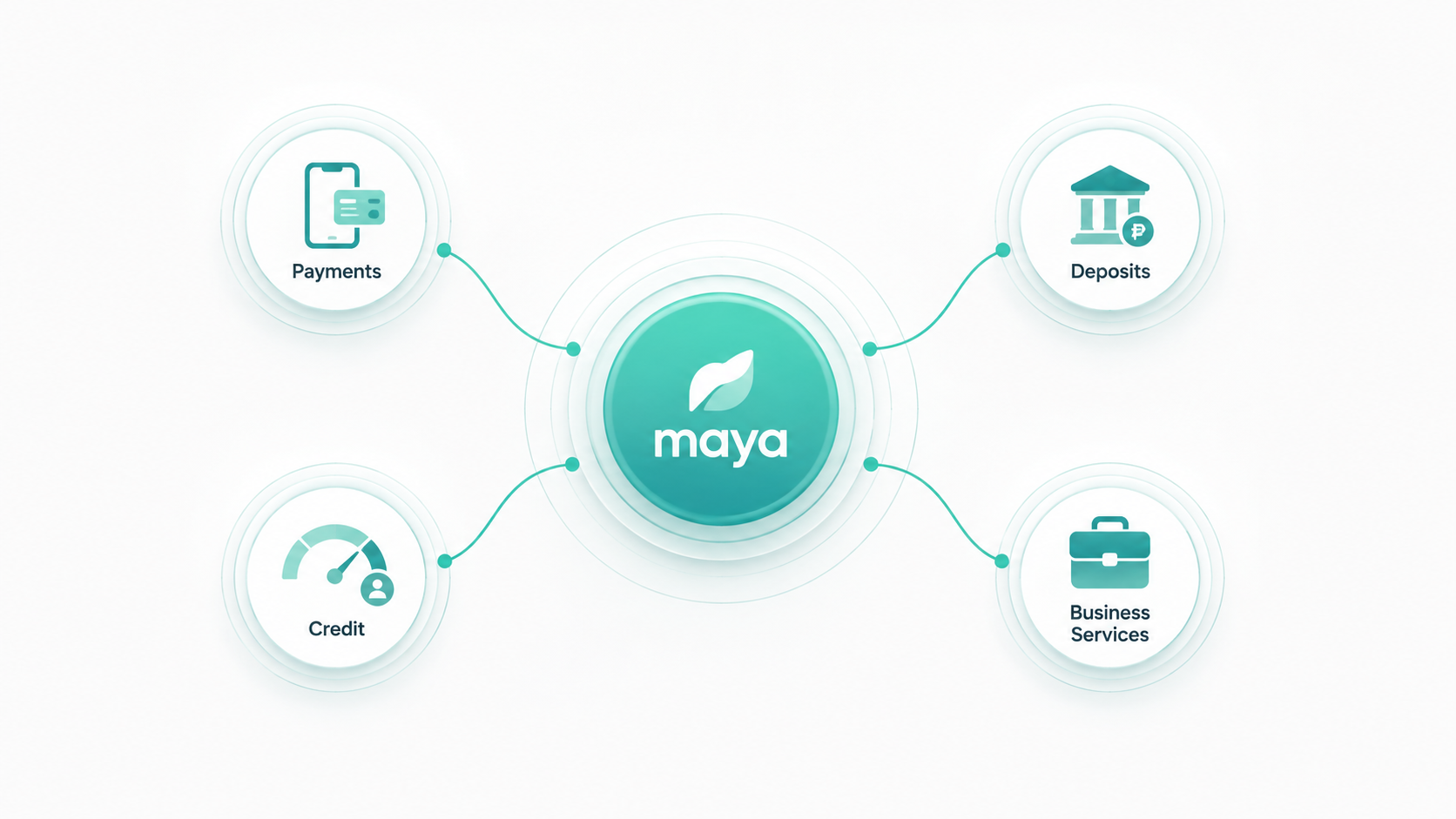
Maya operates both a digital payments business and a licensed bank, a combination that sets it apart from pure-play wallets. The payments side handles consumer and merchant transactions, while the banking licence lets it take deposits and lend, turning a transactional app into a balance-sheet business with multiple revenue lines. That integrated model is the asset behind the IPO story: investors are not being asked to back a single product, but a platform that captures a user at the point of payment and then deepens the relationship into savings, credit, and business services. The Philippines, with a large, young, underbanked population and high mobile penetration, is the demand pool that makes the model legible to a US listing audience. More than half of Filipino adults remained outside the formal banking system at the start of the decade, a gap a mobile-first platform can close far faster than a branch network ever could, and Maya's bet is that capturing that gap at the payments layer converts into deposits and loans over time. Maya is the brand that sits at the centre of both the payments app and the bank, which is why the IPO is pitched as one platform rather than two businesses.
The scale matters. A platform that has reached meaningful adoption across a market of over 110 million people is not a pilot, and the deposit base from the banking arm gives it a funding advantage unlicensed competitors lack. The combination of reach and a balance sheet is exactly what separates the fintechs that survive a funding winter from the ones that do not, and Maya's structure is why it can contemplate a public raise while leaner rivals retrench. The parent company, Voyager Innovations, has drawn backing from global investors including KKR and Tencent, and reporting from YugaTech first surfaced the IPO exploration via Bloomberg.
Why a US IPO
A US listing gives Maya access to the deepest pool of global capital and a valuation framework that rewards growth and platform breadth, even if it also brings disclosure and compliance obligations a regional exchange would not. For a Southeast Asian fintech with regional ambitions, the New York market is where the largest comparisons live, from Nubank in Latin America to the global payments incumbents, and those comps help tell the growth story in a language international investors already price. The trade-off is scrutiny: US public markets demand the kind of financial transparency some regional markets let issuers soften, and the IPO only works if the books survive that light.
The timing sits on a reopened window. After a long dry spell, fintech IPOs have shown signs of life again, and a $500 million to $1 billion raise would sit in the range institutional investors can absorb without stretching. The size is also a signal: too small and the listing is not worth the compliance cost, too large and it tests demand that may still be fragile. The reported range suggests Maya is aiming for a deal big enough to matter but not so big it overwhelms a recovering market.
- Maya reported to be exploring a US IPO of $500M to $1B
- Platform combines digital payments with a licensed bank
- Philippines market is large, young, and underbanked
- Listing tests global appetite for Southeast Asian fintech
The Southeast Asia fintech context
Maya's move arrives as the region's finquest sector shifts from land-grab to profitability. The era of cheap capital that funded user acquisition at any cost is over, and the survivors are the ones with real balance sheets, real deposits, and real paths to earnings. Maya's banking licence is the differentiator here, because it means the company does not have to rent funding from partner banks or rely solely on payments take-rate to cover its cost of growth. That structural advantage is what makes a US IPO credible rather than aspirational, and it is the point a US investor base will probe hardest during roadshows. Fintech Futures documented Voyager Innovations reaching unicorn status on a $210 million raise, a marker of how far the parent had already come before the IPO talk.
The regional comparison is instructive. Grab and Sea showed Southeast Asian platforms can list in the US and hold a global investor base, but both carried marketplace and commerce baggage fintech pure-plays do not. Maya is closer to the Nubank template: a focused financial-services platform in an emerging market with a clear underbanked tailwind. If the IPO lands well, it resets the regional narrative and gives the next wave of Southeast Asian fintechs a comp to point at, which is how capital-markets momentum actually builds in a region.
The survivors are the ones with real balance sheets, real deposits, and real paths to earnings.
What it means for operators
For regional fintech founders, a successful Maya IPO is a fundraising unlock, because it gives limited partners and later-stage funds a realised comp for Southeast Asian financial platforms and makes the category investable again after years of caution. The flip side is that it raises the bar: if Maya clears the bar, every other regional fintech will be measured against it, and the ones without a balance sheet or a path to profit will find the gap between them and the listed peer harder to bridge. The IPO is not just Maya's event. It is a benchmark for the whole region.
For investors, the question is whether a US listing price captures the Philippines growth story without pricing in the execution and regulatory risk that comes with a dual payments-and-banking model. The banking licence is the moat and the complication at once: it enables deposits and lending, but it also invites central-bank supervision a wallet does not face. The discount or premium the market assigns to that duality will be the real verdict on the debut, and it will be watched across the region as a signal for every fintech weighing the same path.
The bigger picture
Maya's reported IPO plans are a marker of where Southeast Asian fintech has arrived. The sector spent years being measured on user growth that never converted to durable economics, and the market lost patience. The platforms that built balance sheets and deposits, rather than just downloads, are the ones now standing at the front of the capital-markets queue, and Maya is among the clearest examples. A US listing would not just fund the company. It would argue, with a prospectus, that the region's fintech maturation is real and bankable, and that argument is worth more than the raise itself for every founder watching from the sidelines. The risk on the other side is equally real. A weak debut would not just hurt Maya. It would reset the regional comp downward and remind investors that emerging-market fintech carries currency, regulatory, and execution risk a New York listing does not dilute. Either way, the offering becomes the reference point, which is why so much rides on the first print and why the reported range was set conservatively enough to clear rather than boldly enough to stretch.
What to watch next
The metric that matters is the filing. Reporting that a company is exploring an IPO is not a prospectus, and the gap between exploration and a priced deal is where most ambitious raises die. Watch for the confidential draft, the chosen exchange, and the first disclosed financials, because those three data points will tell you more than any headline about whether the $1 billion ceiling is real or aspirational.
For the regional ecosystem, the mere prospect of a Maya listing changes how later-stage capital prices Southeast Asian fintech, because a US comp is worth more than ten local ones when a fund is explaining a position to its own investors. The risk is that the comp also sets a bar the next cohort may not clear, especially the pure-play wallets without a banking licence, who will be measured against a platform that has both. The IPO is therefore both an unlock and a filter, and which effect dominates depends on the debut, not the announcement.
The regional comp race
Maya is not the only Southeast Asian fintech eyeing a US listing. South Korea's Toss is reported to be planning a 2026 US IPO at a valuation above $10 billion, and the two together show that the region's best-capitalised platforms are converging on New York rather than local bourses. The difference is the model: Toss is a broader consumer fintech with a payments and banking tail, while Maya is the more focused Philippines play, and the market will price them as a pair of emerging-market comps even though their home markets differ. A strong Maya print makes the Toss story easier to tell, and a weak one raises the cost of every deal behind it, which is why the regional ecosystem is watching the first filing as a shared event rather than a single company's.
The deeper point is structural. The fintechs reaching the IPO queue are the ones that own a balance sheet, not just a download count, and the market is now pricing that distinction directly. Maya's banking licence is the clearest version of the advantage, because it turns a payments app into a deposit-taking, lending business with a path to profit that a wallet cannot claim. The next wave of Southeast Asian fintech will be measured against whether it has the same structure, and the IPO is the moment that measurement becomes public, with a prospectus as the scorecard and global investors as the graders.
Is Maya definitely going public?
Not yet. Reporting says the company is exploring a US IPO that could raise $500 million to $1 billion, but an exploration is not a filed deal, and terms can change with market conditions.
Why does the banking licence matter for the IPO?
It lets Maya take deposits and lend, giving it a funding base and multiple revenue lines a payments-only wallet lacks, which strengthens the path to profitability public investors require.